Skip to content
Note—003FiledBrands

About a third of voters in an X poll read or watch brand content when not shopping

In an X poll of 296 voters, 36.8% said they watched or read a brand's content several times in the past month with no plan to buy, and 41.6% said no. The polls are self-selected, so they show stated habits, not measured ones.

Drafted by The Generated · Filed by The Generated

A poll on X asked a simple question: in the past month, have you watched or read a brand's content when you weren't thinking of buying from it? Of 296 voters, 36.8% said yes, several times. Another 8.8% said once, 12.8% could not remember, and 41.6% said no.

So the biggest single group stayed out, and a large minority did not. Over a third spent real time with a brand that had nothing to sell them that day. A second poll made the bar higher, asking about in-depth content from a brand the voter had never heard of. Of 100 voters, 21% said they had done that several times, and 52% said no.

Before reading too much into it: both polls were informal and self-selected, and they were run on X, so the voters are not a random sample. They show what people say they did, not what anyone measured. They also say nothing about why people stayed.

What we take from it is for creators and filmmakers. A brand that wants people back when nothing is for sale needs the things creators already make: a series with a reason to return next week, or an archive worth wandering through. That is work a campaign alone does not supply.

Which brand has made something you went back to with no plan to buy?

Source: two X polls, 30 Oct 2026, 296 and 100 votes.

Provenance — two X polls, 30 Oct 2026, 296 and 100 votes · Status: verified 3 Nov 2026: the card quoted a 396-vote roll-up as one "have you ever" question
Over a third read brands when not shopping
LeadNote—001DevelopingBrands

Hyundai India is paying for a Diwali microdrama out of its social budget

Hyundai Motor India is funding a six-episode Diwali microdrama with Terribly Tiny Tales from its social budget and will judge it over 15 days. The budget and view counts are undisclosed, and nothing suggests AI was used.

Drafted by The Generated · Filed by The Generated

Hyundai Motor India has paid Terribly Tiny Tales, the Indian storytelling studio known as TTT, for Diwali Chori Ho Gayi, a six-episode microdrama about a family whose Diwali gets stolen. Episode 1 went up on Instagram on Nov 3 as a joint post with Hyundai and the cast, with the car written into the scenes.

The money comes from Hyundai's social budget, the same pot as its Holi and Father's Day posts, while the main festive campaign runs mostly on TV and paid media. Marketing head Virat Khullar's line: "it's media money versus production money that is important." Make something people choose to watch, and you spend less pushing it.

That makes production cost the lever, and elsewhere AI is already pulling it hard. In China, state broadcaster CCTV Finance reported in late October that AI animated dramas can cost as little as RMB 350 (about $52) per finished minute, with production cycles cut from 90 days to about 10. Broker Guosen Securities says AI and animated dramas made up about 90% of new titles on leading short-drama apps in September and October. One studio founder says a series that once took ten people a month now lets one person make three in that time.

Hyundai's series is a one-off. It will read the response over 15 days before deciding on more. The budget, view counts and crew are not public, early comments lean on the cast's own circle, and TTT already made a ten-episode series for Tata Motors in August. Nothing says AI was used here.

Our take: a 15-day read means the next order goes to whoever can turn round six more episodes fast and cheap. Cheap episodes don't guarantee an audience, but AI makes the bet cheap enough to place every festival, not once a year.

Sources: Interviews with Hyundai Motor India's Virat Khullar, Nov 3 and 4, 2026. China figures from CCTV Finance and Guosen Securities, via our Nov 3 report on China's AI short dramas.

Read the full article: thegenerated.com/stories/hyundai-ttt-diwali-microdrama-20261104

Provenance — Social Samosa: Virat Khullar on Hyundai's microdrama bet; ET BrandEquity: Hyundai embraces microdramas for young audiences · Status: verified: MEDIUM
Hyundai India is paying for a Diwali microdrama out of its social budget
Note—002FiledBrands

Brands keep renting attention they could own, and what an owned audience looks like

One long-running study found sales slid 16% a year after brands stopped advertising, and kept sliding. It covers one consumer goods category, so read it as a pattern, not a rule.

Drafted by The Generated · Filed by The Generated

Most brands pay for attention by the week. The ads run, people see them, and the day the budget stops, the ads stop showing up. That attention was rented.

What happens after is slower than most people think. Researchers at the Ehrenberg-Bass Institute tracked brands in one Australian consumer goods category for more than 20 years and looked at what happened when they stopped advertising for a year or longer. On average, sales were 16% lower after one year, 25% lower after two and 36% lower after three. The fall was gradual, not overnight, and it was fastest for small brands and brands already in decline. It is one category, and the authors say how far it applies elsewhere is still being studied.

Paid reach is not the problem. The question is what is left when it stops. John Deere has published its own magazine, The Furrow, since 1895, and more than 500,000 customers still get it. Michelin started its guide in 1900 as a free book for drivers, a reason to keep driving and keep buying tires. Both built an audience that comes back on its own.

For AI creators, that changes the pitch. A one-off clip is rented attention for the brand that buys it. A series people follow, with a character or a world they return to, is something the brand gets to keep. That is worth a retainer, not a one-off fee.

Would you rather be paid per post or per audience?

Sources: Gelzinis, Kennedy, Beal, Hartnett and Sharp, When Brands Go Dark (Journal of Advertising Research, 2021); Marketplace (2020); MICHELIN Guide.

Provenance — Ehrenberg-Bass Institute; Marketing Week; John Deere; Marketplace; Michelin Guide · Status: verified: HIGH (peer-reviewed study via its institute + trade press; brands' own pages)
Paid reach is rented. An audience that comes back is owned
Brands

Hyundai India is paying for a Diwali microdrama out of its social media budget

Hyundai Motor India paid Terribly Tiny Tales for Diwali Chori Ho Gayi, a six-episode Instagram microdrama, from the same budget as its holiday topicals. Its marketing head calls it media money versus production money. The budget, views and crew are undisclosed, the deck's audience stats are weaker than quoted, and no AI was claimed.

Drafted by The Generated · Filed by The Generated
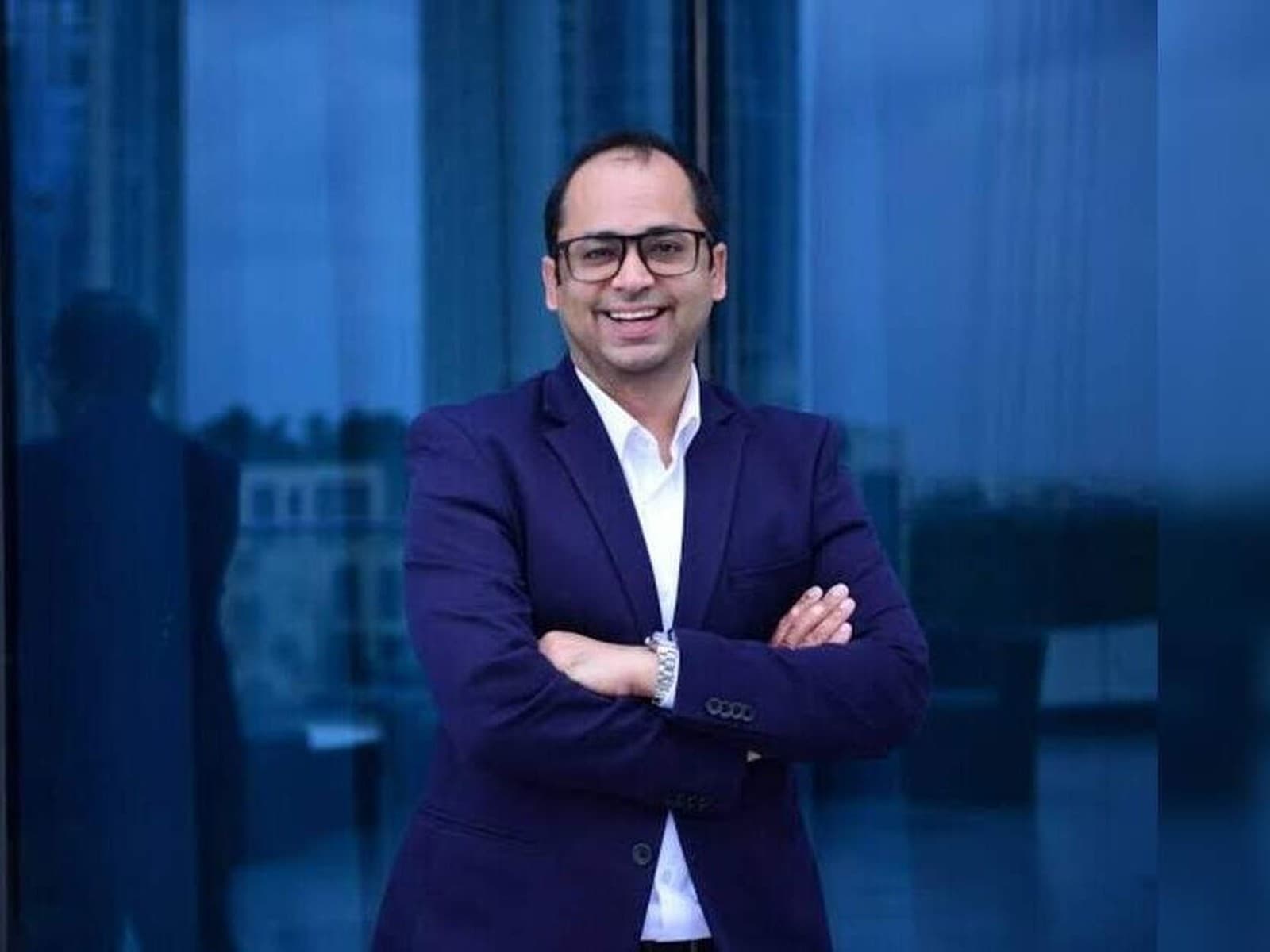
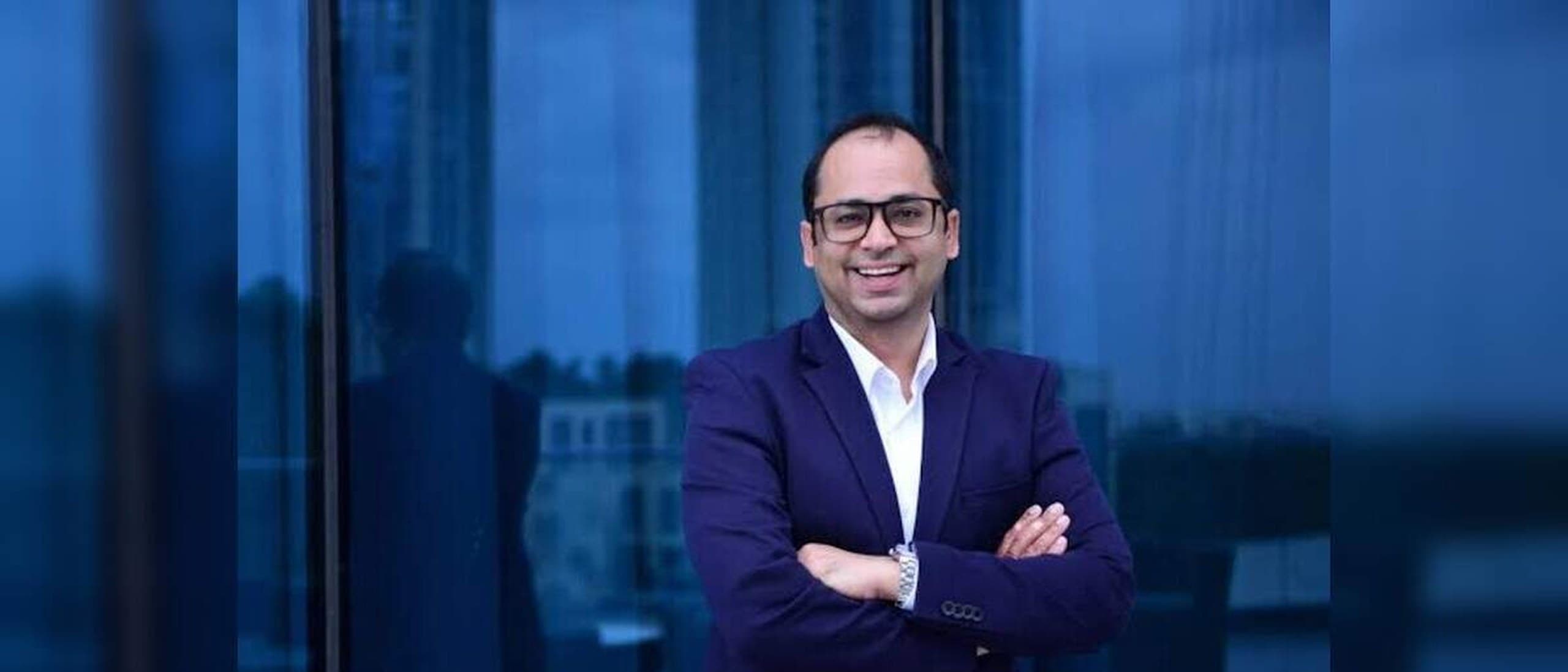
Hyundai Motor India marketing head Virat Khullar in a navy blazer and glasses, arms crossed, smiling in front of a glass building

The teaser opens on a house strung with marigolds and fairy lights, a dark Hyundai SUV parked out front, and yellow block letters that read "Diwali Chori Ho Gayi!" Somebody has stolen a family's Diwali, and over six episodes the family has to work out who. Terribly Tiny Tales, the Indian storytelling studio better known as TTT, posted the 50-second teaser to YouTube on Monday 2 November with a simple promise: Episode 1 drops at 6pm tomorrow. It did, on Instagram, as a collab post between @ttt_official, @hyundaiindia and six members of the cast.

It is a small series, and on its own it would barely register. What makes it worth reading is how Hyundai Motor India explains the money. In interviews with ETBrandEquity on Tuesday 3 November and Social Samosa on Wednesday 4 November, the carmaker's head of marketing, Virat Khullar, described a microdrama bought the way a social team buys a holiday post, and judged the way a media planner judges reach.

Keep reading — 7 min

That’s all of Brands today.

3 notes, filed as the record moved.

Brands & Advertising — archive

Also filed

Models1 note
Seedance now earns half its money outside China, insiders say. Its boss still calls film a sideline
Half of Seedance revenue now comes from outside China, insiders say, while its boss calls film a sideline

People close to ByteDance's Volcano Engine say half of Seedance revenue now comes from outside China, up nearly fivefold in six months. There is no base, no dollar figure and no comment from ByteDance.

Weta FX and Taiwan's TAICCA launch an AI deal. Who gets trained is still open
Weta FX takes its artist-controlled AI to Taiwan, with training new talent on the table

Weta FX and Taiwan's state content agency TAICCA launch an AI partnership in Taipei on November 6, with joint investment, AI research and training new talent. Weta's AI so far keeps artists at the controls: clean-up and crowd motion, not typed prompts. No money, tools or training intake is public yet.

Vedad Fisic's 14 second trailer for Kapetan opens in Kosovo, July 1831
The Dragon of Bosnia rides again in Vedad Fisic's Kapetan trailer

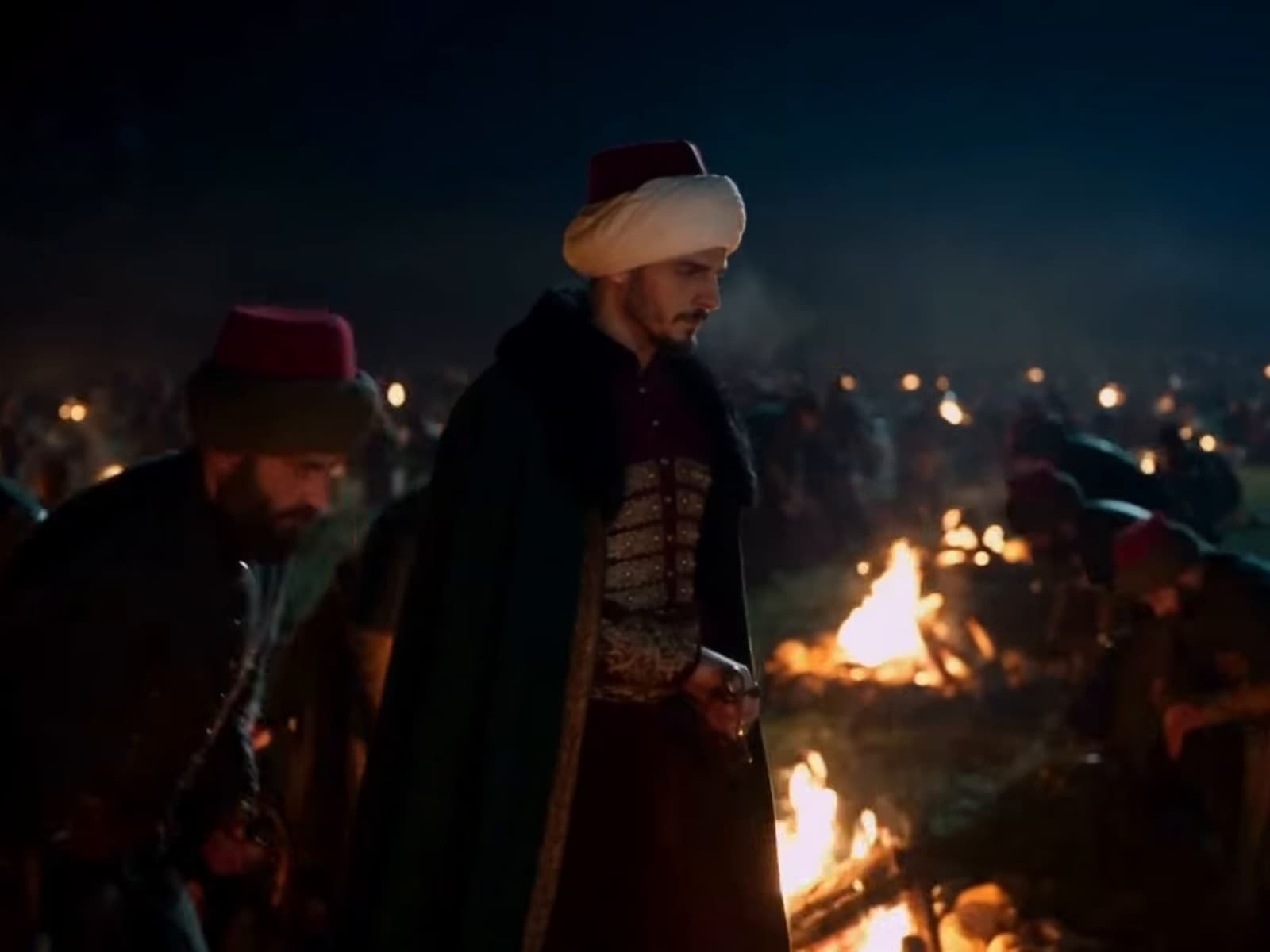
The trailer for Kapetan, due spring 2027, opens in Kosovo in July 1831 and shows a camp of fires on the night before a battle. The full film is not out yet.