Skip to content
Note—003FiledFilm

AI film's money comes from tools and ads, while China's first AI feature in cinemas took about $250,000

Higgsfield's $1 billion is a run rate it says leans on brands making ads, while Sanxingdui: Future Past took about $250,000 in Chinese cinemas. Paying viewers are the smallest line so far, though one film is one data point.

Drafted by The Generated · Filed by The Generated

Higgsfield, which sells AI video tools, says it passed a $1 billion run rate in September. China's first AI feature in cinemas, Sanxingdui: Future Past, took about RMB 1.7 million (about $250,000) in tickets by early November, on a cost its producer puts above RMB 10 million.

Those two numbers measure different things. Higgsfield's run rate is its latest four weeks of sales multiplied by 13, and the company says brands making ads are a major source of its demand. A box office gross is tickets, the only figure here that is audiences paying for an AI film. Runway reported $200 million in annual recurring revenue for September, and co-CEO Anastasis Germanidis expects $450 million by year end, which is a forecast. No tool company says how much of its revenue comes from film or series work.

Our reader poll on X asked where the real money in AI film is. By Monday, 97 people had voted: selling the tools 35%, ads and brand work 26%, microdramas 25%, making features 14%. It stays open until November 10 and we promoted it with paid posts, so read it as a mood rather than a measure. Its top two answers are largely the same money, brand budgets moving through software.

Our take: brand budgets pay working creators and fund the tools everyone uses. Until an AI feature sells tickets in numbers, though, "AI film revenue" mostly means ads made with film tools.

Full story, with the microdrama numbers, via the

Source: Higgsfield, Sep 29, 2026; Maoyan via Caijing and 21st Century Business Herald; our X poll, read Nov 9, 2026.

Read the full article: thegenerated.com/stories/ai-film-money-map-tools-ads-box-office-20261109

Provenance — Higgsfield, Sep 29, 2026; Maoyan via Caijing and 21st Century Business Herald; our X poll, read Nov 9, 2026 · Status: verified 9 Nov 2026: built from our published article
AI film's money comes from tools and ads, and paying viewers are the smallest line
LeadNote—001DevelopingFilm

China's regulator backs live-action microdramas and tells AI series to hold their numbers steady

China's broadcast regulator restated on Nov 5 that it will fund and promote live-action microdramas, require human review of everything that airs and crack down on unlicensed faces and voices in AI series. No new written rules or dates came with it.

Drafted by The Generated · Filed by The Generated

China's broadcast regulator says it will put money, feed placement and awards behind live-action microdramas, while AI-made series are told to hold their numbers steady and raise their quality. For actors watching AI series take their work, it is backing; for anyone making AI drama at volume, it is a warning that output alone will stop paying.

An official of the National Radio and Television Administration restated the line, "support live-action series, regulate AI series", at a microdrama forum in Beijing on Nov 5. Platforms must now enforce a rule that everything is reviewed before it airs, all of it by people, and must fix feed designs built to keep viewers hooked. The regulator also promised tougher action on AI copycat rewrites, pirated remakes and the use of someone's face or voice without permission. The same day, two industry associations published a pledge on protecting performers' likeness and voice rights in AI microdramas.

The context is scale. AI-made series were more than 90 percent of the 430,000 microdramas China released from January to August, Xinhua reported in September, which is 13 times the total for all of 2025. Global Times spoke to Yin Jiaxuan, 25, a microdrama actor now taking more theme park and live work as filming jobs dry up; he says AI is only part of the cause, alongside falling investment and platform changes, and that he would license his own likeness to AI companies.

This is not a ban. In September the same regulator called AI useful for cutting costs and said it wants AI to strengthen microdrama exports. No new written rules or dates came with the Nov 5 restatement, and how feed support will be weighted is still unpublished.

Our take: reach in China is starting to depend on proof that a person checked the work and that every face and voice in it was licensed. AI series built for volume rather than for those checks are the ones that lose.

Source: NRTA and Xinhua, Nov 5, 2026; Global Times, Nov 8, 2026; Xinhua, Sept 17, 2026.

Provenance — Xinhua (Chinese): NRTA reaffirms support for live-action, regulation of AI microdramas; NRTA: 2026 microdrama forum readout; Global Times: China reiterates support for live-action micro-dramas, vows to regulate AI productions; Xinhua English, 17 Sep: China backs live-action dramas as AI-made micro-d · Status: verified: HIGH (Xinhua + NRTA official readout + Global Times)
China's regulator backs live-action microdramas and reins in AI ones
Note—002DevelopingFilm

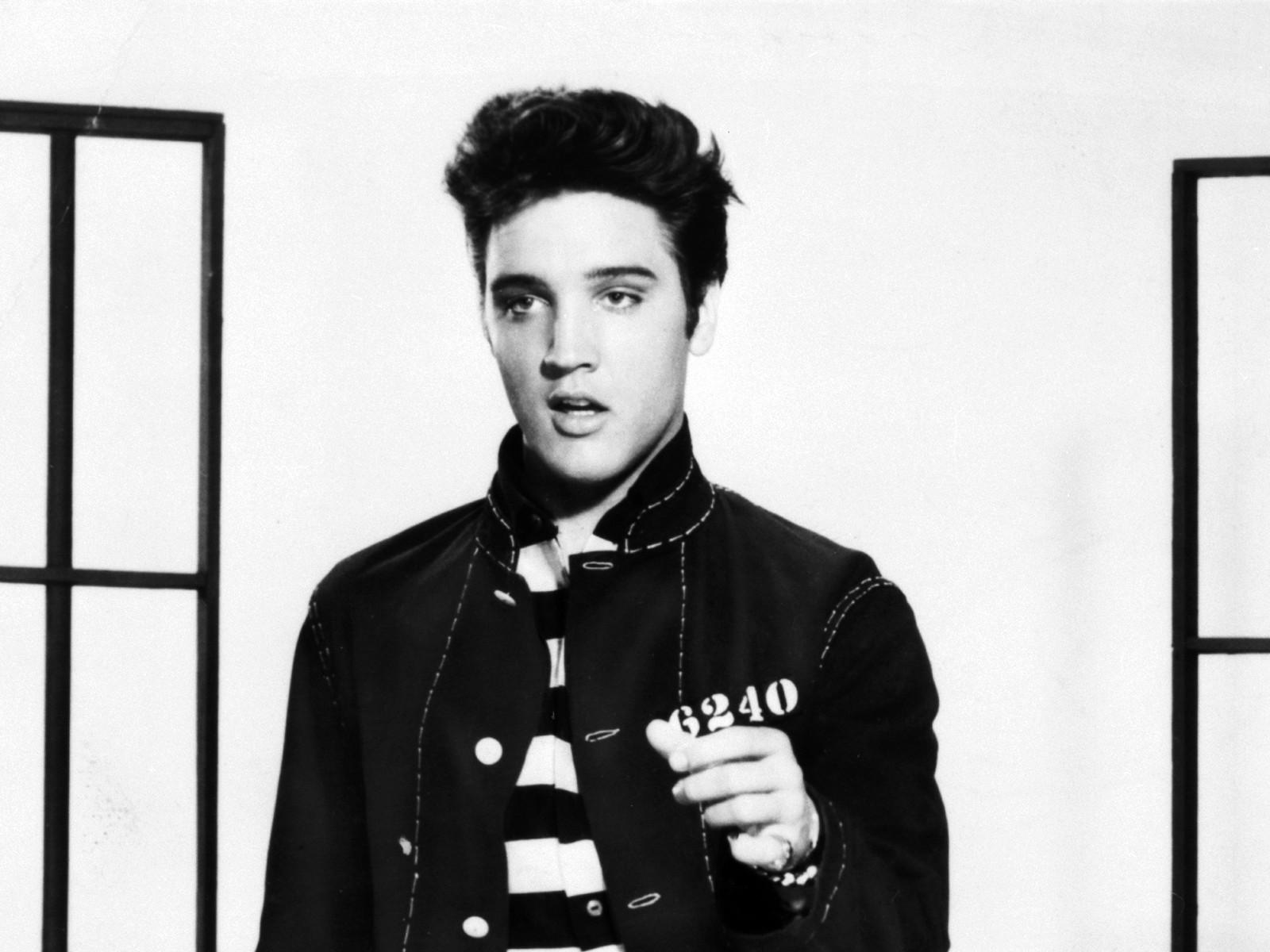
Elvis' rights holders sue Suno, saying a blocked name is no defense if the voice sounds like him

Elvis Presley Enterprises sued Suno under Tennessee's ELVIS Act, which judges a voice by how it sounds, not what was typed. Eminem's publisher sued the same day over 269 songs. Nothing has been decided.

Drafted by The Generated · Filed by The Generated

Suno says it blocks requests for specific artists. Elvis' rights holders say that misses the point, because under Tennessee's ELVIS Act the test is whether a voice sounds like him, not whether anyone typed his name, and creators who score films with generated music are caught in the middle.

Elvis Presley Enterprises and other Presley rights holders sued Suno on Friday, November 6, in federal court in San Francisco. Their complaint says a test on October 7 used no style request at all, only a lyric spelling out his name letter by letter, and still produced two tracks it says carry Elvis' voice. It also says one Elvis-sounding track had more than 125,000 plays when the suit was filed.

The same lawyers filed a second suit that day for Eminem's publisher, Eight Mile Style, which owns his songs and lyrics. That one is about training, not his voice: it says Suno copied 269 Eminem works to build its model. Eminem himself is not a party.

The limits matter. The claim that typing Elvis' name gets his voice is pleaded only on information and belief, the dollar figures are maximum asks, and nothing has been decided. Suno told The Verge it does not allow prompts for specific artists' names and songs.

Our take: a name filter was always a thin defense for a model that learned what famous voices sound like. A clear answer on voices is what lets creators use generated music with confidence.

Source: complaints in Elvis Presley Enterprises v. Suno and Eight Mile Style v. Suno, N.D. Cal., Nov 6, 2026; Suno statement to The Verge, Nov 8, 2026.

Read the full article: thegenerated.com/stories/elvis-eminem-suno-lawsuits-20261109

Provenance — Variety: Elvis music owners, Eminem publisher file new lawsuits against Suno; The Verge: Elvis and Eminem rights holders are suing Suno; CourtListener: Elvis Presley Enterprises v. Suno docket · Status: verified: HIGH (Variety + The Verge + court dockets)
Elvis' rights holders sue Suno, saying a blocked name is no defense if it sounds like him
Film

Disney picks Adobe for AI, and its characters stay in private models

Disney named Adobe its Official AI Innovation Partner and will get private Firefly Foundry models trained on its characters, environments and styles. The parks tool was announced in June, Disney's quote came from its brand partnerships chief, and no value, term or film title was disclosed.

Drafted by The Generated · Filed by The Generated
Headshot of Becca Vodnoy, senior vice president of Corporate Alliances at The Walt Disney Company, smiling against a light gray background

Disney named Adobe its Official AI Innovation Partner on Monday 9 November, in a multi-year alliance announced alongside Adobe MAX. Adobe will build private Firefly Foundry models trained on Disney characters, environments and visual styles, and gives Disney early access to Firefly, Premiere and Photoshop. Neither company disclosed a value, a term or a film title.

The rule this sets is plain: at Disney, generative AI gets to touch the characters only inside models the studio owns, while the company keeps suing tools that trained on its films without permission. Nothing here opens Disney IP to independent creators. What most coverage missed is who signed it. Disney's quote comes from its head of Corporate Alliances, the brand partnership team, and the deal has Adobe growing its presence across Disney's media platforms. It reads as much like a sponsorship as a technology choice.

Keep reading — 5 min

That’s all of Film today.

3 notes, filed as the record moved.

Hollywood & Film — archive

Also filed

Models2 notes
Higgsfield's one shot dinosaur film ran on a 448 word brief
Higgsfield's one prompt dinosaur documentary ran on a 448 word production brief

Higgsfield says Claude made its nearly 10 minute dinosaur documentary in one session with no outside editing. The prompt it published is a full production brief, and it has not said how many shots were redone or whether anyone reviewed the cut.

Microdrama studios say the hook, not the shoot, keeps a vertical series alive
Microdrama studios say the first 30 seconds decide a vertical series, not the shoot

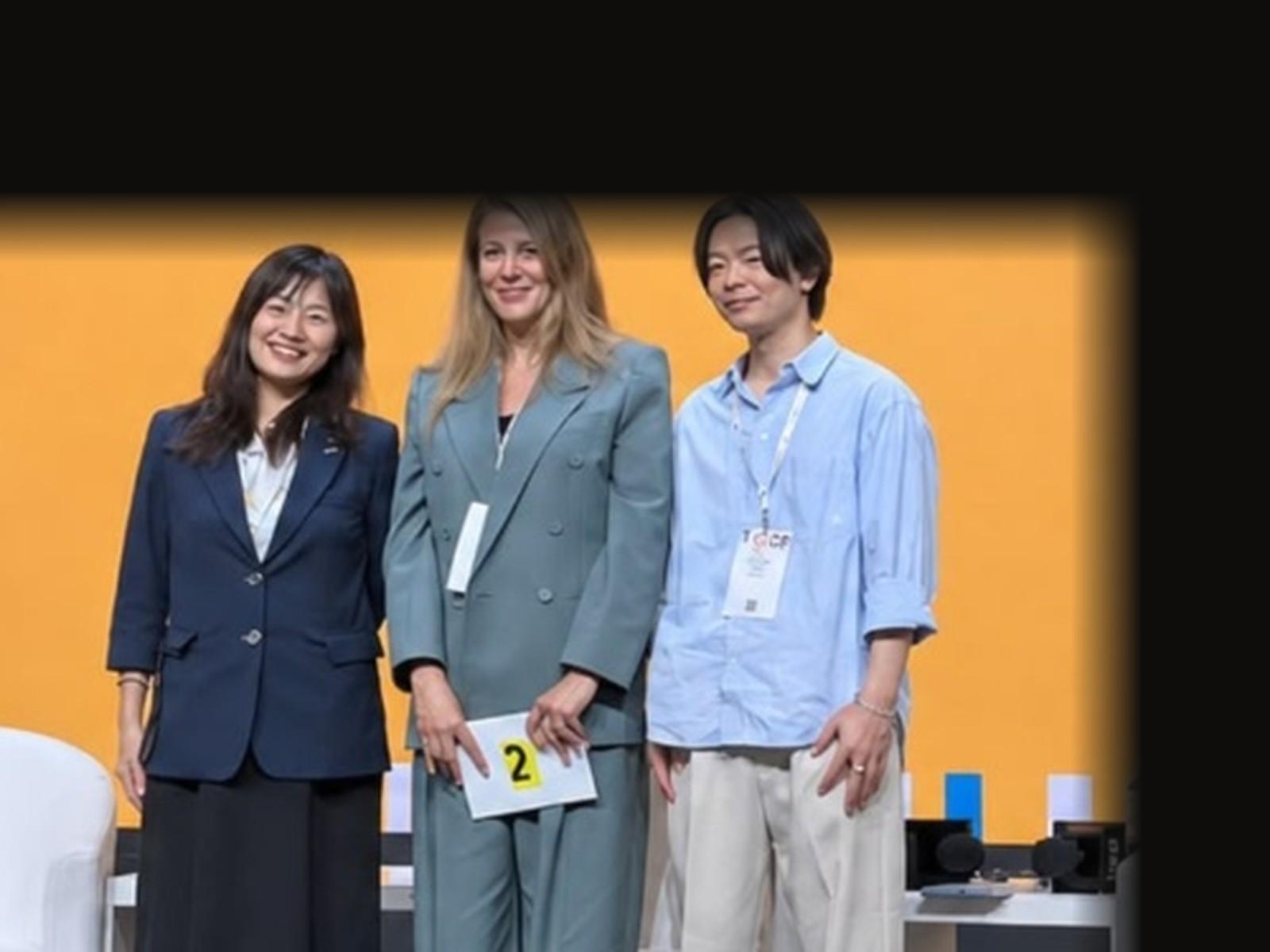
Bump and İki Dakika told TCCF that hooks and villains hold a vertical feed, not production budgets. Both shoot live action, every quote comes from one session report, and Bump's scale figures are its own.

Brands, filmmakers and creators are fighting the same reset
Brands, filmmakers and creators share one problem: starting from zero every time

Campaigns end, films stall at how a shot was made, feeds drift. One clothing brand put a brand, a creator and a director on one six-episode show, though it still existed to sell a collection.