CAA and Ogilvy launch ECHO, letting brands make AI ads from licensed celebrity scans
Ogilvy's ECHO builds ads from scans kept in The CAA Vault, and the star must approve every asset before release. Terry Crews is the only reported talent so far, no brands are named, and the cost savings are the companies' own estimates.
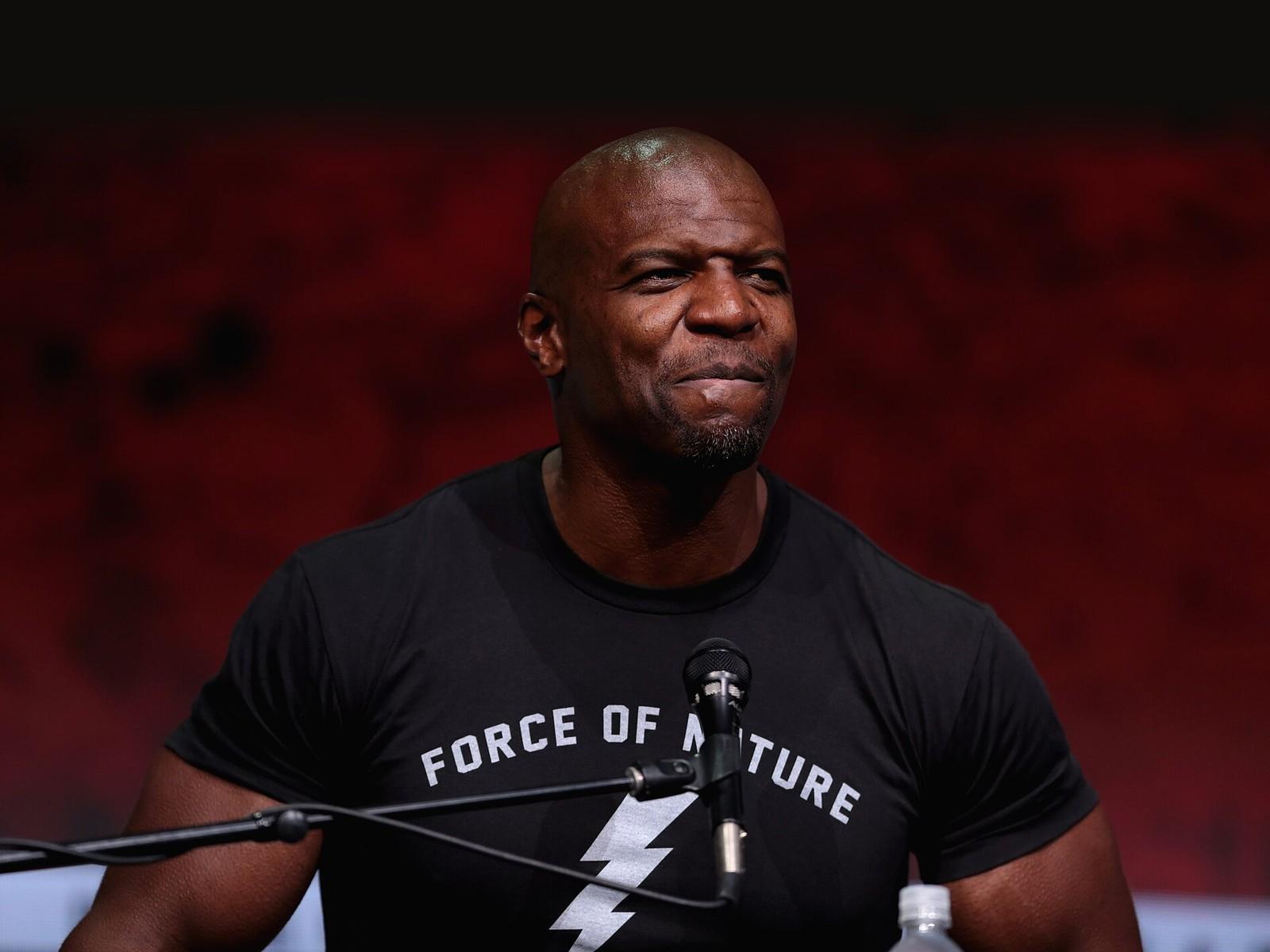
Terry Crews has opted in to appearing in ads he never filmed, and he has to approve every one of them. When so much of what we scroll past can't be traced back to a real person, this system answers with a label on the ad itself: "[Talent Name] Approved | Recreated with AI."
Ogilvy launched the platform, ECHO, on Monday with CAA, under a new partnership between the talent agency and Ogilvy's parent company WPP. It draws on The CAA Vault, a scanning studio built for CAA by Veritone that records a client's face, voice, expressions and walk with 204 cameras. A brand starts from one real shoot, and ECHO turns it into local versions and cuts for each platform. Ogilvy says a shoot that yields 8 to 10 assets becomes roughly 30 to 50, at 65% to 75% less per asset.
The guardrails are the pitch. Automated checks compare every asset against the star's usage terms, written into the contract in a form software can read, and nothing is released until the agent and the talent sign off in an approval portal. Talent choose which brands and markets they appear in. Carol Reed, Ogilvy's chief innovation officer, calls it the "NIL moment" between advertising and entertainment, borrowing the name, image and likeness deals of US college sports.
Most of the roster is still unknown. Crews is the only star reported so far, no brands have been named, and Reed says the first pilots should go live toward the end of the year, starting with social ads. Audiences may be the harder sell: YouGov found 49% of Britons view AI-generated actors in ads negatively.
Our take: the label proves the star said yes, not that the star was there. That is an honest line to draw, and it is the line audiences will judge these ads by.
Source: Ogilvy, Nov 9, 2026; Digiday; The Hollywood Reporter.