Canada's animation industry argues over AI's place at OIAF's Animation Conference
At Ottawa's animation conference, animator Marie-Josée Saint-Pierre drew a line between automating a technical task and outsourcing an artistic decision, but the panel set no policy.
Where does using AI as a tool end and handing over the art begin? Entertainment lawyer Mark Edwards put that question to a panel at TAC, the industry conference of the Ottawa International Animation Festival, on 24 September, as Cartoon Brew reported.
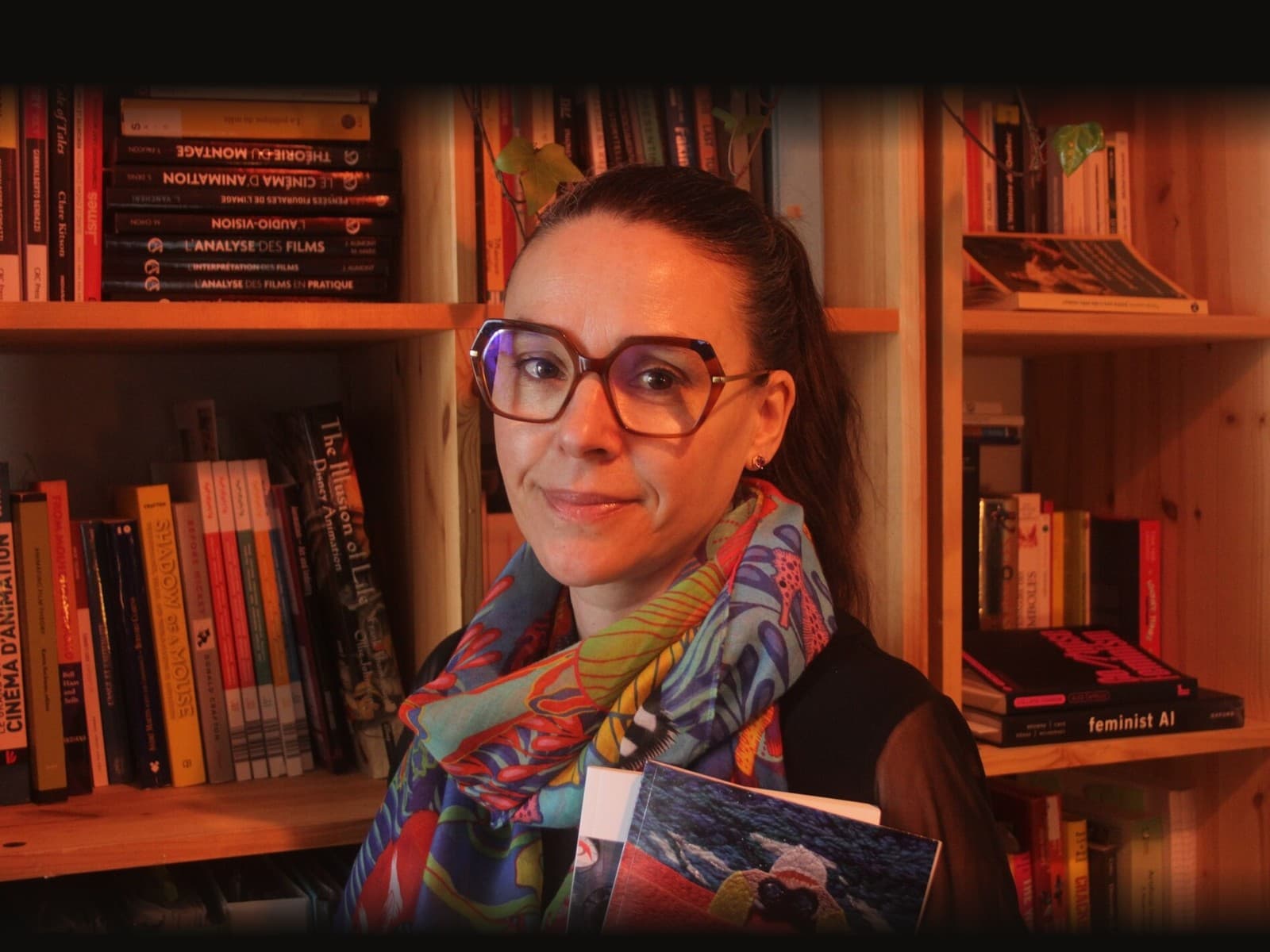
Marie-Josée Saint-Pierre, an animator and associate professor at Université Laval, gave the clearest test of the session: "There's a difference between automating technical operation and outsourcing artistic decision." If the software carries out her intention, it is a tool; if it decides the style or the movement, the authorship has moved with it. She has shifted from large proprietary models to training a model on material whose origins she can trace, and she warned that the big models are getting more expensive while giving less.
Samuel Bischoff, policy director at the Directors Guild of Canada, said the guild looks at transparency and consent: can people tell where AI was used, and did the artist choose to use it? His members range from feeling safe to calling it existential, and the effects differ by job category.
The sharpest worry was the training ground, because junior jobs are where animators learn the craft. As Saint-Pierre put it, "If we wipe that out, who's going to be our senior artist in 10 years?"
In practice, animators working with AI should keep a record of which creative decisions stayed with them, because guilds are asking for transparency and broadcasters and distributors may impose their own restrictions. The panel set no policy, and Bischoff closed on a warning about language: "Art is not content."