China is building AI video like it built EVs: subsidised rent, computing vouchers and state-backed AI film studios
Chinese local AI video subsidies mostly pay after a title is live and scale with views. The biggest named compute voucher is capped near $2,990 a title, and no city publishes how many it has paid.
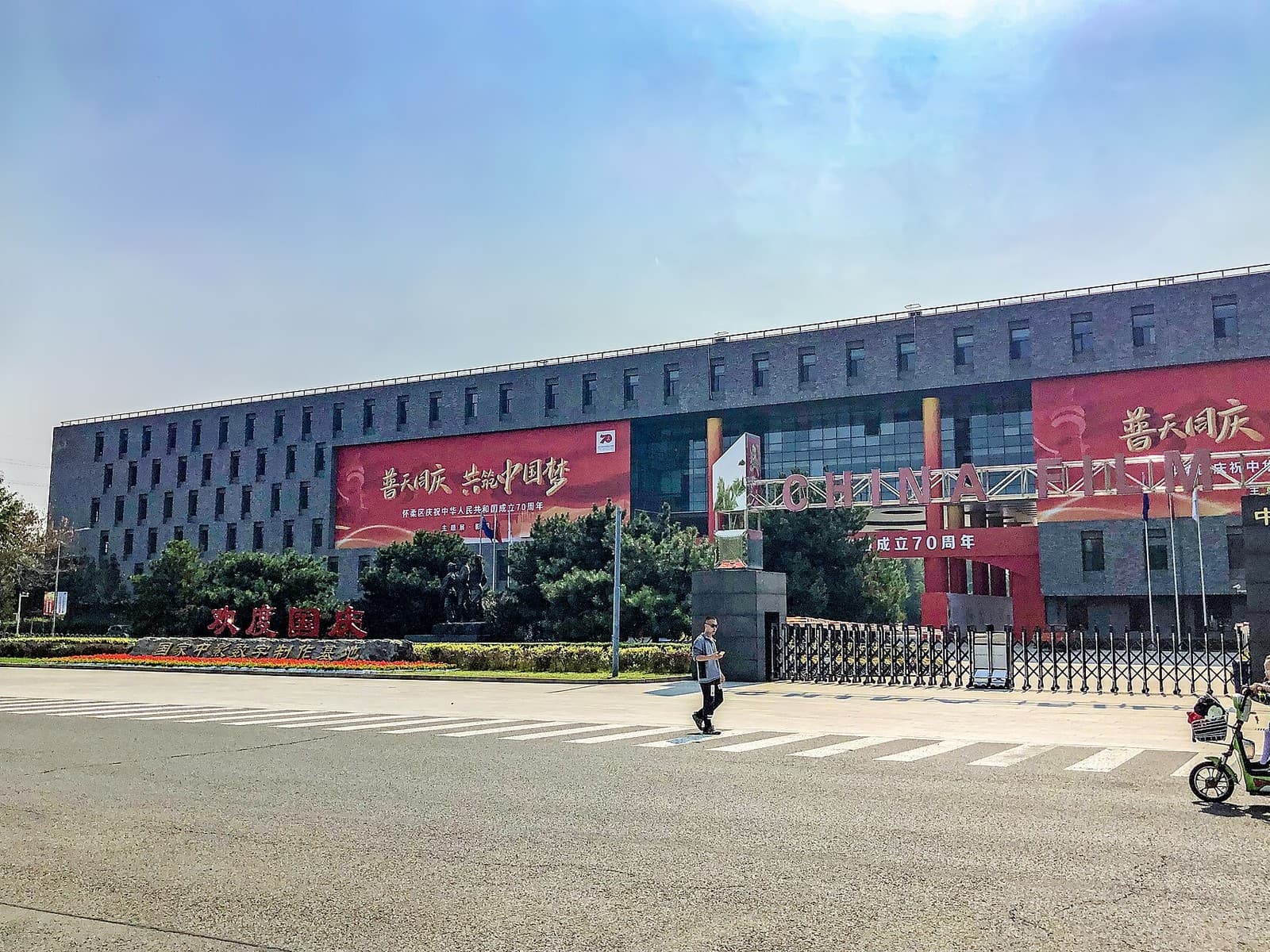
Reuters compared China's push into AI video to the playbook it used for electric vehicles and solar panels. The schemes we checked tell a more useful story, because most of the money is paid for hits. Beijing's Huairou district refunds 30% of a title's compute bill, capped at 20,000 yuan (about $2,990), and only once the title is live and the producer can show receipts. Hangzhou's Shangcheng district offers up to 300,000 yuan a work with play counts as a review criterion, and Guangzhou's Baiyun base gives free rent only to teams that already have a title past 10 million plays.
Volume is not the scarce thing. China's broadcast regulator counted 430,000 micro-dramas released from January to August, more than 90% of them made with AI, while CCTV reported that the going rate for a minute of standard AI drama fell from 5,000 yuan to a few hundred in six months. Upfront help does exist, such as 50 rent-free desks in Haikou, but no city publishes how many vouchers it has actually paid.
In practice, if you make AI film outside China, the benchmark you are priced against is a flood almost nobody watches. Brand-commissioned work there still sells for 10,000 to 20,000 yuan a minute, so story, IP and a paying client are the moat, not compute.
Sources: Reuters (25 Sep), Huairou district rules (14 Apr), the regulator's briefing (17 Sep) and CCTV via Jiemian (6 Sep). Dollar figures are converted at about 6.7 yuan to the dollar.