Skip to content
Note—006DevelopingFilm

Gossip Goblin's AI feature has a sales agent, but the Oscar rule is the harder sell

AGC will show Gods Don't Give Gifts to buyers at the American Film Market before a self-released December 4 US opening. It is not AGC's first AI film, and the Academy has not said whether AI-made motion counts as animation.

Drafted by The Generated · Filed by The Generated

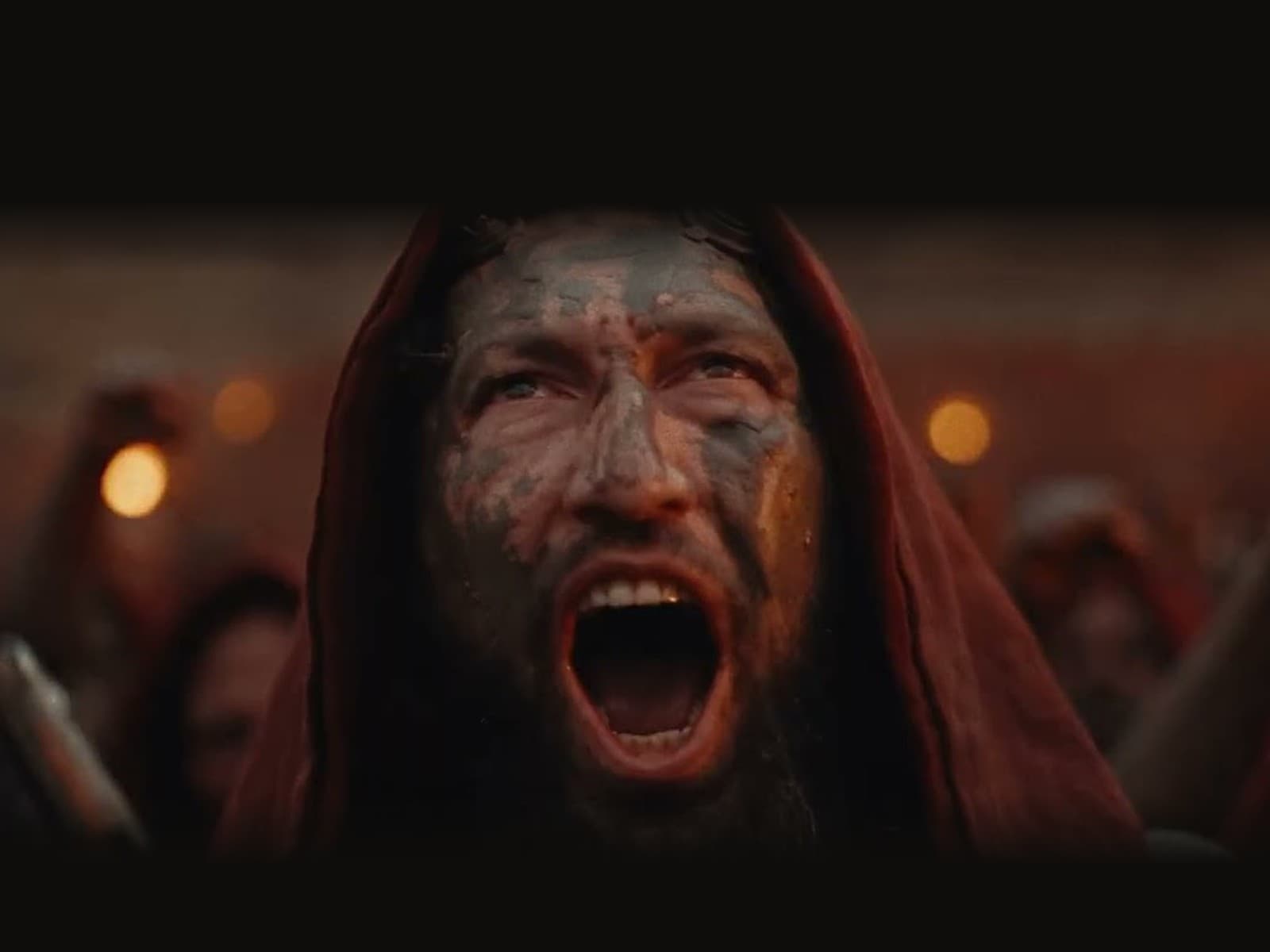
Gods Don't Give Gifts, the AI feature Zack London made as Gossip Goblin, now has a sales agent. AGC International will show it to buyers on the first day of the American Film Market, which runs November 10 to 15, ahead of a US opening on December 4 on under 1,000 screens and a campaign for Best Animated Feature.

It is not the first AI film AGC has taken to market. The company launched world sales on Critterz before Cannes in May. What is new is a feature its makers call fully AI-generated, from a YouTube creator, with a US date. No US distributor has been named: the US release runs through producers Fable and Gossip Goblin, with WME Independent advising.

The harder sell is the Academy. Its rules say AI tools "neither help nor harm" a film's chances, but the animation rule asks for movement "created by any human means." Nobody knows yet whether motion made by an AI video tool counts. Entries close on November 12, the third day of the market, and the film still needs a seven-day run in one of six US cities to qualify.

The audience is what is being sold. The release claims 15 million trailer views across platforms, while the main YouTube upload shows about 2.19 million. London's channel has about 1.57 million subscribers.

Our take: the sale is real and the first is not. The road from YouTube to a cinema screen is open to an AI maker, but it runs through a self-funded release and an Academy rule nobody has tested on AI-made motion.

Source: Deadline, Variety and Screen Daily, Oct 22, 2026, with the Academy's 99th Awards rules.

Read the full article: thegenerated.com/stories/gods-dont-give-gifts-agc-afm-oscar-20261023
Provenance — Deadline; Variety; Screen Daily · Status: verified: HIGH (Deadline + Variety + Screen Daily, all 22 Oct) — LEAD
Gossip Goblin's AI feature has a sales agent. The Oscar rule is the harder sell
LeadNote—001DevelopingFilm

China's AI actress asks $24,900 an ad, and human-acted dramas still get 25 times the views

Fang Taozi's listed rate topped 258,000 yuan an ad before her first campaign was pulled. The squeeze on human actors is bigger and better documented, and AI is only one of its causes.

Drafted by The Generated · Filed by The Generated

Fang Taozi has blunt bangs, two moles and a listed rate card: 168,000 yuan (about $24,900) for an ad under 20 seconds, up to 258,000 yuan for longer ones. She is an AI character, and China Daily itself points out that listed rates are not what anyone actually paid. Her first ad, for the contact lens brand Nutnutlook, went up on Douyin at the end of July and was gone within about a week.

On Wednesday China Daily made her its lead example of AI actors moving from short dramas into advertising, next to a drama student who says work in Hengdian, the country's biggest studio town, is drying up. Both halves are real, but the paper has them the wrong size. The ad is one character and one pulled campaign from August. The squeeze on human actors is far bigger, and AI is only part of the cause.

The ad failed on what the face claimed, not on the face. Colored contacts sit in China's highest risk tier of medical devices, and endorsers may not recommend them. A lawyer told Chinese media that a first person line about wearing them all day could still count as invented testimony.

On set, Sixth Tone found a Zhengzhou producer that cut from as many as 200 dramas a month to about 30 after February, when ByteDance released a cheap AI video tool and its drama app Hongguo pulled guaranteed funding from small live action projects. The actor Luo Haoyu said his monthly income fell from around 20,000 yuan to roughly 5,000. "I felt confused and lost. What am I supposed to do in the future?" he said, in Sixth Tone's translation. Weekly crews in Hengdian fell 24.84% in the first half, by one trade tally, but that is mostly long form costume TV in a budget winter of its own.

The counter number matters most. Over Spring Festival, live action dramas were one fiftieth of AI titles by count and drew 25 times the plays, the China Netcasting Services Association found. Platforms have since pledged billions of yuan for live action.

Our take: the real story is a solo creator who built a character worth a rate card, and live action actors becoming the scarce thing worth paying for.

Source: China Daily, Oct 21, 2026; Sixth Tone, Aug 12 and 24, 2026; China Netcasting Services Association, April 30, 2026.

Read the full article: thegenerated.com/stories/china-ai-actress-rate-card-live-action-winter-20261022

Provenance — China Daily: Job concerns rise as AI-generated actors take roles · Status: single-source, reported
China's AI actress asks $24,900 an ad, and human-acted dramas still get 25 times the views
Note—003DevelopingFilm

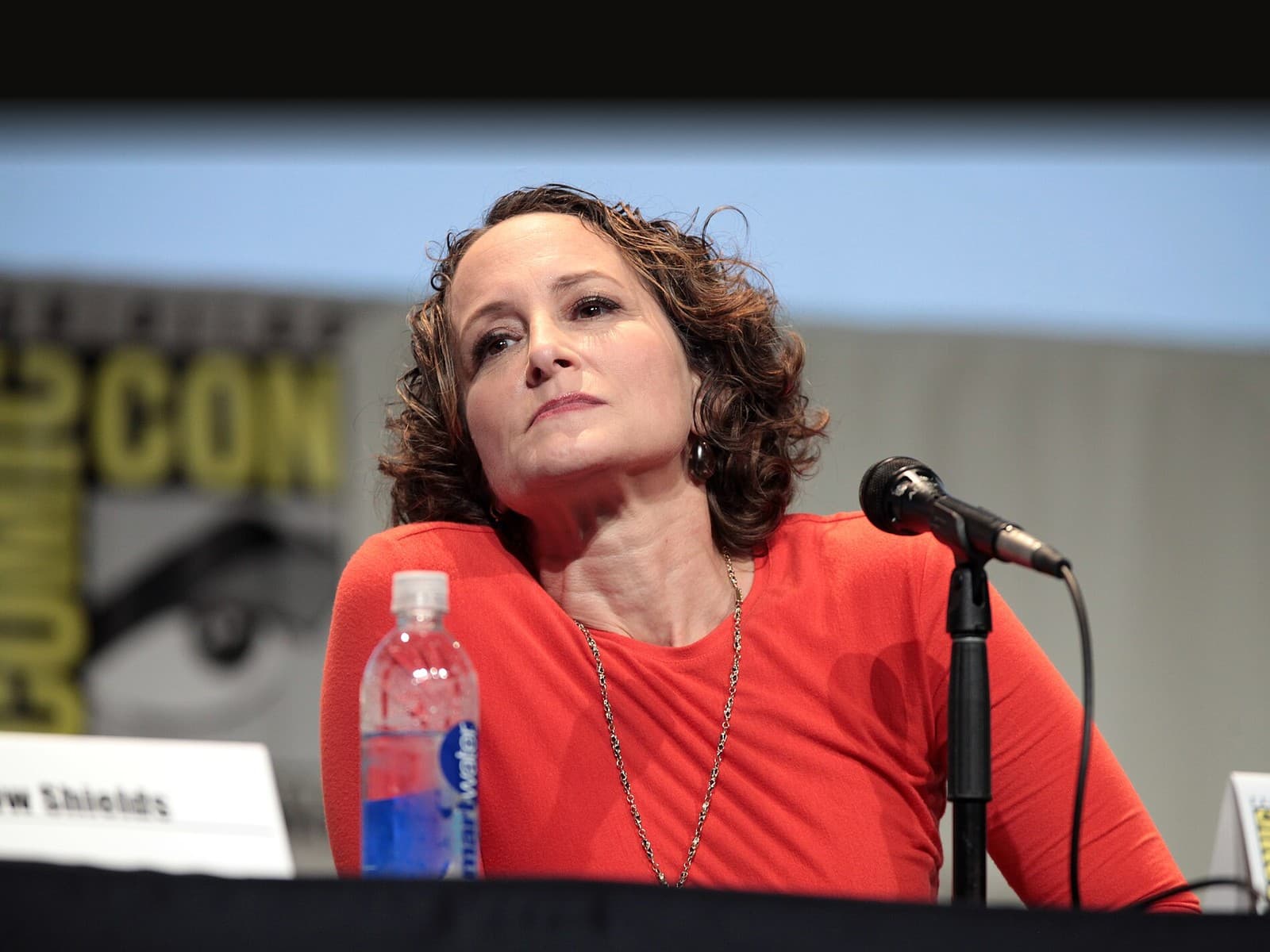
Hunger Games producer says AI copies of the cast's voices tested lines before the actors recorded them

Producer Nina Jacobson says Sunrise on the Reaping tried new dialogue in AI copies of its actors' voices before the real cast recorded the keepers. She did not name the tool or the actors' consent terms.

Drafted by The Generated · Filed by The Generated

Before the cast of The Hunger Games: Sunrise on the Reaping recorded new lines, the filmmakers heard them first in AI copies of the actors' voices. Producer Nina Jacobson described the step on stage at IndieWire's Future of Filmmaking Summit in Los Angeles this week.

The use she described is narrow. When an editor wants to try a replacement line in post, the old fix was a stand-in reading or the editor's own voice. Jacobson said an AI approximation now fills that gap for lines "you might not even keep," and the keepers are recorded by the real cast in a normal dialogue replacement session. "We would still never use it because it's not our actors," she said, adding that the dialogue still comes from the writer: "I don't ask Claude, 'What should they say?'"

That makes the AI voice a temp track, like the borrowed music an editor cuts to before the composer delivers. The difference is that a temp score borrows someone else's work, while this stand-in is built from the cast's own voices.

Jacobson did not say which tool made the voices or what the actors agreed to when their voices were copied, and the report carries no Lionsgate comment. The film opens in theaters on November 20.

Source: Nina Jacobson at IndieWire's Future of Filmmaking Summit, reported by IndieWire, Oct 22, 2026.

Provenance — IndieWire · Status: single-source, reported
The Hunger Games heard its new lines in AI voices before the cast recorded them
Note—004DevelopingFilm

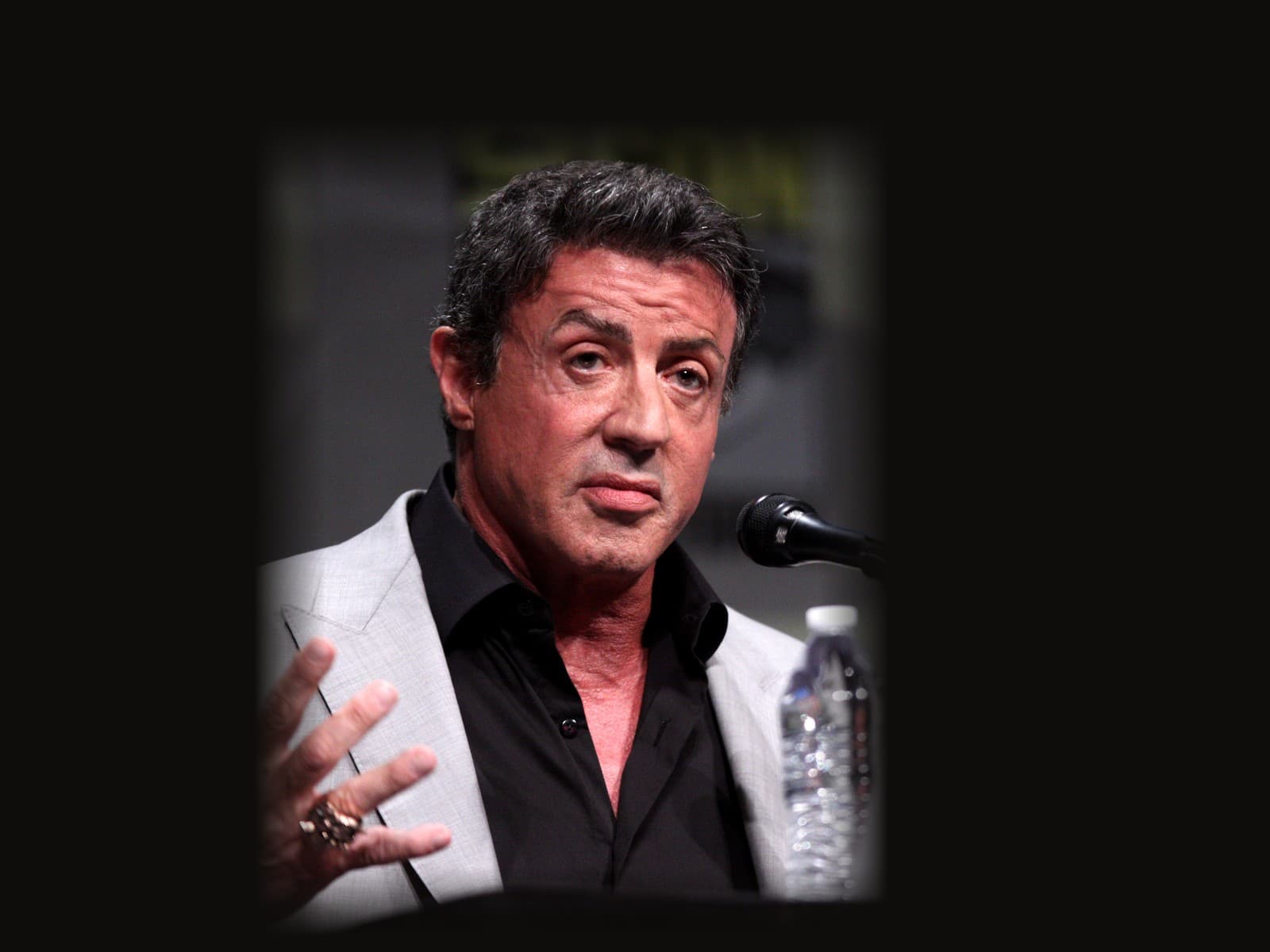
Stallone speaks out on AI: it's here to stay, and he wants to make a half human, half AI film

On a football podcast, Sylvester Stallone said AI is here to stay and that he wants to make a half human, half AI film, even knowing some creatives will push back. He named no project.

Drafted by The Generated · Filed by The Generated

Sylvester Stallone was asked a simple question on this week's Stick to Football, The Overlap's podcast with Gary Neville, Roy Keane, Jill Scott and Ian Wright: did he see himself as a risk-taker? He said yes, and offered an example nobody had asked for. "AI is here to stay," he said, adding that he had wanted to make something "half human, half AI" and that "everyone's going nuts."

Then he conceded the point. He said he would take the risk "even though you get blasted bombastically from the creative community. And that, they're right. They're right. But we can't stop this, this avalanche."

The trades tidied the tape. In our transcript of the episode audio, his line about the future was "maybe 20 Elvises, avatars," and right after "if you don't go with it, you will be trampled by it" he added "I think." He named no project. The closest documented match is the young Rambo made with AI that he said he pitched in September 2025, and the outrage over that pitch is, on the record, his own account.

The market he describes already exists. Stars and estates license voices and likenesses project by project, and on a union film the SAG-AFTRA contract requires separate signed consent before a digital replica is used.

Our take: Stallone isn't announcing a film. He is showing where star money wants to go, and consent and licensing will answer the critics he says are right.

Source: Stick to Football episode audio (The Overlap, Oct 22, 2026), with reporting by Variety, The Hollywood Reporter and Deadline.

Read the full article: thegenerated.com/stories/stallone-ai-half-human-critics-right-20261023

Provenance — Variety; Hollywood Reporter · Status: verified: HIGH (Variety + Hollywood Reporter, 22 Oct; source = 'The Overlap' podcast)
Stallone says the AI critics are right, and he'd do it anyway
Note—005DevelopingFilm

Stage 32's no AI pledge covers the people who read scripts, not the people who write them

Deadline pitched Stage 32's new script Marketplace as a filter against AI slop, but the company's own pledge only promises human readers. Its pages set no rule on AI-written scripts, and a high score on paid notes lists a script automatically.

Drafted by The Generated · Filed by The Generated

Deadline pitched it as a filter against AI slop. Stage 32's new Marketplace, launched this week, lets more than 3,000 film and TV executives browse vetted scripts, download them and ask the writers for meetings. Deadline quoted founder Richard Botto saying the platform has a strict no AI policy.

Stage 32's own launch post and Marketplace pages don't mention AI at all. Its no-AI language sits on its script notes page, and it points at the people doing the reading: "Real people, not AI. Every read and every note comes from a working reader or executive." We found no rule in its terms on AI-written scripts, and nothing on how they would be spotted.

The most direct way in is a paid read. Studio Level Notes start at $249 and Premium Development Notes at $149, and a score of 95 or above on either lists the script automatically. Contest wins and executive requests also qualify. Botto says there is "no paying to be placed," and nobody can buy a listing outright.

Our take: human-made is becoming a selling point in the script business. Stage 32 guarantees that a human reads your script. On its public pages, it does not promise that a human wrote everything on the shelf, and AI-native makers still have no independent signal of who made the work and how.

Source: Deadline (Max Goldbart), Oct 22, 2026, and Stage 32's own launch post, Marketplace and notes pages.

Read the full article: thegenerated.com/stories/stage-32-marketplace-no-ai-pledge-20261023

Provenance — Deadline · Status: single-source, reported
Stage 32's anti-slop script marketplace aims its no-AI pledge at readers, not scripts
Film

Stage 32's anti-slop script marketplace aims its no-AI pledge at readers, not scripts

Stage 32's Marketplace gives more than 3,000 executives a shelf of vetted scripts, and Deadline pitched it as a filter against AI slop. Stage 32's own pages never say that: its no-AI pledge covers the humans who read and score scripts, and a 95 on paid notes lists a project automatically.

Drafted by The Generated · Filed by The Generated
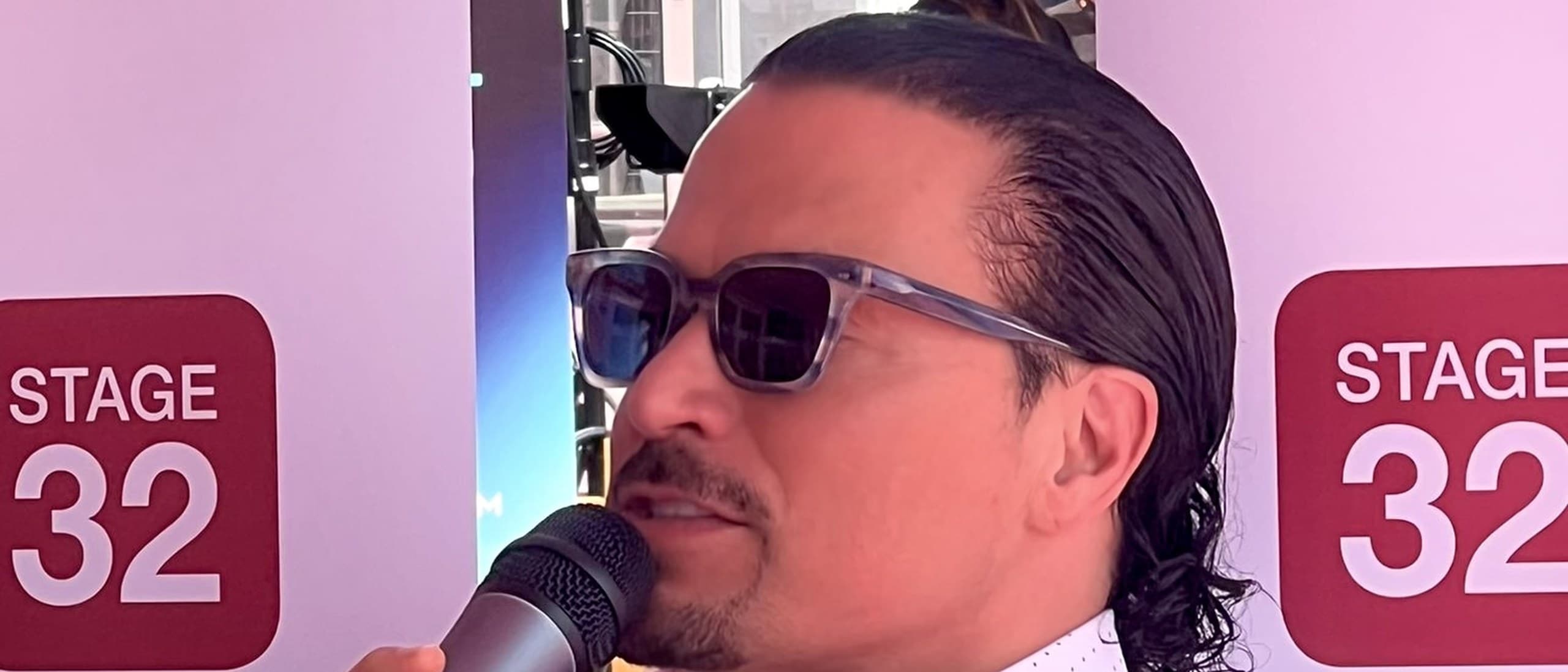
Stage 32 founder Richard Botto speaking into a microphone in front of a Stage 32 backdrop in Cannes

At 23:12 UTC on Tuesday 20 October, a writer posted on X that a script called Prosser's Blade "just rose into the @Stage32 Marketplace, one of the first projects to earn a place at launch." Over the next two days a run of writers posted the same sentence with their own titles swapped in, some of them after an email that opened "Congratulations! Your projects have risen into the Stage 32 marketplace." That was the quiet start of the Stage 32 Marketplace, a members' database where, the company says, more than 3,000 film and TV executives can browse vetted projects, download scripts and ask the writers for meetings.

On Thursday Deadline gave it a sharper pitch. Its exclusive, published at 10am Pacific under the headline "Stage 32 Launches Marketplace To Combat AI Slop," said the platform had launched it "to partly help combat an influx of AI-written projects." Founder Richard "RB" Botto, Deadline wrote, "said the platform has a strict no AI policy and is using the marketplace as one way to combat AI slop." That line is what makes this an AI story. It is also the part Stage 32's own launch materials never mention.

Keep reading — 7 min

That’s all of Film today.

6 notes, filed as the record moved.

Hollywood & Film — archive

Also filed

Models1 note
Runway joins Anthropic's Claude Marketplace
Runway joins Claude Marketplace, so big companies can pay for AI video with their Anthropic commitment

Eligible enterprise customers can now put part of their Anthropic commitment toward Runway's video, image and audio tools. Neither company has said who qualifies, how much can go to Runway or whether Anthropic takes a cut.

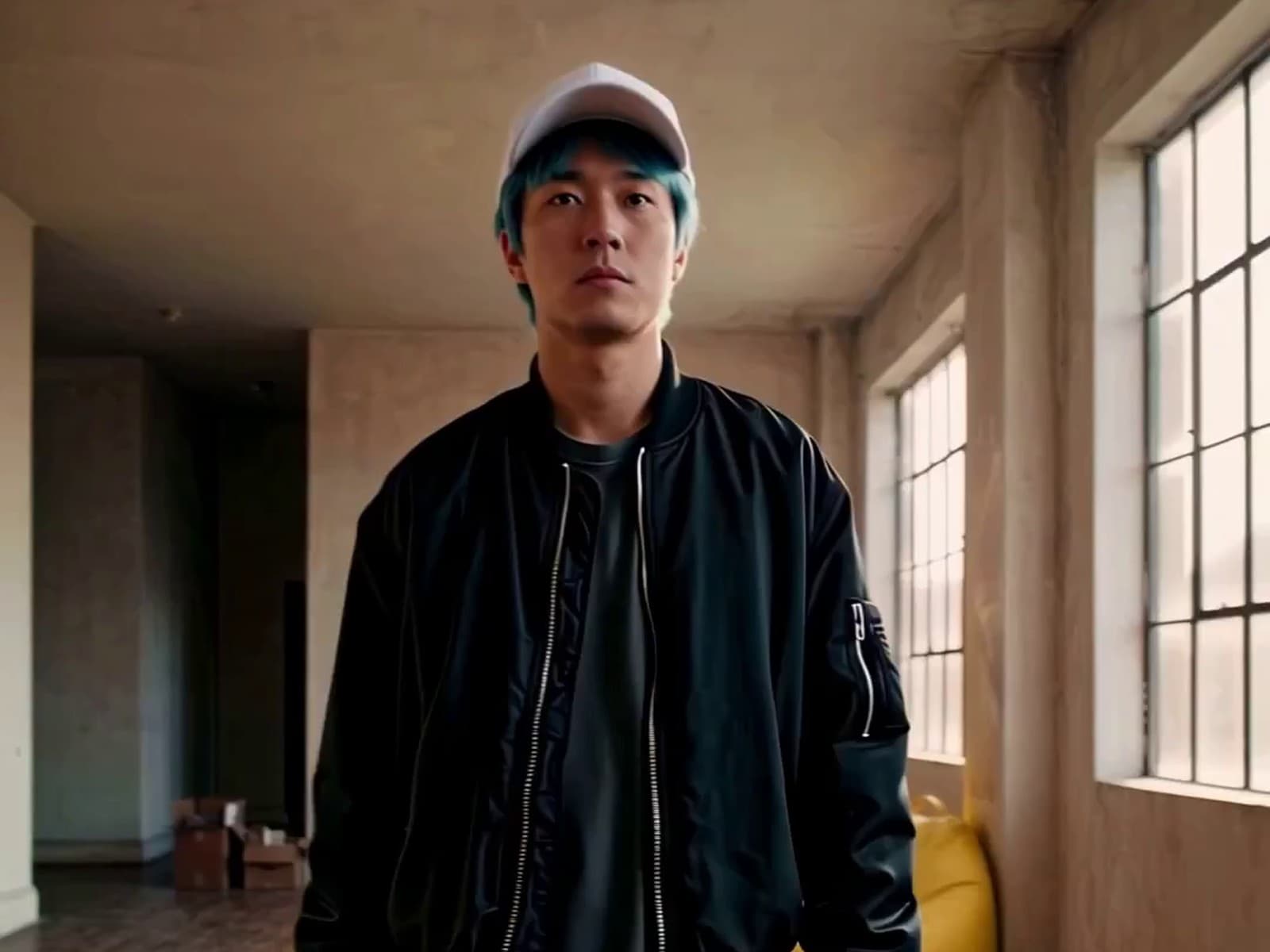
Jerrod Lew's Kling 4.0 demo changes wardrobe, props and set without a reshoot

Jerrod Lew added a coffee cup, red sneakers, a cap and new furniture to one walking shot with Kling 4.0 on Magnific, and the man in frame stays untouched. It is a product demo, and the starting shot was generated, not filmed.

A director's shelved AXE pitch came back as a 48-shot AI spec
A director revived her shelved AXE pitch as an AI spec, and it doubles as a demo for her employer

Cassandra Brooksbank remade a 2021 AXE pitch as a 60-second AI spec on Absurd, where she now works. Her plan-first method transfers, but no cost was disclosed and the film shows no spec label on screen.