Skip to content
Note—002DevelopingBrands

Indian brands are commissioning their own microdrama series as Higgsfield sells one click AI drama ads

Indian brands are paying for whole microdrama series, and Higgsfield now sells template AI drama ads. The headline price comes from a seller, and nobody has published whether viewers return for episode two.

Drafted by The Generated · Filed by The Generated

A 10-episode brand series in India costs Rs 15-20 lakh, about $16,000 to $21,400, if you ask a company that sells them. Ask whether viewers come back for episode two and nobody, seller or software, has published an answer.

Aziz Khan, co-founder of RVCJ Media, told Storyboard18 that advertisers are moving from product placement to commissioning whole series. The brands are real: JK Super Cement's 53-episode Tera Ghar Mera Ghar, Maaza's seven-episode Don't Go Na and Godrej's eight-episode 2nd Gen Kumars are all out. The price is softer. Deloitte, quoted by Mint, puts a season without known faces at Rs 2.5-5 lakh, about a quarter of Khan's figure.

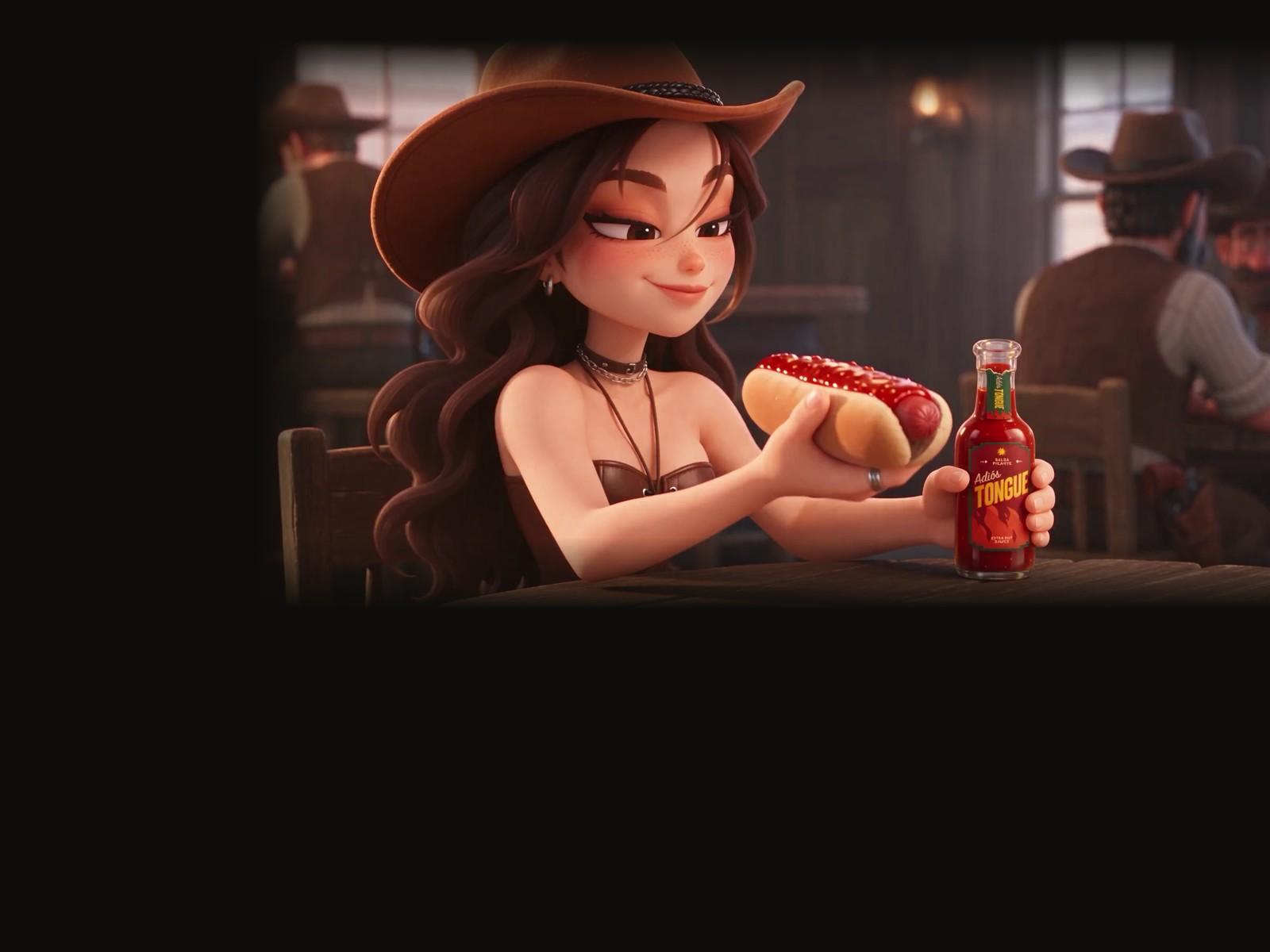
On Nov 6 Higgsfield added Micro Drama Ads to its Ads Studio, with eight styles from live action to claymation, 44 ready story ideas and a recurring cast of avatars. At its published rates, the footage for an eight-episode, two-minute series comes to about $750, our estimate before voice, music and retakes. Every story idea follows one shape, a problem and a product that fixes it, which makes an ad rather than a season.

AI brand dramas are not new either. Realme and Crompton released AI-made series in June, and neither has published retention. Viewers who already suspect brand content is synthetic will not forgive a series that hides it.

Our take: footage just got cheap, so brands are really paying for characters people return to. The AI studio that says its series is AI-made and publishes its episode two numbers first gets to set the price.

Full story, with the price table, via the

Source: Storyboard18, Nov 6 and 10, 2026; Mint; Higgsfield.

Read the full article: thegenerated.com/stories/india-brand-microdramas-higgsfield-drama-ads-20261110
Provenance — Storyboard18: Scripting the sale: why Indian brands are funding their own microdrama series; Higgsfield blog: Micro Drama Ads in Higgsfield Ads Studio; Higgsfield on X: Drama Ads · Status: verified: MEDIUM (Storyboard18 industry piece + Higgsfield's own launch; non-AI trend with an AI tool angle)
Indian brands now commission whole microdrama series, and AI wants the job
LeadNote—001DevelopingBrands

CAA and Ogilvy launch ECHO, letting brands make AI ads from licensed celebrity scans

Ogilvy's ECHO builds ads from scans kept in The CAA Vault, and the star must approve every asset before release. Terry Crews is the only reported talent so far, no brands are named, and the cost savings are the companies' own estimates.

Drafted by The Generated · Filed by The Generated

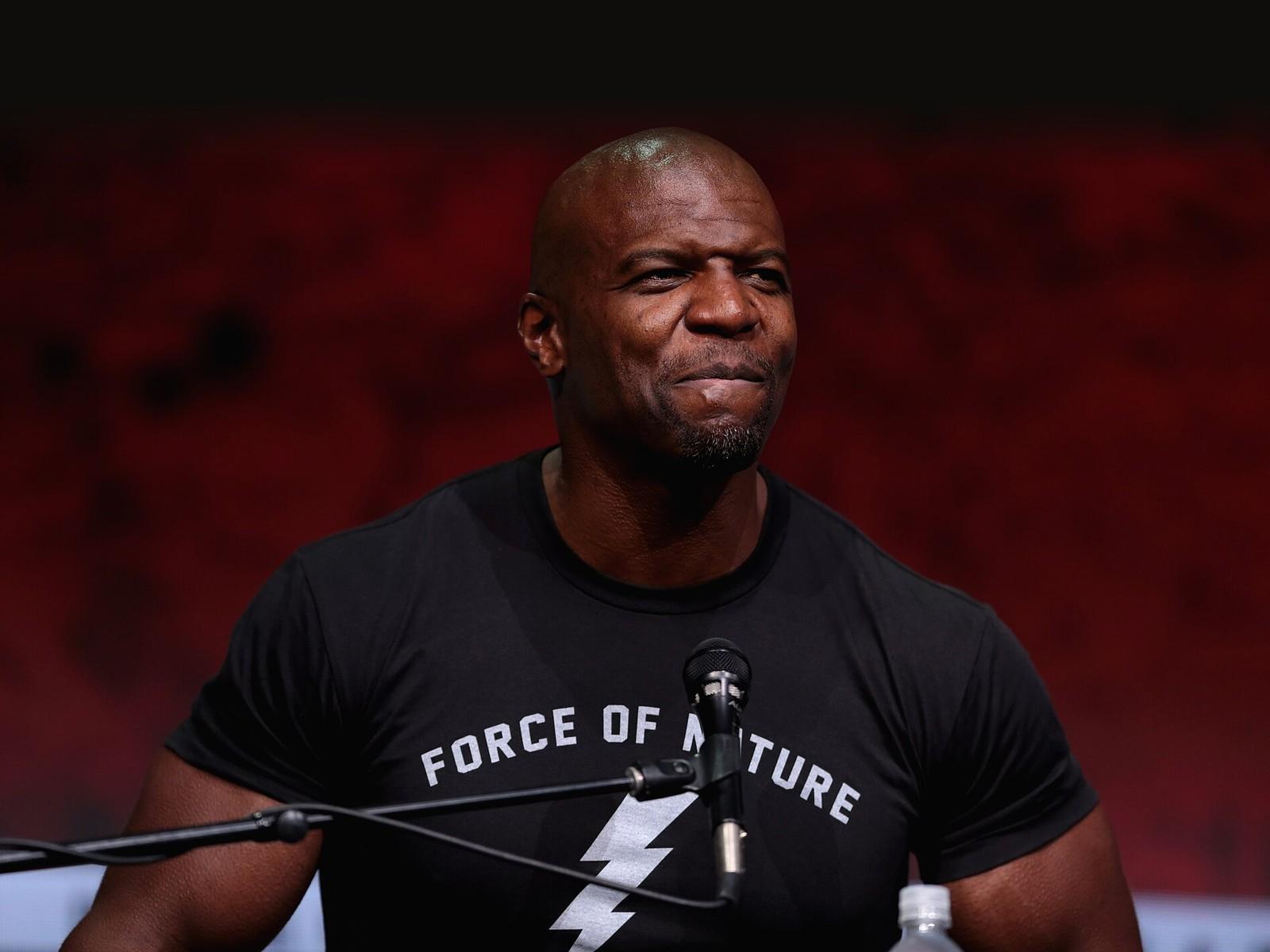
Terry Crews has opted in to appearing in ads he never filmed, and he has to approve every one of them. When so much of what we scroll past can't be traced back to a real person, this system answers with a label on the ad itself: "[Talent Name] Approved | Recreated with AI."

Ogilvy launched the platform, ECHO, on Monday with CAA, under a new partnership between the talent agency and Ogilvy's parent company WPP. It draws on The CAA Vault, a scanning studio built for CAA by Veritone that records a client's face, voice, expressions and walk with 204 cameras. A brand starts from one real shoot, and ECHO turns it into local versions and cuts for each platform. Ogilvy says a shoot that yields 8 to 10 assets becomes roughly 30 to 50, at 65% to 75% less per asset.

The guardrails are the pitch. Automated checks compare every asset against the star's usage terms, written into the contract in a form software can read, and nothing is released until the agent and the talent sign off in an approval portal. Talent choose which brands and markets they appear in. Carol Reed, Ogilvy's chief innovation officer, calls it the "NIL moment" between advertising and entertainment, borrowing the name, image and likeness deals of US college sports.

Most of the roster is still unknown. Crews is the only star reported so far, no brands have been named, and Reed says the first pilots should go live toward the end of the year, starting with social ads. Audiences may be the harder sell: YouGov found 49% of Britons view AI-generated actors in ads negatively.

Our take: the label proves the star said yes, not that the star was there. That is an honest line to draw, and it is the line audiences will judge these ads by.

Source: Ogilvy, Nov 9, 2026; Digiday; The Hollywood Reporter.

Provenance — Hollywood Reporter: CAA wants to create an AI-generated celebrity advertising machine; Digiday: Ogilvy and CAA begin cloning celebs for AI ad appearances; MediaPost: Ogilvy, CAA partner on AI-driven celebrity ads; Ogilvy release: ECHO · Status: verified: HIGH (Hollywood Reporter + Digiday + MediaPost + Ogilvy release)
CAA and Ogilvy will make celebrity ads from licensed digital doubles
Note—003DevelopingBrands

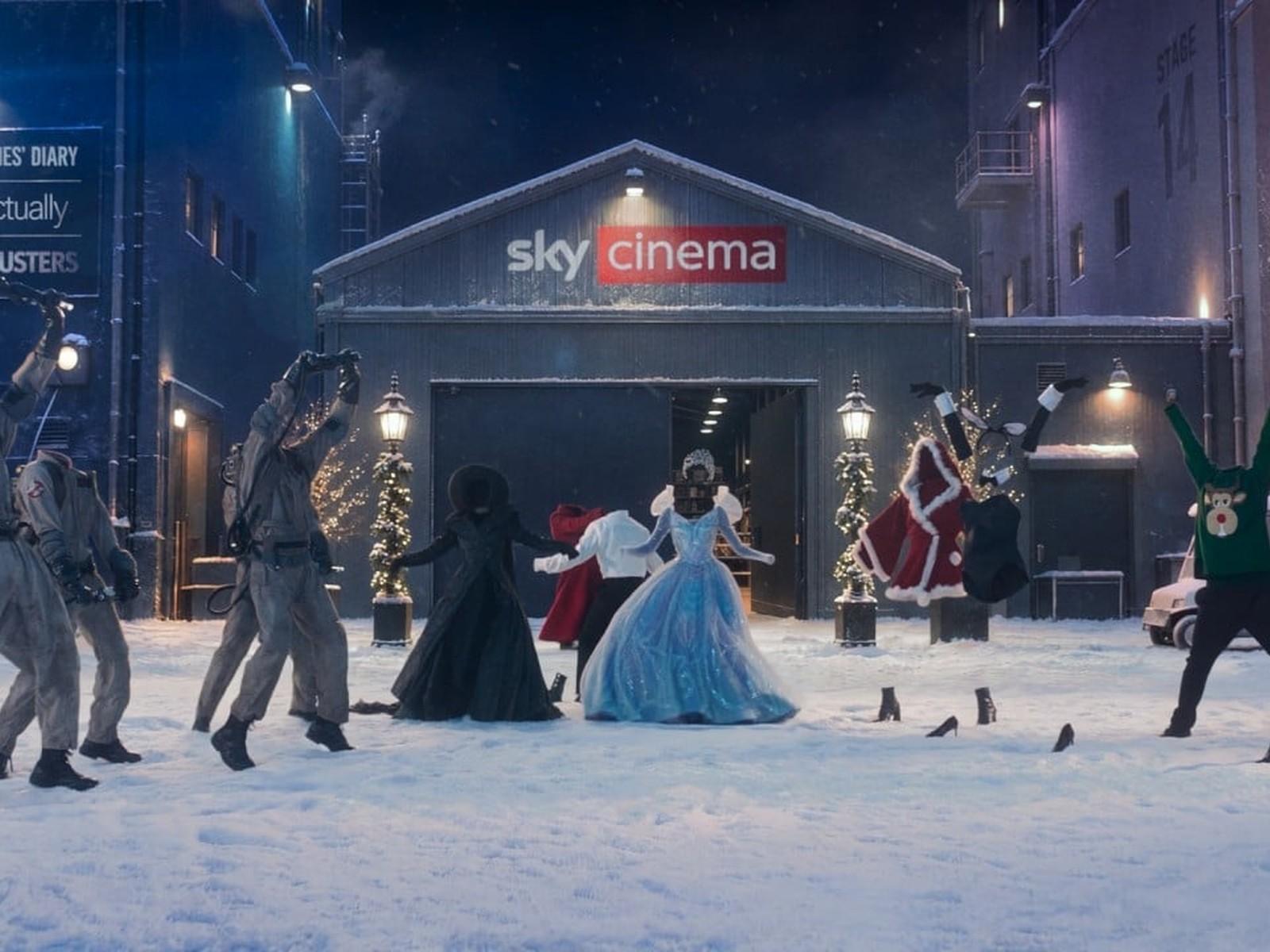
Sky's Christmas ad used real dancers, then Framestore erased them with AI

Framestore used AI alongside hand compositing to remove the dancers from Sky's 60 second Christmas ad, and to plan shots and add detail to the sets. Neither company has named the tools or said which final shots carry AI work.

Drafted by The Generated · Filed by The Generated

Every costume dancing through Sky's Christmas ad had a real dancer inside it, until Framestore took them out. The dancing is human, the missing dancers are where AI did its work, and neither company has said which tools did it.

"That's Christmas Sorted" is a 60-second spot directed by Dave Meyers at RadicalMedia, choreographed by Shay Latukolan and set to Groovejet. It launched on November 6 as Sky's biggest Christmas campaign yet, with outfits from Wicked, Friends, Bridgerton, Game of Thrones and Premier League kits dancing through a snowy costume warehouse.

Framestore says AI sat inside its normal VFX process from start to finish. Before the shoot, it paired traditional previs (rough early versions of each shot) with AI tools to test camera moves, timing and lenses from Meyers' storyboards. Its artists built the warehouse sets in 3D, then used digital matte painting and AI tools to add detail, texture and light. To make the costumes look self-animating, it combined classic compositing with AI to remove the dancers, and hand-animated some costumes in CG.

Sky's executive creative director Robin Garton drew the line plainly: "While all the dancing was with real talent, the creation of the world they inhabit made use of pioneering AI production techniques." Framestore's credits name an AI supervisor, Aitor Echeveste, and a head of AI, Alex Villabon, beside its 2D, CG and animation leads.

That is a different bet from the Christmas ads that sold AI as the product. Coca-Cola's AI holiday spots drew backlash in 2024 and again in 2025, and McDonald's Netherlands pulled its AI Christmas ad last December, three days after it went up.

Our take: Sky kept every dance human and gave AI the invisible jobs, and naming an AI supervisor in the credits is more honest than an ad sold as AI made. What is still missing is which final shots AI touched, and with what tools.

Source: Sky Group, Nov 6, 2026; Framestore via AWN and TVBEurope, Nov 9, 2026.

Provenance — AWN: Framestore brings hybrid AI/VFX to Sky's Christmas campaign; TVBEurope: Framestore delivers previs, hybrid AI and animation for Sky's Christmas campaign; Sky Group: That's Christmas Sorted · Status: single-source, reported
Sky's Christmas ad used AI to erase its dancers so the costumes dance alone

That’s all of Brands today.

3 notes, filed as the record moved.

Brands & Advertising — archive

Also filed

Models2 notes
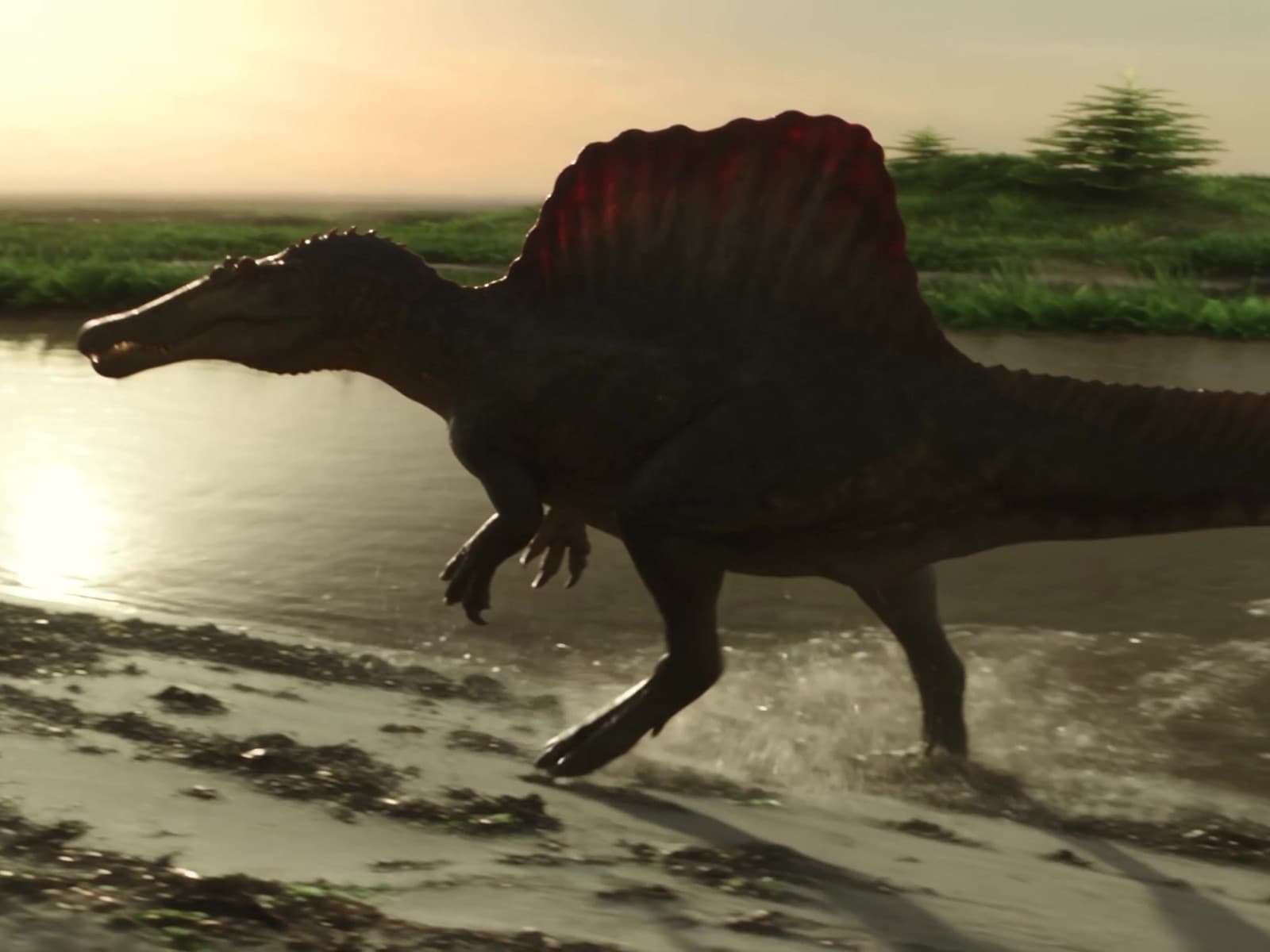
Higgsfield's one shot dinosaur film ran on a 448 word brief
Higgsfield's one prompt dinosaur documentary ran on a 448 word production brief

Higgsfield says Claude made its nearly 10 minute dinosaur documentary in one session with no outside editing. The prompt it published is a full production brief, and it has not said how many shots were redone or whether anyone reviewed the cut.

Cinematographers push back on greybox shoots
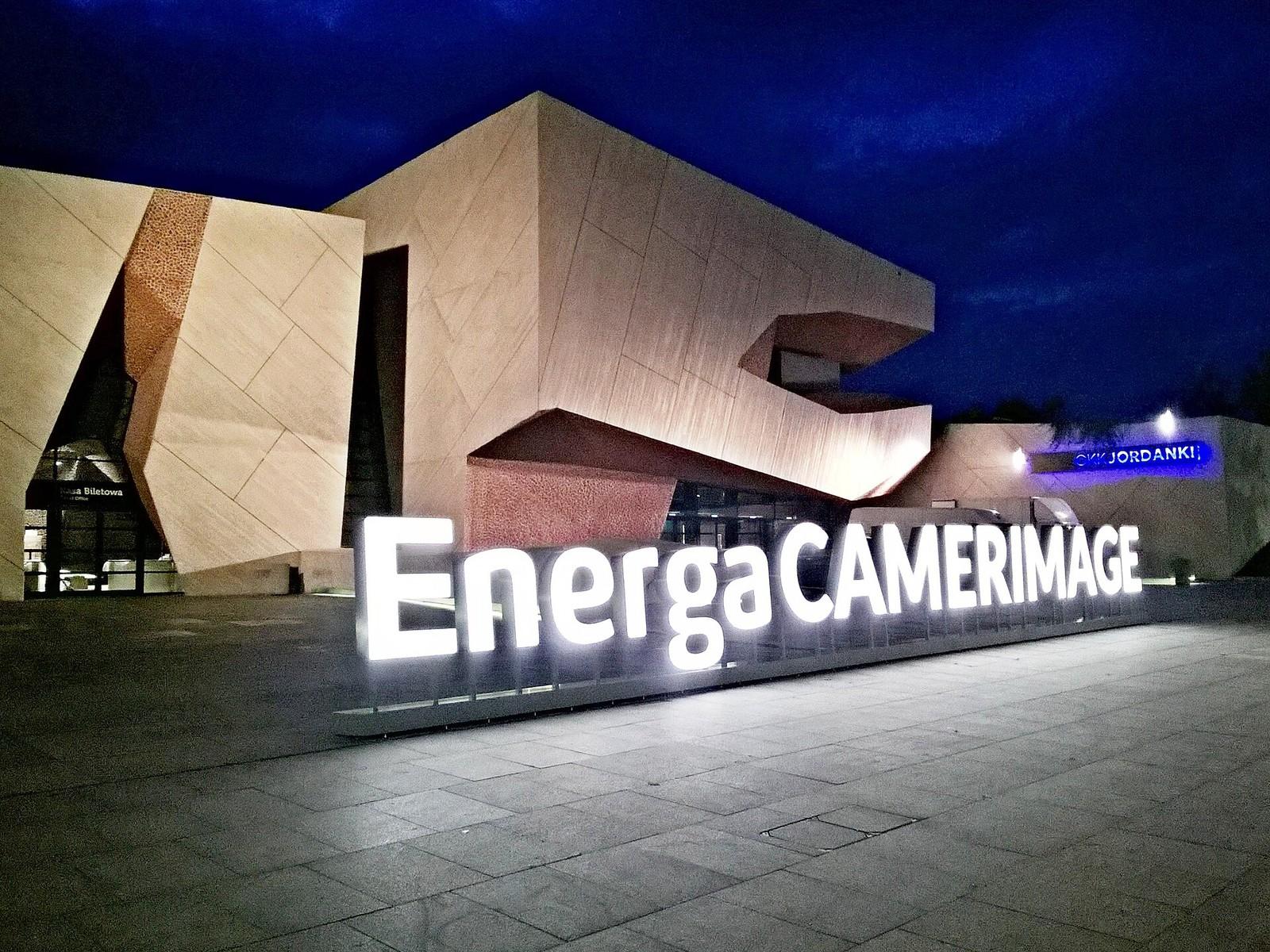
Cinematographers at Camerimage push back on greybox shoots, where AI adds the lighting after the shoot

At Camerimage, cinematographers say greybox shoots, where actors are filmed on plain sets and AI adds the sets and lighting later, move the look of a film into post. The Bitcoin detail rests on one IndieWire line.

Microdrama studios say the hook, not the shoot, keeps a vertical series alive
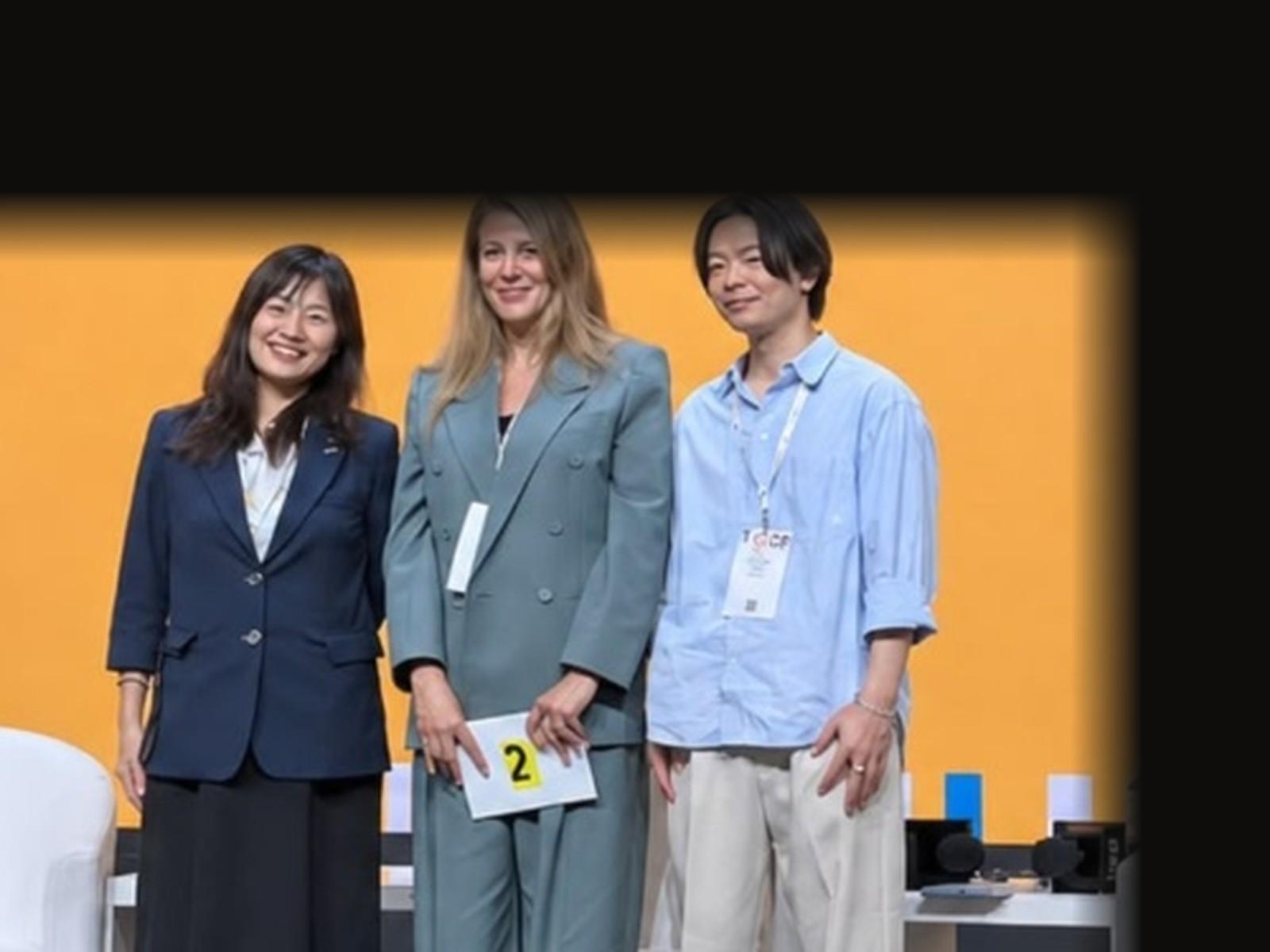
Microdrama studios say the first 30 seconds decide a vertical series, not the shoot

Bump and İki Dakika told TCCF that hooks and villains hold a vertical feed, not production budgets. Both shoot live action, every quote comes from one session report, and Bump's scale figures are its own.