Instagram's rules protect your name, not your work: copycat accounts lift comics' sets word for word
Copycat accounts are posting real comics' stand-up sets word for word, and Meta told the comics who reported them that copying an act breaks no rule because nobody is impersonated. The problem is copying, not the tool, and the same gap leaves every maker's work exposed.
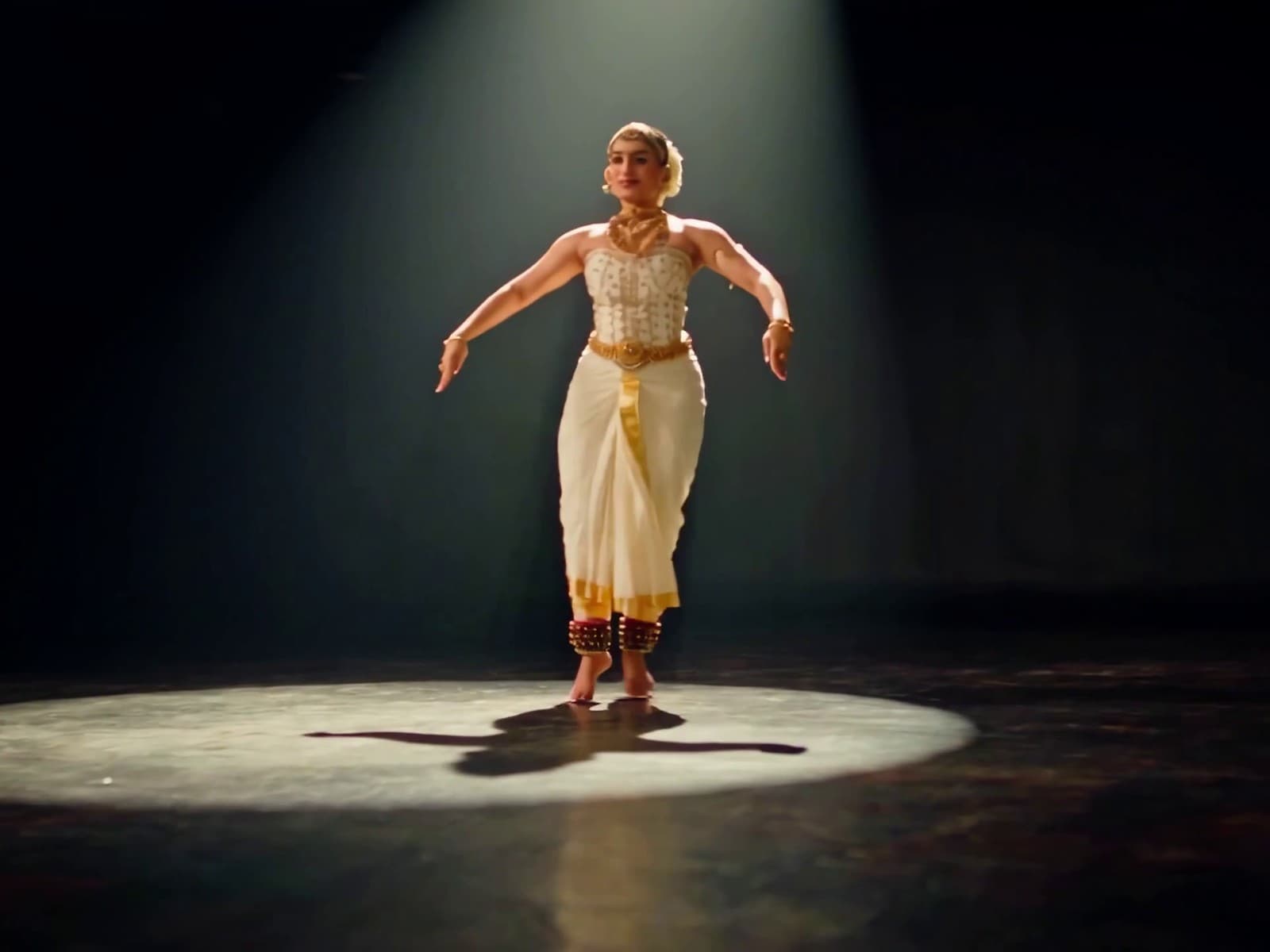
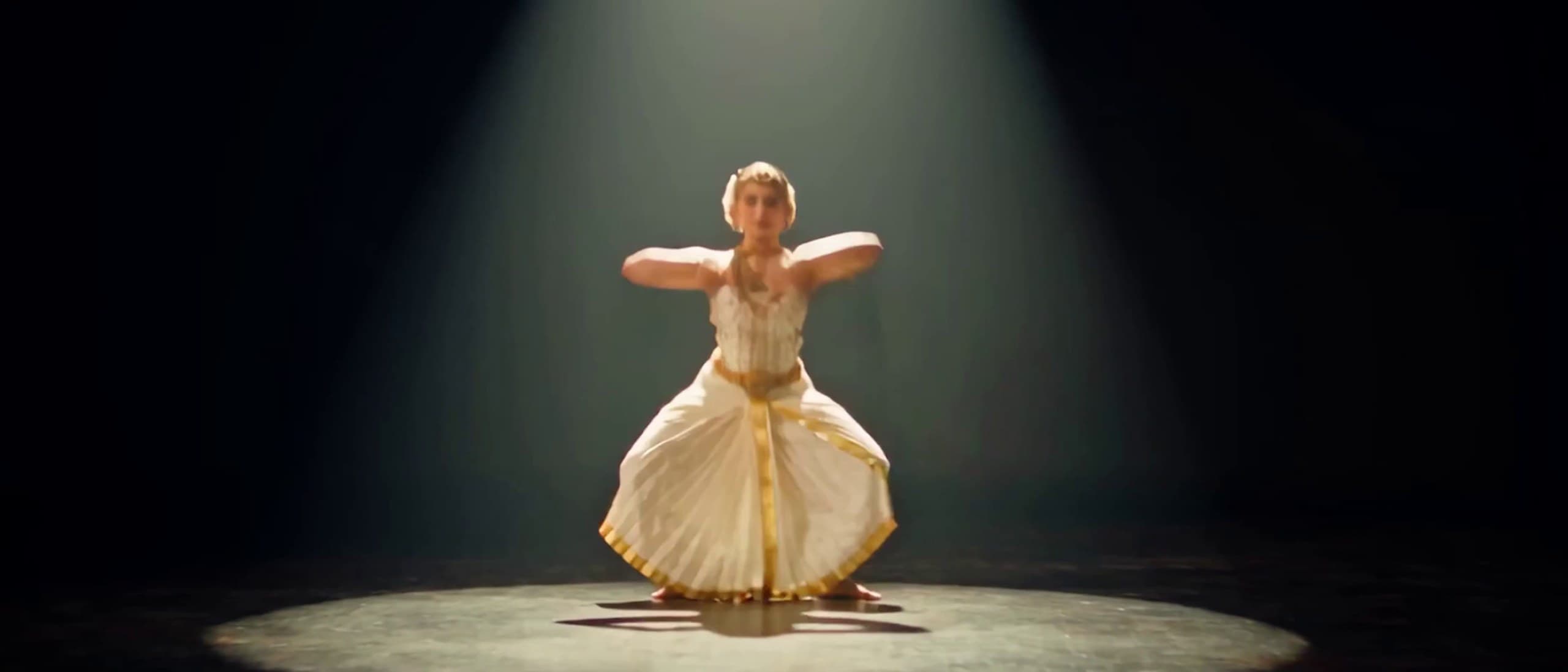
Instagram's rules protect who you are, not what you make. Comics found that out this month when copycat accounts started posting their stand-up sets word for word, delivered by AI-made performers. Olga Namer spent nine years getting one joke right, and her own clip of it drew about 520,000 views. A month later a copy of the same joke reached nearly 8 million, Deadline reported on Oct 16, and Natalie Cuomo says her jokes have been lifted seven to 10 times.
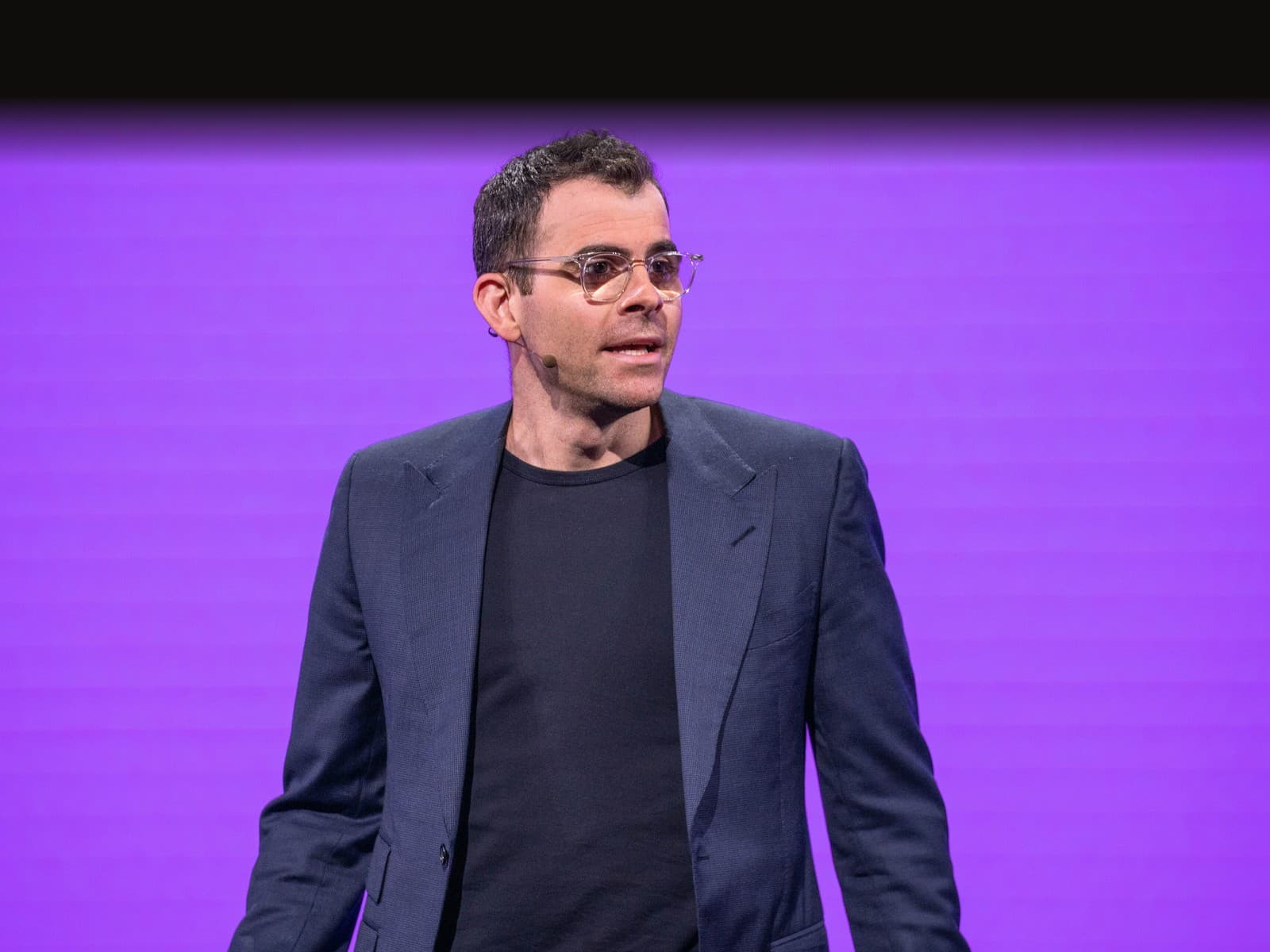
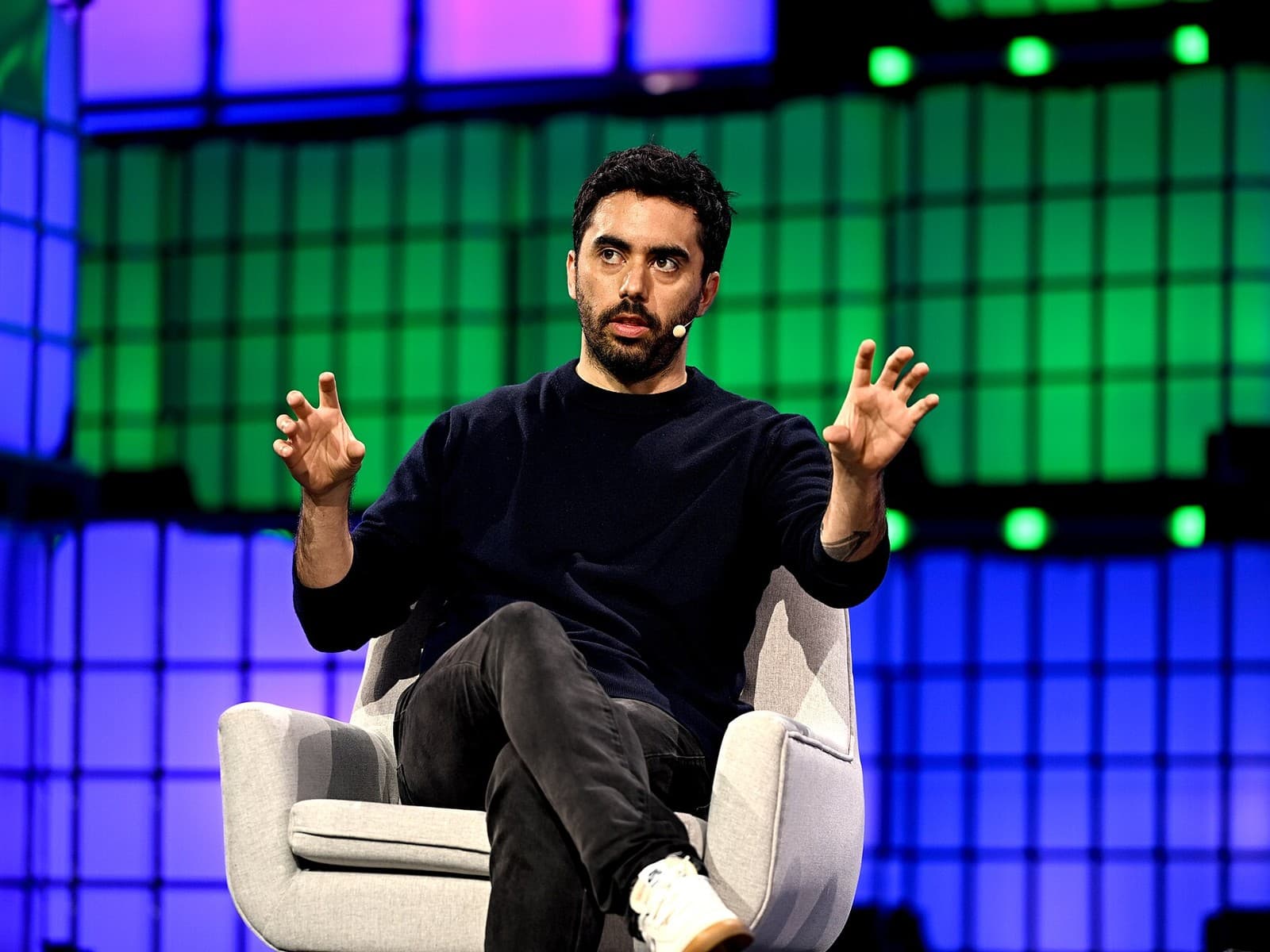
When the comics reported the clips, Meta's answer became the real story. Julia Jasunas told WIRED that Meta said an account doing her joke word for word broke no community guidelines, because it never claimed to be her. Instagram bans pretending to be someone, but it does not ban copying their act, and jokes get almost no protection under copyright law. Instagram head Adam Mosseri told comic George Brett Olson that banning AI content is not practical, but that it "would be good for us to work out what we can do" about accounts ripping off content wholesale.
The tool is beside the point here. The same gap lets anyone repost a short film, an edit or an AI piece without credit, and people making work with AI are as exposed to it as the comics are. Copying is the problem, and credit is the fix. In practice, whatever you make it with, keep dated originals of your work so you can show it is yours, and credit the makers you build on.
Sources: Deadline and WIRED, Oct 16, 2026.