Skip to content
Note—001DevelopingModels

Kling 4.0 Flash opens to everyone at $0.094 a second, and 720p is the price

Kling's fast 4.0 tier is open to everyone at a developer list price of $0.094 a second, 40% under the full model. It stops at 720p and 20 seconds, and its edit rate bills at least twice the output length.

Drafted by The Generated · Filed by The Generated

Kling 4.0 Flash, the faster tier of Kling's newest video model, opened to everyone on Wednesday at $0.094 a second at 720p, exactly 40% under full Kling 4.0 on Kling's developer price list. The number holds up, but working out what a shot will really cost you still takes arithmetic Kling does not do for you.

Flash makes clips of 3 to 20 seconds from text, from a single first frame, or guided by up to 10 stills and five video clips you supply, and it keeps native sound. It stops at 720p, and it cannot hold a set last frame or clone a voice, both things the full model does. Buying direct from Kling starts with a $500 prepaid pack, which works out to about $0.092 a second; resellers such as Runware sell it per second from $0.094 with no minimum.

The cheaper-looking edit rate is where the math turns. Editing footage lists at $0.063 a second, but Kling bills at least twice the output length, so a 10-second edit of a 10-second clip costs $1.26 against $0.94 for a clip made from text. Kling 3.0 without sound is also still cheaper than Flash, at $0.084 a second.

Our take: Flash is a good deal for drafting a shot many times at 720p before paying full price for the take that works. What most creators would pay inside Kling's app is still unpublished, and no independent test has scored its quality yet.

Full story, with the full price table, via the

Source: Kling developer price list and changelog, read Nov 5, 2026; Kling on X, Nov 4, 2026.

Read the full article: thegenerated.com/stories/kling-4-flash-price-720p-20261105
Provenance — Kling on X; Kling API update log (11/04/2026); Kling API pricing; OrcaRouter: Kling 4.0 Flash Goes GA · Status: single-source, reported
Kling 4.0 Flash is open to everyone. The catch is 720p
Models

ChatGPT Images 2.6 can animate a storyboard frame. Just don't call it video

ChatGPT can now turn a frame into a short GIF loop and reuse saved reference images by name, which makes it a cheap motion test before video. The loops are sprite sheets, the documented 64 frames failed above 16 in one paid test, and at low and medium quality the new API models bill three to four times the tokens of 2.5.

Drafted by The Generated · Filed by The Generated
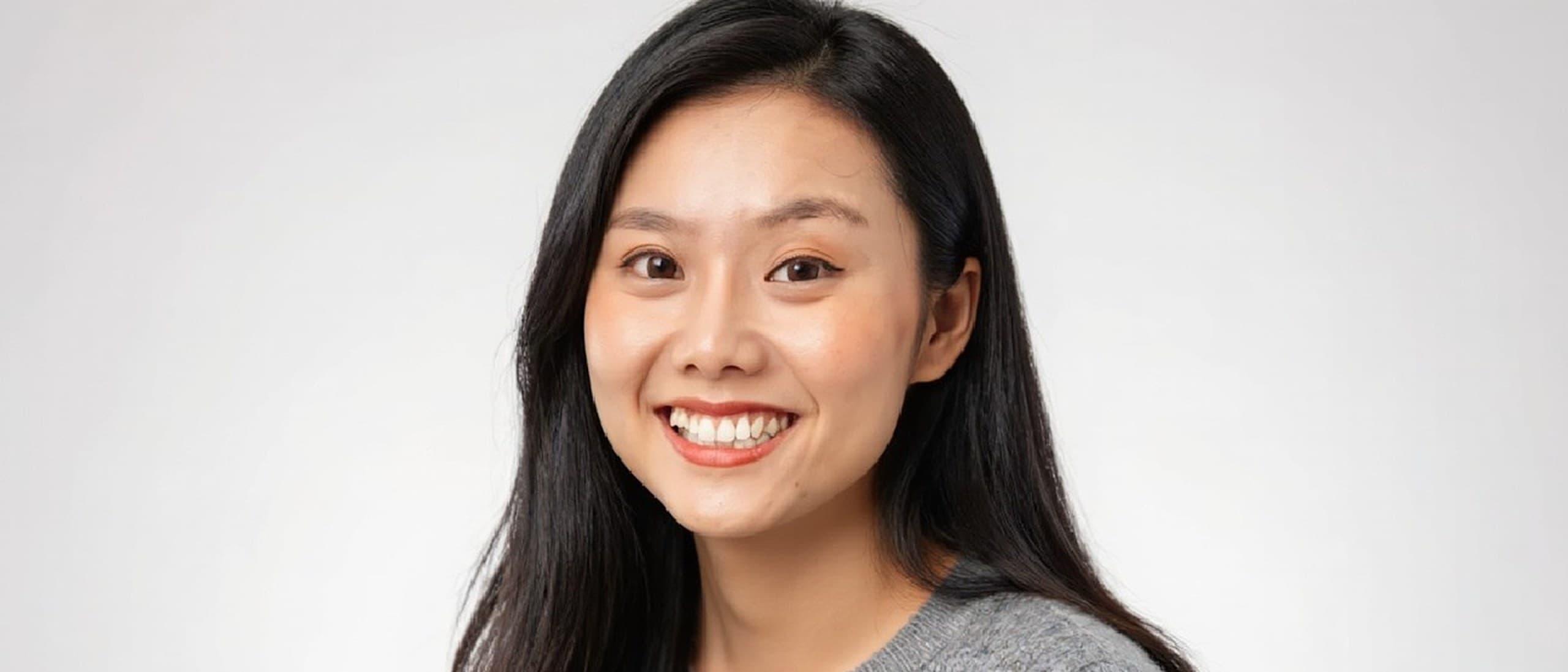
OpenArt co-founder and chief executive Coco Mao, smiling, with long dark hair and a gray sweater, photographed against a plain light gray studio background

A chibi office worker sits at a desk, watching a stock chart fall. Over six frames his eyes widen, his face crumples, tears stream down his cheeks, and the sixth frame slides back toward the first so the loop never ends. OpenArt made it for OpenAI's launch of Images 2.6 on Wednesday 4 November, and the prompt is printed under the clip. It doesn't ask for a video. It asks for "a single animation sprite sheet": exactly six frames, arranged in a three-column, two-row grid.

That detail explains most of what the update can and can't do for people who make films. Images 2.6 brings animated GIFs to ChatGPT, saved reference images you can call back by name in later chats, and two new models for the API (OpenAI's pay-per-use developer access), GPT-Image-2.6 Flare and GPT-Image-2.6 Sunburst, which OpenAI says generate images 50% faster than before. OpenAI's own pitch includes a line aimed squarely at filmmakers: creators can "use animated storyboards to explore character movement before video production." That is a pre-visualization pitch, and on the evidence from launch night it is the honest one.

Keep reading — 8 min

That’s all of Models.

5 Nov · 2 notes, filed as the record moved.

Models — archive

Also filed

AI made microdrama dubbing cheap, and the dubbing company's own books show who pays
AI dubbing made Chinese microdramas cheap to export, and Transn's own filing shows who pays

Transn says it localized 20,000+ Chinese microdramas with cloned voices, but its filing shows margins falling as AI cuts prices per order. Most titles were likely subtitled, and voice consent terms are unpublished.

China's top AI drama is a grassroots hit made entirely with ByteDance tools
A part-time crew made China's top AI drama, and every layer of it belongs to ByteDance

Into the Song has run ten 100-episode seasons on Hongguo since August. The viral debt story is wrong, the play counts belong to different counters, and the money figures are the team's own word.

Hyundai India is paying for a Diwali microdrama out of its social budget

Hyundai Motor India is funding a six-episode Diwali microdrama with Terribly Tiny Tales from its social budget and will judge it over 15 days. The budget and view counts are undisclosed, and nothing suggests AI was used.