Skip to content
Note—003DevelopingModels

Luma's Character Swap and Insert recasts a scene from a single still image, not a video clip

Luma's new tool swaps, inserts or removes characters in one uploaded image using up to six pictures of the new cast. Every take costs credits, and Luma has not shown a swap holding across moving footage.

Drafted by The Generated · Filed by The Generated

Luma's reply to "the client has notes" is a new tool that recasts a scene, swaps the car, adds a dog or takes someone out while keeping the shot. For anyone already watching their credit balance, the detail that matters is that every take costs credits, and one run can make up to four.

Luma launched Character Swap & Insert on Nov 11 and says it is live now. Its product page shows how it works: you upload one target image, mark the people in it, add up to six pictures of the characters you want, then choose swap, insert or remove for each one, with optional written direction. Quality is set to Max by default and each run makes two takes unless you change it.

What the page asks for is a still, not a clip. Luma's earlier Shot Coverage tool takes a source video, while this one takes a single image, and the launch film shows its edits on still frames. Luma has not published the credit price per take, the output size, or any test of a swap holding across moving footage.

Our take: fixing a client note on one frame is useful for pitches, boards and key art. A shot moves, though, so until Luma shows a swap holding across a clip, treat this as a still fix.

Source: Luma on X and Luma's Character Swap & Insert product page, Nov 11, 2026.

Provenance — Luma announcement; Luma product page · Status: single-source, reported
Luma's Character Swap & Insert edits the cast in a single image
LeadNote—001DevelopingModels

TikTok now sells Seedance access in Symphony without its $5,000 ad spend rule, outside North America

Advertisers outside North America can now pay BytePlus inside Symphony to use Dreamina Seedance whatever their ad spend. TikTok shows no price inside Symphony, and the 30 second clips date from August.

Drafted by The Generated · Filed by The Generated

TikTok's strongest AI video model has come with an entry fee you never saw on a price list: $5,000 of ad spend in 30 days. Until now that made it a perk for accounts already spending heavily, and since November 9 advertisers outside North America can pay their way past it.

Inside Symphony, TikTok's AI ad suite, access to ByteDance's Dreamina Seedance models on ordinary credits unlocks only when a linked ad account has spent $5,000 in the previous 30 days, and TikTok checks that every Monday. Paying BytePlus directly, inside Symphony, now unlocks the same models whatever you spend on ads, with no daily generation caps and no queue, according to TikTok's help center. BytePlus is the business technology arm of ByteDance, TikTok's parent company.

The 30 second clips in this week's headlines are not new. Seedance 2.5 arrived in Symphony in August with clips up to 30 seconds, up to 50 image, video and audio references and direction tied to timestamps, for select paying advertisers in select markets. Real face uploads are blocked, and output carries AI labels and Content Credentials.

Our take: the old gate was ad spend, and the new one is a price TikTok has not published inside Symphony. Until a rate appears there, a small studio can test the model but cannot quote a client on it. TikTok's own pages also disagree on whether Canada is included, and the United States is out either way.

Sources: TikTok for Business announcement, Nov 8, 2026; TikTok Symphony help center, November 2026.

Provenance — Campaign Middle East: updated capabilities; MediaPost: new generation limits; Net Influencer: reference counts and BytePlus access · Status: verified: HIGH
TikTok opens its best AI video model to advertisers who never spend $5,000
Note—002DevelopingModels

Adobe previews AI agents that edit native Premiere and Photoshop projects, with a private beta in early 2027

Adobe's local connectors would let outside AI agents edit real Photoshop, Illustrator, Premiere and After Effects files. Nothing ships until a private beta in early 2027, with no price or agent list.

Drafted by The Generated · Filed by The Generated

Adobe wants the AI assistant you already use to work inside your Premiere and Photoshop projects, not around them. If it holds up, an agent's rough cut or resize stays a native project you finish by hand, instead of a flattened file you redo after every note, but nobody can try it until 2027.

At its MAX conference on Tuesday, Adobe previewed local connectors built on MCP (Model Context Protocol, an open standard that lets AI agents plug into software). Its release says agents will make changes directly in native project files on your own computer, with layers, vectors, bins and sequences left editable. A private beta opens in early 2027. Adobe has published no price, no plan requirement and no list of supported agents. Claude appeared on the keynote stage, which makes it a demo rather than a support promise.

Outside agents reaching Adobe tools is not new. Adobe already runs cloud connectors for Claude, ChatGPT and Gemini, and an unofficial bridge built by an Adobe community staffer has let Claude drive Photoshop since March 2025. Its author said the Premiere side was more limited because of Premiere's plugin system, which is why the timeline is the part to watch.

What creators can use today is Premiere 27.0. Color Mode, the grading workspace, is out of beta, and the Generative Media Tool now makes images, music and soundscapes inside the edit, on credits. Video and sound effect generation arrived in July. By our estimate, the 4,000 monthly premium credits in Creative Cloud Pro buy about 40 seconds of 1080p Firefly video.

Our take: Adobe is betting that the project file is its moat, and for editors tired of re-rendering every AI fix that is a real upgrade. The fair test comes in 2027, on the Premiere timeline rather than the keynote stage.

Source: Adobe release and Premiere 27.0 release notes, Nov 10, 2026.

Read the full article: thegenerated.com/stories/adobe-local-mcp-agents-premiere-photoshop-20261110

Provenance — Adobe: Creative Cloud tools and availability; The Verge: agentic AI and MCP; PetaPixel: Premiere Color Mode, generative media and audio · Status: verified: HIGH (Adobe release + The Verge + PetaPixel)
Adobe will let outside AI agents edit Premiere projects, but not until 2027
Models

Avid puts Google's Veo inside Media Composer for no Avid fee, and Google sends the bill

Avid's new Ready to Play extension lets Media Composer editors generate temp shots, modify clips and log footage with Google's Gemini models and Veo without leaving the bin. Avid charges nothing for it, but it needs the Ultimate or Enterprise tier, and Google meters every task on the editor's own cloud bill.

Drafted by The Generated · Filed by The Generated
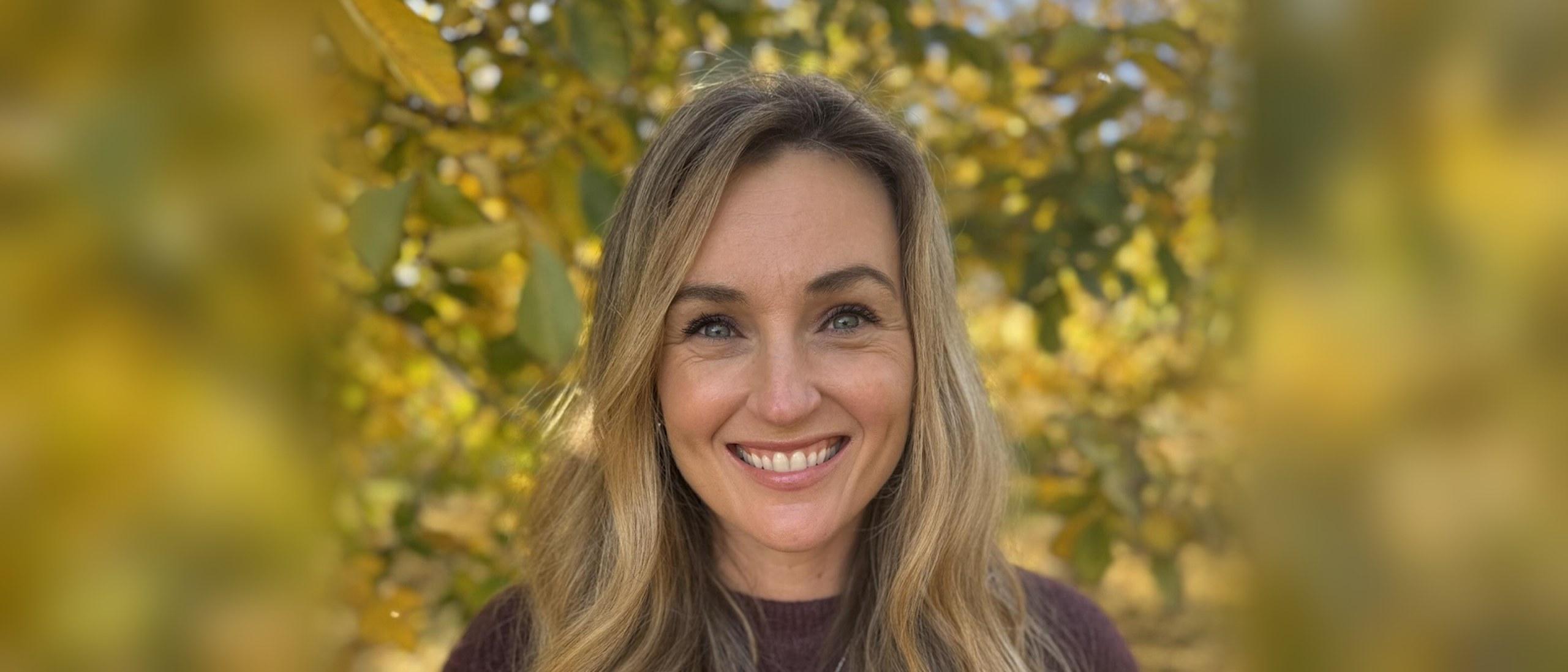
Headshot of Kenna Hilburn, chief product officer at Avid, smiling in front of yellow autumn leaves

Avid on Tuesday 10 November launched Ready to Play, an optional Media Composer extension that uses Google's Gemini models and Veo to generate, modify and analyze video inside the edit. Avid charges nothing extra for it, but it runs only on the Ultimate and Enterprise tiers, and Google bills every task to the editor's own Google Cloud account.

That split is the real news for working editors. In the edit bay, free AI now means bringing your own cloud bill: the software maker builds the button, the model owner runs the meter, and the cost of each generated shot never appears on the software invoice. Trade write-ups repeated Avid's "no additional charge" line and skipped two gates. Standard subscribers are locked out entirely, and Avid's documents never say which Veo tier a job uses, which at Google's list prices is the difference between well under a dollar and more than three dollars for one eight-second clip.

Keep reading — 5 min

That’s all of Models today.

3 notes, filed as the record moved.

Models — archive

Also filed

DISRUPT counts 487 AI film entries, but only Australians can win
DISRUPT AI Film Festival reports 487 entries, but only Australian residents can win

TBWA Australia's festival says entries rose 31% to 487. Its own white paper counted 73 Australian films among last year's 371, and this year's eligible count is not public.

VSCO puts its no generative training promise in writing
VSCO says users' photos won't train generative AI, but public posts can still train its search tools

VSCO's updated standards bar generative AI training on public and private posts from free and paid users. Public posts can still train non-generative tools like search and editing, and the policy cannot cover copies of your work made elsewhere.

Where AI actually helps a brand series, and where it does not
AI makes a brand series affordable. Humans make it good

In Google's own case study, AI got one small brand more than 20 mascot clips in an afternoon at under a tenth of the usual cost, with people directing and checking every stage. The character, the cut and the trust stay human: over half of US consumers still distrust AI ads.