Microdrama studios say the first 30 seconds decide a vertical series, not the shoot
Bump and İki Dakika told TCCF that hooks and villains hold a vertical feed, not production budgets. Both shoot live action, every quote comes from one session report, and Bump's scale figures are its own.
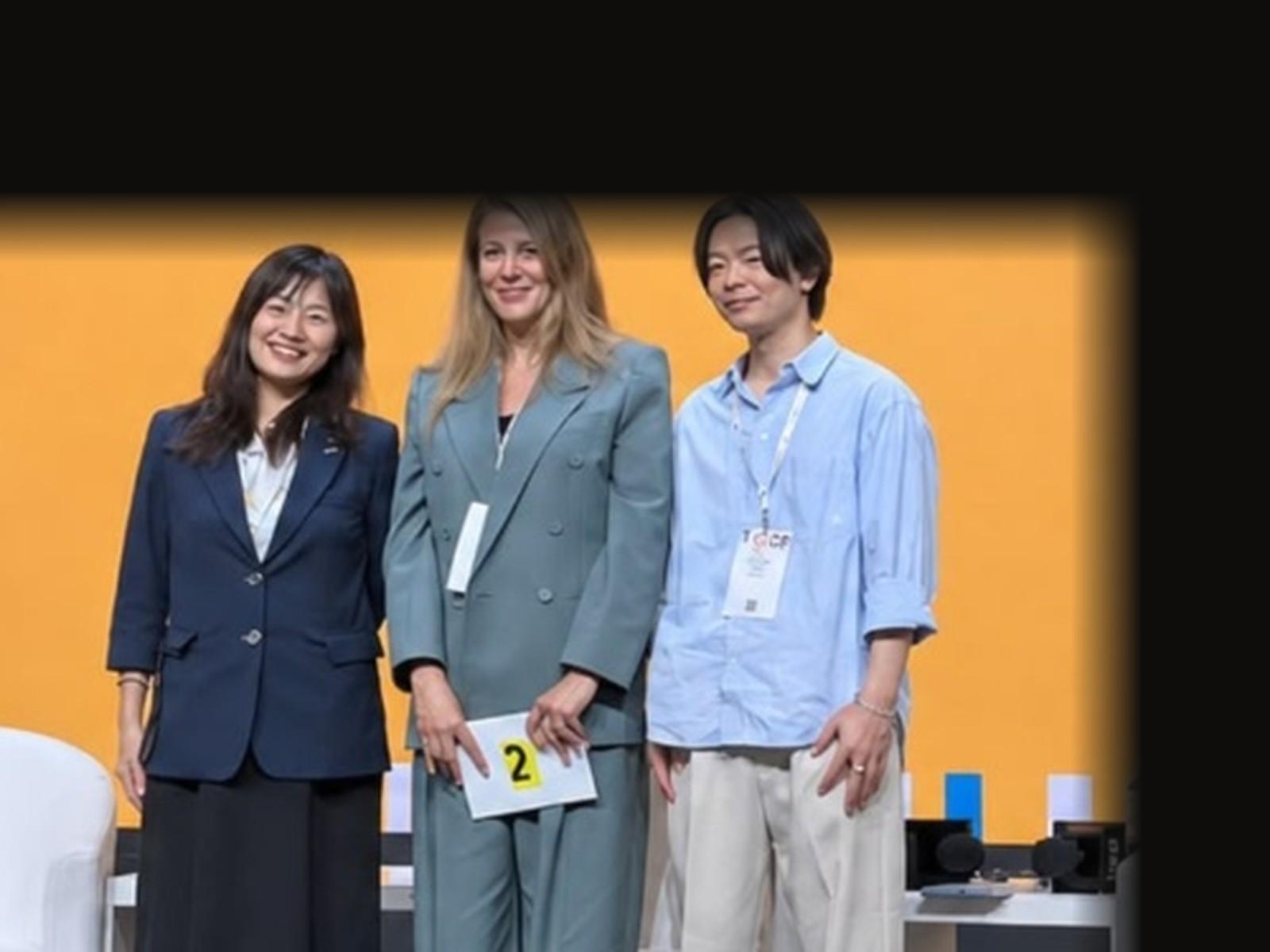
Bump, a Japanese microdrama app, judges a new series in its first 30 seconds. CEO Sawamura Naomichi told the Taiwan Creative Content Fest in Taipei that the app tracks where viewers drop off in episode 1, which is a reminder that cheap production doesn't buy attention, and that this live-action playbook is one AI makers inherit.
On the same stage, İlkin Kavukcu, founder of Turkey's İki Dakika, said a hook doesn't need a twist. İki Dakika looks for a moment of emotional recognition that stops the scroll, and builds long-running characters instead of stacking one-off shocks. Sawamura named Japan's four working genres (female rivalry, hidden identity, infidelity and revenge, and lightly suggestive dramas for men) and said hidden identity travels furthest because the reveal can keep being delayed. Sawamura's villain rule: make the villain infuriating enough and viewers stay to see them punished.
Most of the time goes into the script. Bump spends about two months developing a series, then shoots 25 episodes, about 45 minutes in total, in four days. It also funds originals: its latest round offered up to 5 million yen (about $32,000) per series, entries closed on November 1, and its rules say nothing about AI.
Treat the scale claims with care. Bump's 7 billion social views count plays of promo clips on its own accounts, not plays in the app, and its product team ranks the 7-day completion rate above the 30-second check. Neither speaker mentioned AI.
Our take: the studios that hold a vertical feed win on writing and on knowing where viewers leave, and AI changes neither. Makers who spend the savings on episode 1 can beat live action on its own terms.
Source: Variety, Nov 9, 2026; Bump and emole releases.
Read the full article: thegenerated.com/stories/microdrama-first-30-seconds-tccf-20261109