Skip to content
Note—004DevelopingFilm

Screenburn's Writers Room drafts an 80 episode microdrama season in hours and scores it with its own engine

The subscription costs $1,350 a month on a 12 month contract for one season a month. Its Retention Engine grades every episode out of 100, but no outside test shows the score predicts what viewers do.

Drafted by The Generated · Filed by The Generated

Screenburn's new Writers Room drafts all 80 episodes of a microdrama season in a few hours, then hands every episode to a second piece of Screenburn software for a grade. At $1,350 a month on a 12 month contract, the question for anyone making vertical series is whether that grade is worth paying for before a single scene is shot.

The writer supplies the plan: a title, a one line summary, the characters and answers to a set of story questions. The Writers Room returns about 29,000 words of screenplay, written to rules the company says it drew from data on more than 100,000 vertical series. Its Retention Engine then scores the season out of 100 on how episode one opens, how each episode ends, how often it tells the viewer something new and how the tension builds. A score of 80 earns the company's own Screenburn Certified mark.

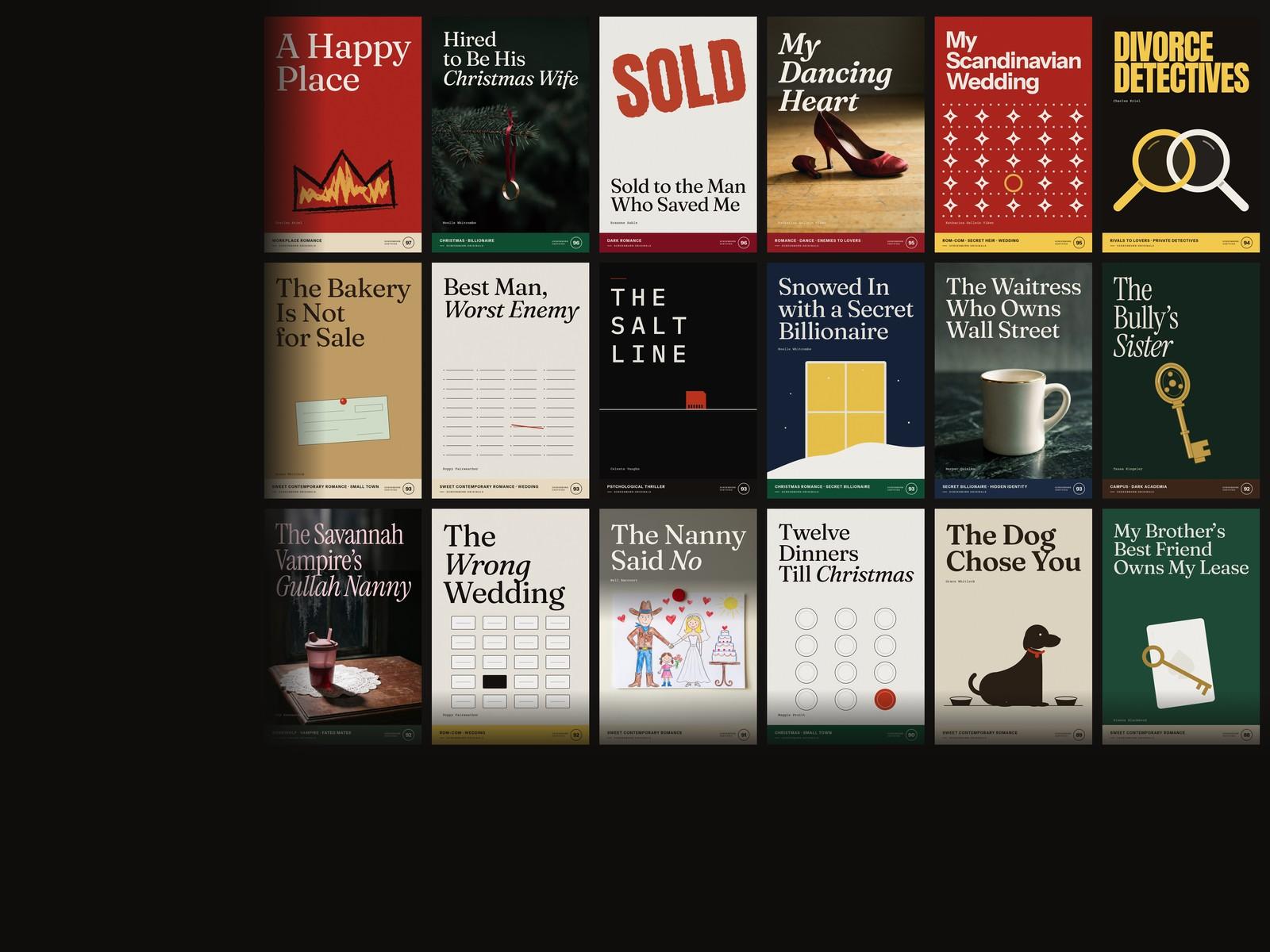
The subscription covers the writer plus up to five colleagues and one season a month, extra seasons cost $1,350 each, and unused seasons do not carry over. Screenburn's pricing page says every script it writes for you is yours. It also sells its own slate of 20 finished scripts, all scored between 82 and 97 by the same engine; the top score belongs to a script credited to its chief executive, Charles Kriel.

Our take: a tool that grades its own seasons is making a pitch, not offering proof. Microdrama viewers watch the first episodes free and pay for the rest, so the grade that matters is how many of them keep paying, and Screenburn has published no outside test of that. The patent behind the engine is still an application.

Sources: Broadcast, Nov 12, 2026; Screenburn pricing and scripts pages, Nov 13, 2026.
Provenance — Jake Bickerton, Broadcast, 12 Nov; full article opened · Status: single-source, reported
Screenburn's Writers Room drafts an 80 episode microdrama season in a few hours
LeadNote—001DevelopingFilm

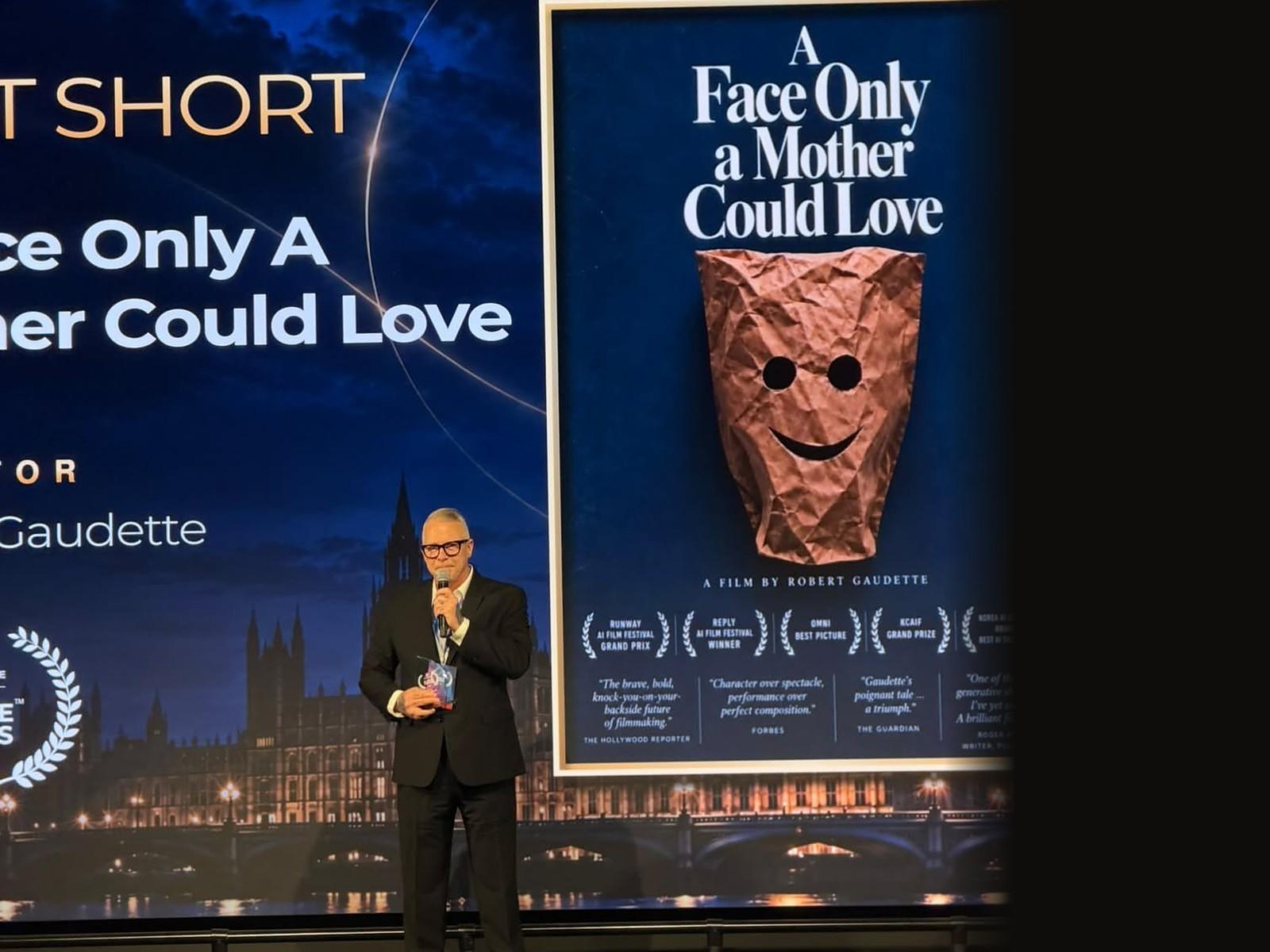
London's AI Movie Awards give Best Short to a film that already won Runway's Grand Prix

Robert Gaudette's A Face Only A Mother Could Love won Best Short in London after taking Runway's Grand Prix in June, and Hal Watmough's 33 minute The Trials won Best Feature. AIMA has no exclusivity rule and no cash prize.

Drafted by The Generated · Filed by The Generated

The biggest prize at London's first AI Movie Awards went to a film the circuit had already crowned. For independent makers paying entry fees in the hope of being discovered, that is the part worth sitting with, because these nights now reward finished, proven work over new names.

At IET London on Sunday, November 8, AIMA gave Best Short to Robert Gaudette's A Face Only A Mother Could Love. The 7 minute 50 second film won the US$50,000 Grand Prix at Runway's AI Film Festival in June, and AIMA's rules let films that have played elsewhere compete. Best Feature went to Hal Watmough's The Trials, the first film in Season 2 of Wonder Studios' Beyond the Loop anthology. It runs 33 minutes, and the winners release itself calls it a short. Twelve films won 11 awards, because Best Thriller ended in a tie.

The two winners took two routes. Gaudette runs Nolia Studios in Ontario and has toured the film through a long list of festivals. Watmough spent about 20 years cutting factual TV for the BBC and ITV before The Trials, which Wonder funded and owns, with the filmmaker keeping a share if it grows into a series.

AIMA is a commercial festival. Entry costs 25 to 35 euros per film, there is no cash prize, and finalists pay their own way to the show. The organizer's own submission counts also disagree with each other.

Our take: a London trophy now tells you the consensus pick, not who is new. That is no scandal, since both winners earned theirs, but for most makers the real prize is the room and the jury, so budget the entry fee as a ticket into that room.

Source: AI Movie Awards winners release, Nov 11, 2026; Runway AI Film Festival; Wonder Studios.

Read the full article: thegenerated.com/stories/ai-movie-awards-london-winners-20261112

Provenance — London Daily News: complete winners announcement, opened in full · Status: verified: MEDIUM (organizer-led winners announcement)
London's AI Movie Awards crown a short that already won Runway's Grand Prix
Note—002DevelopingFilm

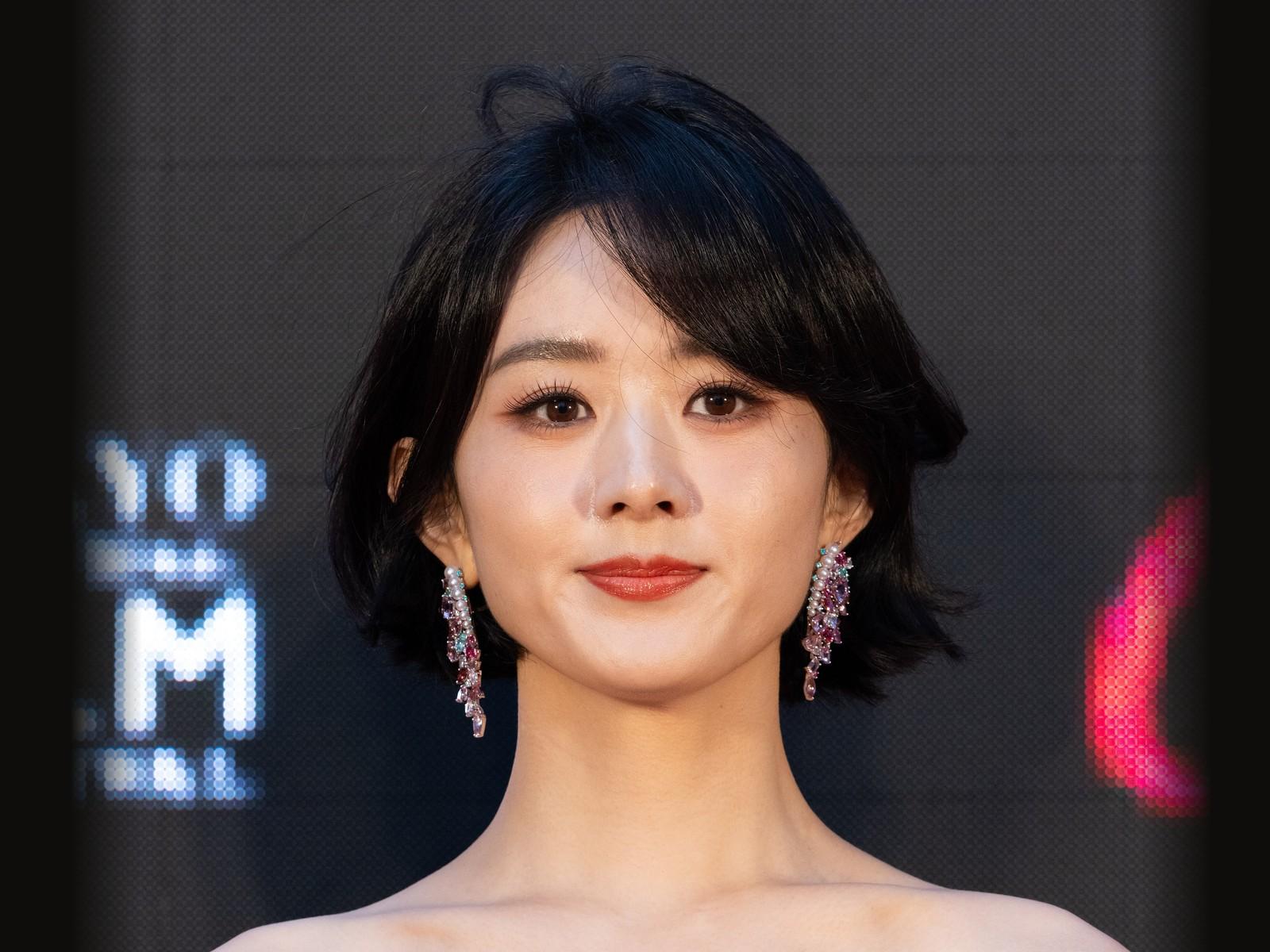
Zhao Liying sues Hongguo's operator and Douyin over her portrait, testing China's recognizable AI face rule

Zhao Liying sued the company behind China's biggest short-drama app and its parent over her portrait. A March ruling already says a recognizable AI face counts, but no complaint is public and no ruling has been made.

Drafted by The Generated · Filed by The Generated

Zhao Liying has taken her face to court, and the defendant is not a small studio but the company behind China's biggest short-drama app, plus its parent. If the platform has to share the bill, every AI drama that borrows a famous face becomes the app's risk as well as the maker's.

The actress sued Beijing Bimo Liuxiang Technology, which runs Hongguo, its sole shareholder Beijing Douyin Information Service and one individual for infringing her portrait rights. Beijing's Mentougou District court heard the case online on Tuesday 10 November, according to a court hearing notice, and no ruling has been issued. Chinese media say the suit is about AI face-swapped microdramas, but no complaint or statement from her side has been published, and the notice itself lists only the parties, the court and the time.

Calling it the first case of its kind is wrong. In March the Beijing Internet Court ruled that an AI face does not have to be an exact copy to be someone's portrait if viewers can recognize the person, and that the platform which streamed it without reasonable review shared the liability. The producer in that case lost partly because it could not replay how its character was made when the court asked.

The evening before the hearing, Hongguo added a tool that asks creators to upload portrait licenses and ID to confirm rights to virtual likenesses, while saying a confirmation record is no absolute guarantee against rights risk. The paperwork is moving onto creators while the court decides how much liability stays with the platform. The RMB 810,000 figure circulating online belongs to her other suits, not this one.

Our take: the face is already the test in China. If Hongguo shares the bill, apps will pay for real review and licensed likenesses, and makers who keep generation records and cast with consent are the ones the biggest buyer will want.

Source: court hearing notice as reported; Beijing Internet Court; Hongguo, Nov 2026.

Read the full article: thegenerated.com/stories/zhao-liying-hongguo-portrait-suit-20261112

Provenance — Trending on Weibo: report opened in full, citing court announcements; Guandian: Chinese-language hearing report · Status: single-source, reported
Zhao Liying sues China's biggest short-drama app over her portrait
Note—003DevelopingFilm

The BFI is funding eight paid seats for UK indie filmmakers to test AI, with failures published

Falmouth's Lab to Slate pays eight filmmakers £5,000 each over two years and publishes what fails. Two of its three delivery partners sell AI production, and the tool list is not public.

Drafted by The Generated · Filed by The Generated

Britain's public film funder is now paying independent filmmakers to try AI on their own projects, on one condition: what they learn, failures included, gets published for everyone. Two of the three partners teaching the AI side also sell AI production, and nobody has said which tools count as safe.

The BFI announced about £650,000 of National Lottery money on November 11 for two AI and virtual production programs: £400,000 to the National Film and Television School and almost £250,000 to Falmouth University. Falmouth's Lab to Slate opened the same day. Eight UK indie filmmakers each get £5,000 over two years, a travel bursary, a named mentor, free AI tool licenses and workshops on IP and rights, and they keep full creative control and ownership of their work.

You need a scripted or documentary project in development, and no AI experience. At least half the seats go to under-represented groups and three quarters go outside London and the South East. Applications close at midday on December 7, with an online briefing on November 23. The film school's half has no public call yet.

Charismatic Studio and CinePro Lab, two of the three delivery partners, are commercial AI companies tied to the same entrepreneur, Guy Gadney. The guidelines say tools are chosen with participants and reviewed regularly, but the license list isn't public. Ask at the briefing which models you would learn on and whether your project material stays out of model training.

Our take: paying filmmakers to fail in public is the smartest AI money a funder has spent in a while. Publish the tool list, and other funders will copy the model.

Source: BFI release, Lab to Slate guidelines via Screen Cornwall, and Screen Daily, Nov 11, 2026.

Read the full article: thegenerated.com/stories/bfi-lab-to-slate-ai-filmmakers-20261112

Provenance — Screen Daily: funding split and programme; Screen Cornwall: Lab to Slate programme listing · Status: verified: MEDIUM (Screen Daily report, supported by a recipient programme listing)
The BFI will pay eight UK indie filmmakers to test AI on their own films

That’s all of Film today.

4 notes, filed as the record moved.

Hollywood & Film — archive

Also filed

Models1 note
Avid puts Google's Veo inside Media Composer, and Google sends the bill
Avid puts Google's Veo inside Media Composer at no Avid charge, and Google bills every job

Ready to Play generates, modifies and analyzes video in the bin for Media Composer Ultimate and Enterprise users. Avid charges nothing extra, but Google bills each job to the editor's own account at a price Avid does not publish.

VSCO puts its no generative training promise in writing
VSCO says users' photos won't train generative AI, but public posts can still train its search tools

VSCO's updated standards bar generative AI training on public and private posts from free and paid users. Public posts can still train non-generative tools like search and editing, and the policy cannot cover copies of your work made elsewhere.

Welch's Before the Toast is a five-episode holiday series for Instagram and TikTok
Welch's sells sparkling juice with a five-episode holiday microdrama on Instagram and TikTok

Before the Toast runs Nov 17 to Dec 8 with a recurring cast of 2000s TV actors. Welch's has not named the studio, the budget or any AI use, so it shows what brands ask for, not results.