Skip to content
Note—001DevelopingFilm

Shortical's License Your Face portal has signed no one and shows no terms

Shortical told TechCrunch its public face licensing portal has produced no signed contracts. Its only real-face series came from a direct deal with actor Aki Avni, whose fee is undisclosed.

Drafted by The Generated · Filed by The Generated

Shortical's public offer to license your face has not produced a single signed contract, the company told TechCrunch on 21 November. So is it a real opportunity for performers, or a sign-up sheet for faces with the terms still blank?

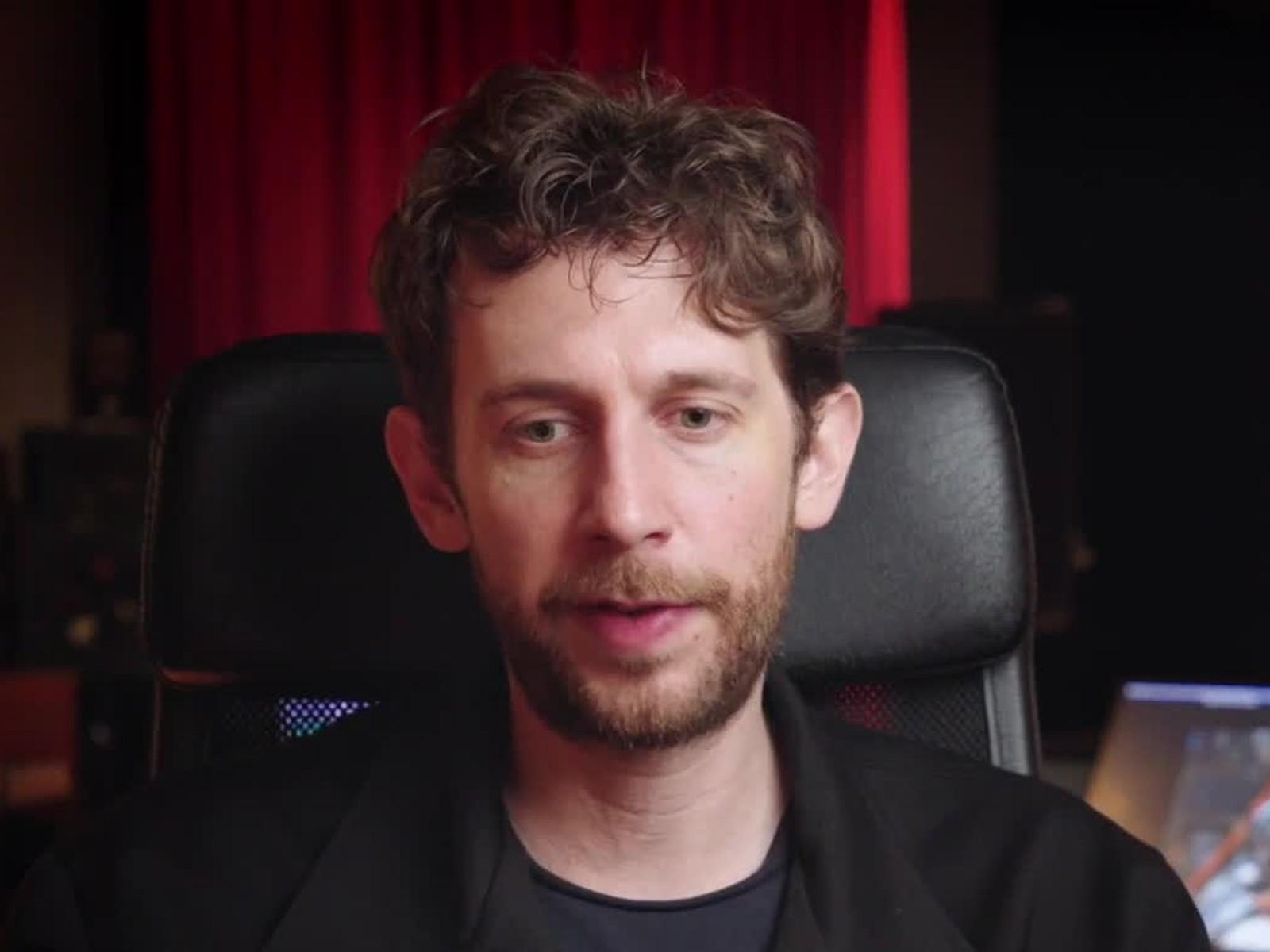
The Tel Aviv AI microdrama app says its only series built on a real person, Inevitable with Israeli actor Aki Avni, came from a direct deal with him, not through the portal. Avni came on as a partner and helped build his own digital double. Shortical won't share his fee and says it matched a comparable non-AI acting role, a claim nobody has checked.

The portal page itself reads like a casting call. You submit your social links, Shortical may review your profile picture, and if you fit it sends a contract it writes. The page names no rate and no term, and says nothing about deletion, model training or ads. On Chinese face platforms the talent usually sets the price first, from about $15 to $74 per episode on ActID.

Our take: until that page shows a rate and the terms a person would sign, the only real face deal here is the one Avni negotiated himself.

Source: TechCrunch, 21 Nov 2026; Shortical License Your Face page, read 23 Nov 2026; TheWrap; Rest of World.

Read the full article: thegenerated.com/stories/shortical-license-your-face-no-signed-contracts-20261123


Provenance — TechCrunch, 21 Nov, opened; TheWrap premiere report, 13 Nov, search excerpt · Status: single-source, reported
Shortical's License Your Face portal has signed no one and shows no terms
Note—004DevelopingFilm

AI-generated The Mermaid's Tear tops the paid microdrama chart for a second week

ReelShort's AI-generated series drew nearly 65 million views on Owl & Co.'s paid-app chart. Views are not paying viewers, and who made the series, and how, is not public.

Drafted by The Generated · Filed by The Generated

The most-watched microdrama on paid apps right now is a mermaid romance made with AI, and it has held the top spot for two weeks. For the actors and crews who built this format, the title at the top of the chart is one with nobody on screen.

ReelShort's The Mermaid's Tear drew nearly 65 million views on Owl & Co.'s Vertical Index, The Hollywood Reporter's chart page reported on Nov 23, up from nearly 57 million the week before. ReelShort describes it as an AI-generated original: 55 short episodes in which Freya, a sea goddess, serves out a three-year contract marriage to repay a fisherman's rescue, then walks away.

It tops a market that changed quickly. Owl & Co.'s third-quarter report found that two-thirds of vertical drama releases outside China that quarter were AI-generated, against 3 percent in the first quarter and 28 percent in the second.

Keep the number in scope. These are views on Owl & Co.'s count across apps that charge for episodes, not 65 million paying viewers, and the chart does not say how many people watched or how far they got. Who made the series, and with which tools, is not public.

The third-quarter report also found that at ReelShort, live-action titles are more likely than AI titles to stay in the top 10 percent by views 30 days after release. Our take: AI microdramas have shown they can pull a crowd fast, and whether they hold one is the test this chart cannot answer yet.

Source: The Hollywood Reporter charts and Owl & Co., Nov 23, 2026.

Provenance — THR charts, updated 23 Nov, opened; THR's corresponding X post · Status: single-source, reported
An AI-generated series tops the paid microdrama chart for a second week
Note—003DevelopingFilm

Datasea plans AI microdramas from Asian creators' scripts, with no titles or launch dates yet

Datasea's Delaware subsidiary plans to license scripts from creators in Japan, Malaysia and Singapore and make AI-assisted microdramas for US viewers. No titles, budgets or launch dates are announced.

Drafted by The Generated · Filed by The Generated

A Nasdaq-listed acoustics company says it will buy scripts from Asian writers and turn them into AI-assisted microdramas for American viewers. For anyone writing short serial drama in Japan, Malaysia or Singapore, that is a possible new buyer, though the announcement says nothing about what it will pay or when it starts.

Datasea Intelligent Technology announced on 23 November that its Delaware subsidiary, Datasea Acoustics LLC, will acquire scripts or license the rights to them, organize AI-assisted production, dubbing and subtitles in the United States, and release the episodes on YouTube, TikTok and X. Money could come from ad sharing, paid episodes or licensing, and the company says launch dates and target markets will depend on how its first tests perform.

The big numbers need their conditions. The $14 billion figure is Omdia's forecast for the whole global microdrama market across every way of making it, not for AI series or for Datasea's sales. The roughly $7.23 million is the value of AI services five existing customers have used, which the company itself says is not recognized revenue or cash collected.

A script buyer with no titles, budget or launch date is still a plan rather than a studio. If Datasea comes calling, ask who owns the AI-adapted version and whose name goes on screen before you license anything.

Source: Datasea Intelligent Technology release via PR Newswire, 23 Nov 2026; Omdia, 23 Feb 2026.

Provenance — Datasea release via PR Newswire, opened · Status: single-source, reported
An acoustics company plans AI microdramas from Asian creators' scripts.
Note—002FiledFilm

Gods Don't Give Gifts sells its crew to an audience that says it will not pay for an AI feature

In our X poll, 1,108 of 1,318 voters said they would not pay to see an AI feature, though most of its reach was paid promotion. The film's $15 fan nights sold out, hosted by a company producing it, so 22 January is the first test with strangers.

Drafted by The Generated · Filed by The Generated

1,108 of the 1,318 people who voted in our X poll said they would not pay to see an AI feature. Gods Don't Give Gifts is about to ask them anyway, and its makers have stopped selling the tool to do it.

The AI-animated feature from Zack London (Gossip Goblin) and Fable now opens worldwide on Friday 22 January with distributor AGC. Its $15 fan screenings with a director Q&A in Los Angeles and New York show "Sold Out", and London said the LA and San Francisco dates went "instantly". The same announcement launched a 22-minute behind-the-scenes documentary that puts the crew on camera: voice actors, composers, a sound designer and an editor who recuts picture or sound when the models drift from the recorded voices.

Read the numbers on both sides with care. Our poll is not a measure of moviegoers, because 91% of its impressions came from our paid promotion and voters chose themselves. The sold-out nights are hosted by FBRC.AI, which says it is executive producing the film, and no seat counts are published. The documentary also never names the AI tools, which is the next question skeptics will ask.

Our take: selling the crew instead of the technology is the smartest call this film has made. Fan rooms prove loyalty, not conversion, so the real test of whether a good story can change a no arrives on 22 January, in towns that have never heard of Gossip Goblin.

Source: Our X poll, 28 Oct to 3 Nov 2026; Zack London on X, 18 Nov 2026; FBRC.AI ticket pages and official site, 20 Nov 2026.

Read the full article: thegenerated.com/stories/gods-dont-give-gifts-sold-out-22-january-20261120

Provenance — Our X poll, 28 Oct to 3 Nov 2026; Zack London on X, 18 Nov 2026; FBRC.AI ticket pages and official site, 20 Nov 2026 · Status: verified 23 Nov 2026: built from the published article
Gods Don't Give Gifts
Film

Google Flow Filmathon names five finalists, and every entry is licensed forever

WIF India and Google Flow named five finalists for their first Filmathon, with screenings scheduled at IFFI Goa. The contest page gives Google and WIF India a royalty-free, perpetual, worldwide license to display all submitted films, and entrants paid for their own Flow access.

Drafted by The Generated · Filed by The Generated
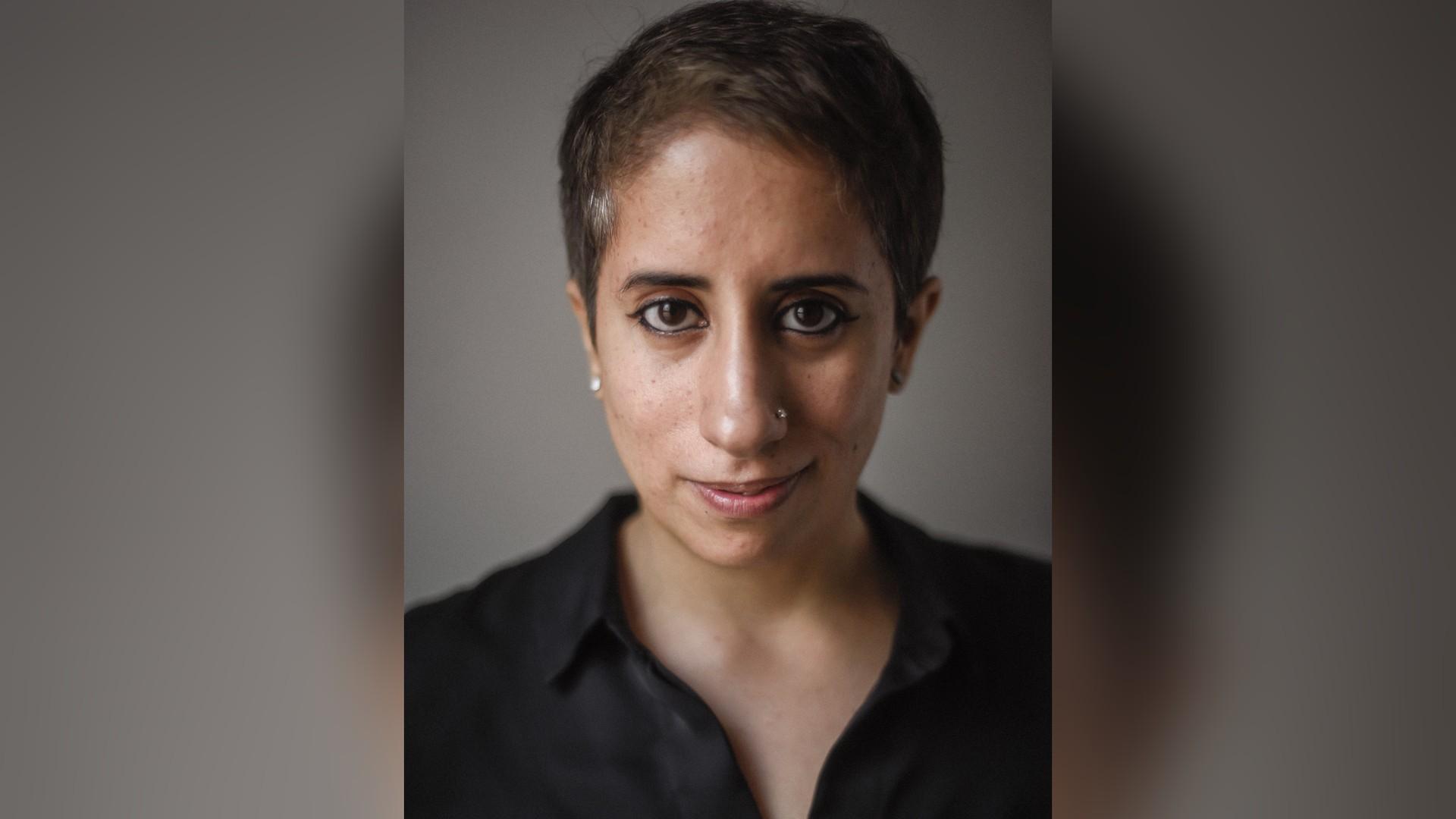
Guneet Monga Kapoor, founder of WIF India, in a black shirt, looking at the camera in a studio portrait against a grey background

Women in Film India and Google Flow named five finalists for their first Filmathon, Variety reported on Monday 23 November, and the five AI-assisted shorts were scheduled to screen that day at the International Film Festival of India in Goa. The open call drew more than 850 registrations, and women made three of the five films.

Enter a brand's AI film contest and the brand can show your film forever, win or lose, on a tool you paid for yourself. The contest page gives Google and WIF India a "royalty-free, perpetual, worldwide license to market, host, and display all submitted films," not just the five finalists. Entrants also paid for their own Google Flow access and had to keep its watermark visible. None of the five reports on the finalists we read (Variety, Filmmaking News, Live Media Online, The Rundown and Moviemag) mentioned the license, the tool costs or the cash prizes.

Keep reading — 5 min

That’s all of Film today.

4 notes, filed as the record moved.

Hollywood & Film — archive

Also filed

Models1 note
Plot Party's Snowglobe plans every shot in a browser 3D set, then a video model draws it
Plot Party's Snowglobe locks the 3D set but leaves the final shot to the video model

Snowglobe lets filmmakers block people and cameras in a browser 3D set, then sends the frames to a video model. Its continuity promise covers the set, and nobody has shown a matched final shot.

Where Dreams Drown
Minuit explains how Where Dreams Drown began with one image

In her first interview, Minuit explains how she builds a reversal, retries the generation and edits the best moments together.

Fortem Media now sells brands whole microdrama seasons, not one-off spots.
Fortem Media's Serials sells brands whole microdrama seasons, and AI studios now have to match it

Fortem Media's new Serials unit sells branded microdrama as recurring series judged on retention. It names no clients or prices yet, and its first series are due in the new year.