Skip to content
Note—006FiledFilm

Three US states now require AI labels on ads, but viewers in our poll want every AI use disclosed

New York, California and Pennsylvania ask for an AI label mainly when AI could mislead, while 87.8% of 1,333 voters in our paid X poll want films and ads to always say. The poll is self-selected and has no demographics.

Drafted by The Generated · Filed by The Generated

Grimes's Accelerando video credits at least three AI artists alongside its dancers, choreographer and makeup team. Asked what those artists actually did, the team defended their work without naming a shot or a tool, and that gap is what viewers now notice: a vague credit can read as something hidden, even when no rule asked for anything.

The rules are moving, slowly. Pennsylvania signed an AI advertising disclosure law on October 22, the third US state after New York and California, whose version was written by state Senator Angelique Ashby and takes effect January 1. All three ask for a label mainly when AI could mislead, such as a realistic synthetic person selling a product. Audiences set the bar higher. In our X poll, 87.8% of 1,333 voters said films and ads should always say when they used AI. That poll was boosted with paid promotion and has no demographics, but two larger surveys point the same way: 90% of 2,001 UK 16 to 24 year olds for the British Council, and 74% of about 1,000 US adults for Cint.

Disclosure has a cost too. Across 16 experiments, Michigan Ross researchers found an AI label cut ratings of identical writing by 6.2% on average. That is the argument for a specific credit over a bare label, because viewers dislike AI people far more than AI scenery, and saying which one you used tells them what they actually want to know.

Our take: disclosure is turning into a craft credit. Name the task AI did, what stayed human and who did the AI work, and the credit reads like a crew list instead of a confession.

Source: Pennsylvania SB 806; California SB 1050; our Generated Voices X poll, Oct 21 to 27, 2026; British Council; Cint; Michigan Ross; Business Insider.

Read the full article: thegenerated.com/stories/ai-disclosure-laws-vs-viewers-ai-credit-20261110
Provenance — Pennsylvania SB 806; California SB 1050; our Generated Voices X poll, Oct 21 to 27, 2026; British Council; Cint; Michigan Ross; Business Insider · Status: verified 10 Nov 2026: built only from the published article
Viewers want every AI use labeled. The new laws ask for far less
LeadNote—001DevelopingFilm

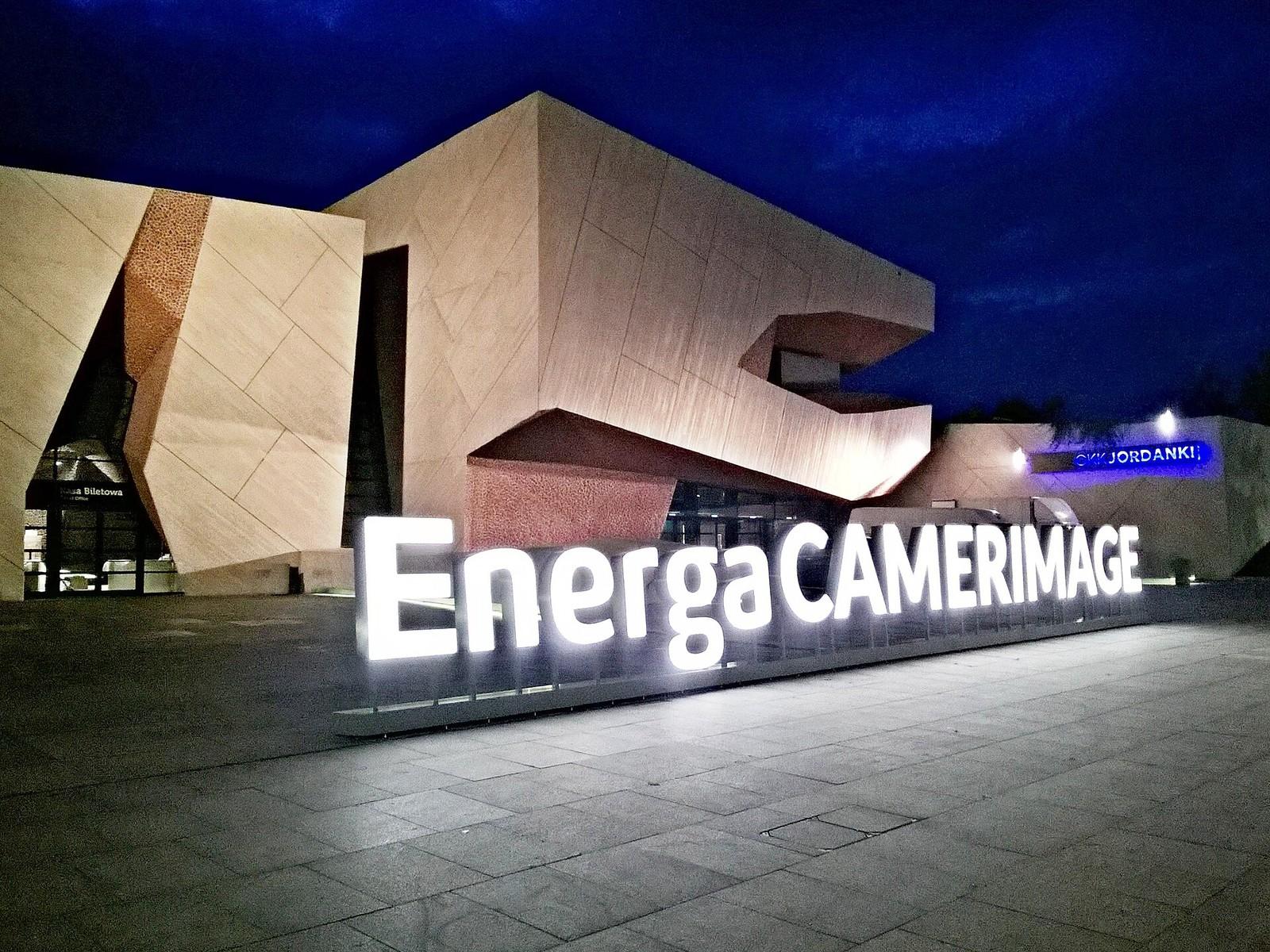
Cinematographers at Camerimage push back on greybox shoots, where AI adds the lighting after the shoot

At Camerimage, cinematographers say greybox shoots, where actors are filmed on plain sets and AI adds the sets and lighting later, move the look of a film into post. The Bitcoin detail rests on one IndieWire line.

Drafted by The Generated · Filed by The Generated

Asked whether he enjoys greybox work, cinematographer Bartosz Nalazek didn't hesitate: "Totally not. It's horrible, I'm brain-dead." For people whose craft is light, the fear at Camerimage this week is that the job shrinks to setting up a blank frame for someone else to finish.

Greybox is the word the festival keeps returning to. Actors are filmed on a plain, neutral set, and AI adds the production design and the lighting afterward. IndieWire reports it was used on Doug Liman's upcoming Bitcoin and is spreading to other projects, and Nalazek says a major TV show he just wrapped shot 40 percent of its scenes that way. Cinematographers describe directors asking for the softest, most generic light on set, not because it looks best but because it leaves the cleanest canvas for changes later.

Nobody in Toruń is pretending the method is useless. It takes weather and locations out of the schedule, and speakers who have worked on these sets point out that the productions still hire hundreds of crew. The festival has drawn its own line, too: Marek Żydowicz, its founder, told The Hollywood Reporter that Camerimage does not accept films generated entirely by AI and favors hybrid films where the live actors decide how far AI may change their images.

Our take: greybox doesn't remove lighting, it moves it to post. Whoever sets the look there owns the image, a seat open to cinematographers and AI creators alike. What nobody at the festival has answered yet is whether the people who light for a living will be the ones sitting in it.

Source: IndieWire, Nov 9, 2026; The Hollywood Reporter and Deadline, Nov 8, 2026. Camerimage runs in Toruń through Nov 14.

Provenance — IndieWire: Cinematographers' favourite festival is all about AI this year, but artists still hate the tech; Deadline: Camerimage opening ceremony; To Their Credit: Camerimage puts AI on stage and under scrutiny · Status: verified: HIGH (IndieWire + Deadline + To Their Credit)
Cinematographers push back on greybox shoots
Note—002DevelopingFilm

Disney names Adobe its AI partner, with private models trained on Disney characters

Adobe will build Firefly Foundry models on Disney characters, environments and styles that only Disney staff can use. No value, term or film title was disclosed, and the parks sketch tool dates from June.

Drafted by The Generated · Filed by The Generated

Disney has decided how AI gets near its characters: inside models it owns, and nowhere else. For independent creators that means studio-grade tools behind a locked door, while Disney keeps suing the open tools that trained on its films.

On Monday Disney named Adobe its Official AI Innovation Partner in a multi-year deal. Adobe will build private Firefly Foundry models trained on Disney characters, environments and visual styles, and Reuters reported they will be proprietary to Disney. Neither company disclosed a value, a term or a film title.

The sketch-to-concept-art tool getting the headlines is five months old: Imagineering announced it in June. What is new is the partner title, work with StudioLAB, the Walt Disney Studios innovation hub whose first projects are custom models for post-production and VFX, and projects with the ESPN archive.

Disney's quote came from its head of Corporate Alliances, the team that runs brand partnerships, and Adobe will grow its presence across Disney's media platforms. It reads as much like a sponsorship as a technology choice, though nobody has said which way the money moves.

It also runs the opposite way to Disney's last AI deal. The Sora license pushed characters out to fans until OpenAI shut Sora in March. This one pulls AI inside, where only Disney staff can touch it.

Our take: this is a template for control, not access. Fan work with Disney characters is no safer than it was last week, so build your own visual library and style, because nobody is licensing theirs to you.

Source: Adobe newsroom and Reuters, Nov 9, 2026.

Read the full article: thegenerated.com/stories/disney-adobe-ai-partner-private-models-20261110

Provenance — Variety: Disney taps Adobe as 'Official AI Innovation Partner' under multiyear pact; The Verge: Disney and Adobe are building generative AI tools together; Cartoon Brew: Disney partners with Adobe on AI tools that turn artists' sketches into finished concept art; Adobe newsroom release · Status: verified: HIGH (Variety + The Verge + Cartoon Brew + Adobe release)
Disney's new AI partner builds models only Disney can use
Note—003DevelopingFilm

Ellison calls AI a creative unlock while Skydance's filing counts it only as savings

Skydance's CEO told investors AI could matter more than CGI for original films. The shareholder letter filed the same day books AI only as cost cuts and merger speed, and he named no tool.

Drafted by The Generated · Filed by The Generated

Skydance's chief made the indie AI filmmaker's pitch to Wall Street on Monday, then his company wrote AI down as something else. For makers hoping studios will fund cheaper original bets, the gap between what was said and what was filed is the story.

On Skydance's first earnings call since it bought Warner Bros. Discovery, David Ellison said AI "really has the potential to be the biggest creative unlock in modern history," bigger than the CGI wave of the early 1990s. His example was The Terminator: made for $4 million, and by his estimate "$60 million-$70 million" to shoot shot for shot today. Cheaper tools, he argued, make the risk of original stories "more digestible."

The shareholder letter filed with the SEC the same day is narrower. AI appears three times, all as savings: back-office AI inside an overhead cut of at least $2.2 billion, coding tools inside a $1.4 billion technology cut, and the reason Paramount+ and HBO Max can be folded together in about a year. Ellison said Skydance is developing AI tools but named none, and the AI question was picked in advance and read out before the live Q&A.

His own math needs a footnote as well. The Terminator was budgeted at $4 million but finished at about $6.4 million, and Skydance's two Terminator sequels cost $155 million and $185 million.

Our take: Ellison is right that AI lowers the price of a risky idea, and it matters that he says so out loud. Until a budget line or a named production carries that unlock, read it as a pitch to investors rather than an open door for filmmakers.

Source: Skydance Q3 2026 call transcript and shareholder letter (SEC Form 8-K), Nov 9, 2026.

Read the full article: thegenerated.com/stories/ellison-ai-creative-unlock-skydance-filing-20261110

Provenance — The Verge: Ellison says AI could be the 'biggest creative unlock in modern history'; Hollywood Reporter: David Ellison is very bullish on AI's creative potential; Q3 2026 call transcript (StockAnalysis) · Status: verified: HIGH (The Verge + Hollywood Reporter + call transcript)
Skydance's CEO pitched AI as a creative unlock. The filing books it as savings
Note—004DevelopingFilm

An AI knockoff of El Empleo went viral, then sent viewers to a $49 monthly course

An Instagram account's AI remake of the award-winning short El Empleo came down after co-director Patricio Plaza objected. The reported 5 million views are unverified, and the account denies being paid by the course it promoted.

Drafted by The Generated · Filed by The Generated

An AI remake of El Empleo, the award-winning 2008 Argentine short, reportedly hit 5 million views in under a day. Then its caption turned that audience into leads for a $49-a-month course, and every honest AI maker pays when viewers learn to read a viral AI post as a sales pitch.

The Instagram account Nightframe, with about 16,000 followers, posted a 30-second photoreal restaging of the hand-drawn short by Santiago Bou Grasso and Patricio Plaza, which won the FIPRESCI prize for short films at Annecy in 2009. The caption told viewers to send the word AI to learn how it was made. That opened an automated chat in Nightframe's own inbox, which asked people to follow the account before it sent a link to AI Film School, a paid online community.

Plaza objected and the video came down. He said the account was infringing the film's copyright to make an AI business go viral, which is his view of the law, not a ruling. The operator told Cartoon Brew they are a student running the page as a hobby, that the original was credited, and that the school has never paid them. We are not alleging a payment, and the 5 million figure is reported: no screenshot shows it.

Our take: crediting a film is not permission to remake it. A restaging of someone's whole short is an adaptation, and once the post sells a course it is marketing built on two animators' work. Ask before you adapt a short, and show how you work on original pieces.

Source: Cartoon Brew, Nov 9, 2026; Instagram; Skool.

Read the full article: thegenerated.com/stories/el-empleo-ai-knockoff-course-funnel-20261110

Provenance — Cartoon Brew: AI account rips off award-winning 2008 short 'El Empleo' to promote $49-a-month filmmaking classes (EXCLUSIVE) · Status: single-source, reported
An AI knockoff of El Empleo went viral, then sold a course
Note—005DevelopingFilm

Alex Proyas takes over the AI-enabled Antonio Banderas epic Cortés after filming began

Alex Proyas, who says AI will change film the way sound did, replaced Paul Mignot as director of Cortés weeks into filming. Nobody has said why, which shots use AI, or what the film costs.

Drafted by The Generated · Filed by The Generated

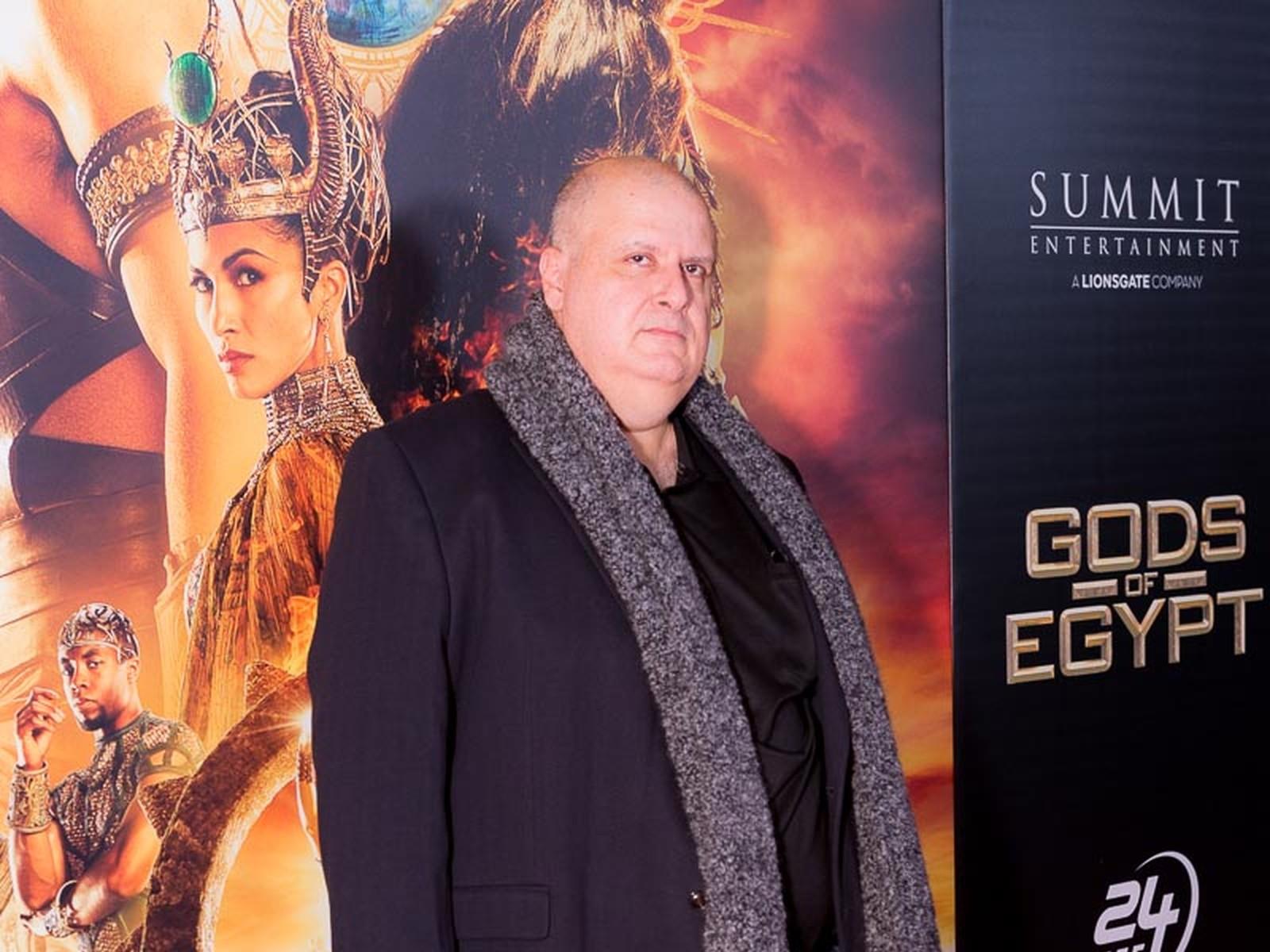
Alex Proyas is now directing 'Cortés', the Antonio Banderas epic its producers call AI-enabled. He is the film's third named director since it was announced, and the first to argue for AI in public.

Filming began in Paris and Spain a few weeks ago under French director Paul Mignot ('Vaincre ou mourir'). Proyas has since taken over. The production says Mignot "remains attached to the project in another capacity" and gave no reason for the change. When Utopai Studios first announced the film in 2025, production designer Kirk Petruccelli was set to direct it. Nicholas Kazan wrote the script, Marco Weber produces, and Utopai and Ex Machina Studios co-finance.

Proyas made 'The Crow', 'Dark City' and 'I, Robot', and has not released a feature as director since 'Gods of Egypt' in 2016. In June he told the Sydney Morning Herald that Guillermo del Toro is "absolutely wrong" about AI, and compared this moment to the arrival of talking pictures. His model, on his own Ex Machina film 'Heaven', is real actors on a real set with "a much diminished crew," and AI building the world around them.

The sale is the next test. K5 International is offering 'Cortés' to buyers in Europe, Latin America, Australia and New Zealand at the American Film Market, and Utopai keeps North America and Asia.

Our take: a known genre director who wants these tools is the strongest pitch an AI-enabled feature has had. The evidence is still missing. Nobody has said which shots will be generated, what the film costs, or why the director changed after filming began.

Source: Deadline, Nov 9, 2026; Sydney Morning Herald, June 2026; Variety, 2025.

Provenance — Deadline: Alex Proyas takes over directing duties on AI-enabled 'Cortés'; ComingSoon: Proyas boards 'AI-enabled' Banderas movie after previous director exits · Status: single-source, reported
Alex Proyas takes over 'Cortés' after filming began
Film

DISRUPT says 487 AI film entries, but only 73 of last year's were Australian

TBWA Australia's DISRUPT AI Film Festival says 487 films entered its second edition, up 31%. Its own white paper found only 73 of last year's 371 entries were Australian, the only films that can win, and this year's release doesn't break out that number while the prize per award fell to A$2,500.

Drafted by The Generated · Filed by The Generated
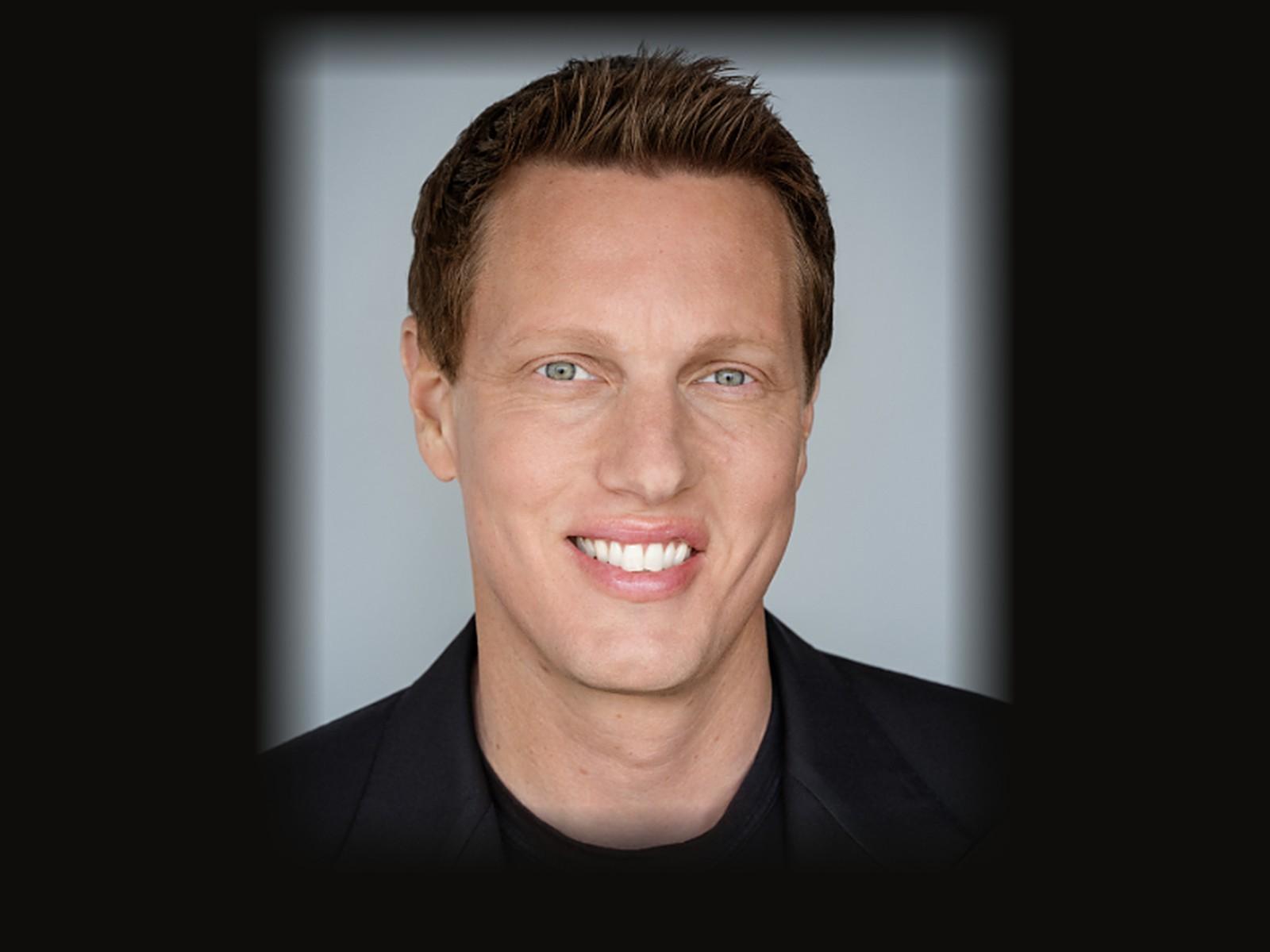
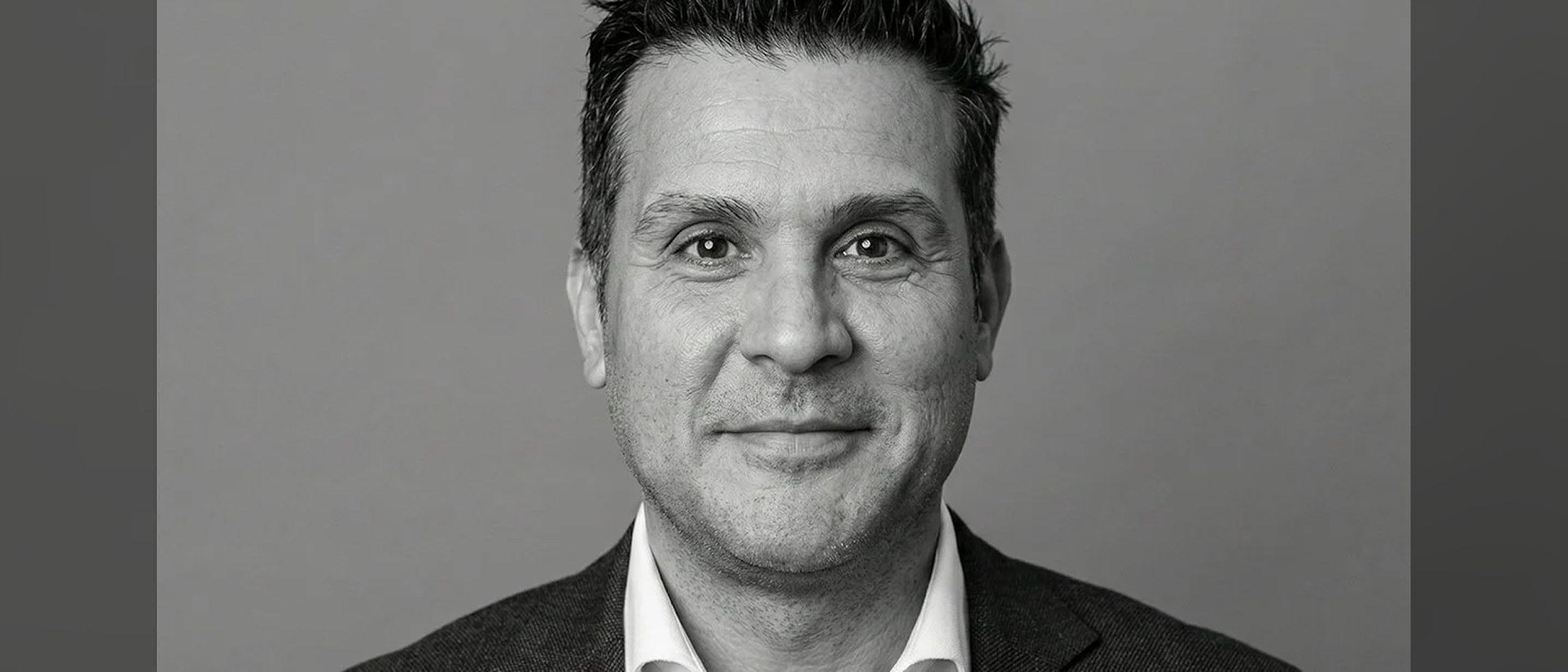
Black and white headshot of Lucio Ribeiro, co-founder of the DISRUPT AI Film Festival and chief AI and innovation officer at TBWA Australia

TBWA Australia's DISRUPT AI Film Festival says its second edition drew 487 entries, up 31% from 371 in 2025, the agency announced on Tuesday 10 November. A 12-person jury chaired by TBWA creative chief Paul Reardon has judged the films, and winners will be named at The Capitol in Melbourne on Wednesday 18 November.

That number tells you how far the call reached, not how big Australia's AI film scene is. The festival only awards Australian residents, and the white paper it published with Deakin and Swinburne universities counts just 73 Australian films among last year's 371, with overseas entries outnumbering them more than four to one. The release does not say how many of this year's 487 can actually win. The prize also shrank: A$2,500 per award this year, down from the $5,000 TBWA says each 2025 winner received.

Keep reading — 5 min

That’s all of Film today.

6 notes, filed as the record moved.

Hollywood & Film — archive

Also filed

Models1 note
ByteDance's Seedream 5.5 is built to survive 100 rounds of edits
ByteDance's Seedream 5.5 promises 100 rounds of image edits that leave the rest of the frame alone

ByteDance's new image model claims stable edits across 100 rounds and transparent output, and Higgsfield added it the same day. Every score is ByteDance's own, and there is no ByteDance price outside China yet.

One scene, two AI video tools, two different strengths
Microdrama maker finds Seedance smooth on dialogue, Grok better on accents

Antonio Brice ran one microdrama scene through Seedance 2.5 and Grok Imagine and reports smoother dialogue from Seedance but correct accents only from Grok. It is one maker's uncontrolled test at different resolutions, not a benchmark.

CAA and Ogilvy will make celebrity ads from licensed digital doubles
CAA and Ogilvy launch ECHO, letting brands make AI ads from licensed celebrity scans

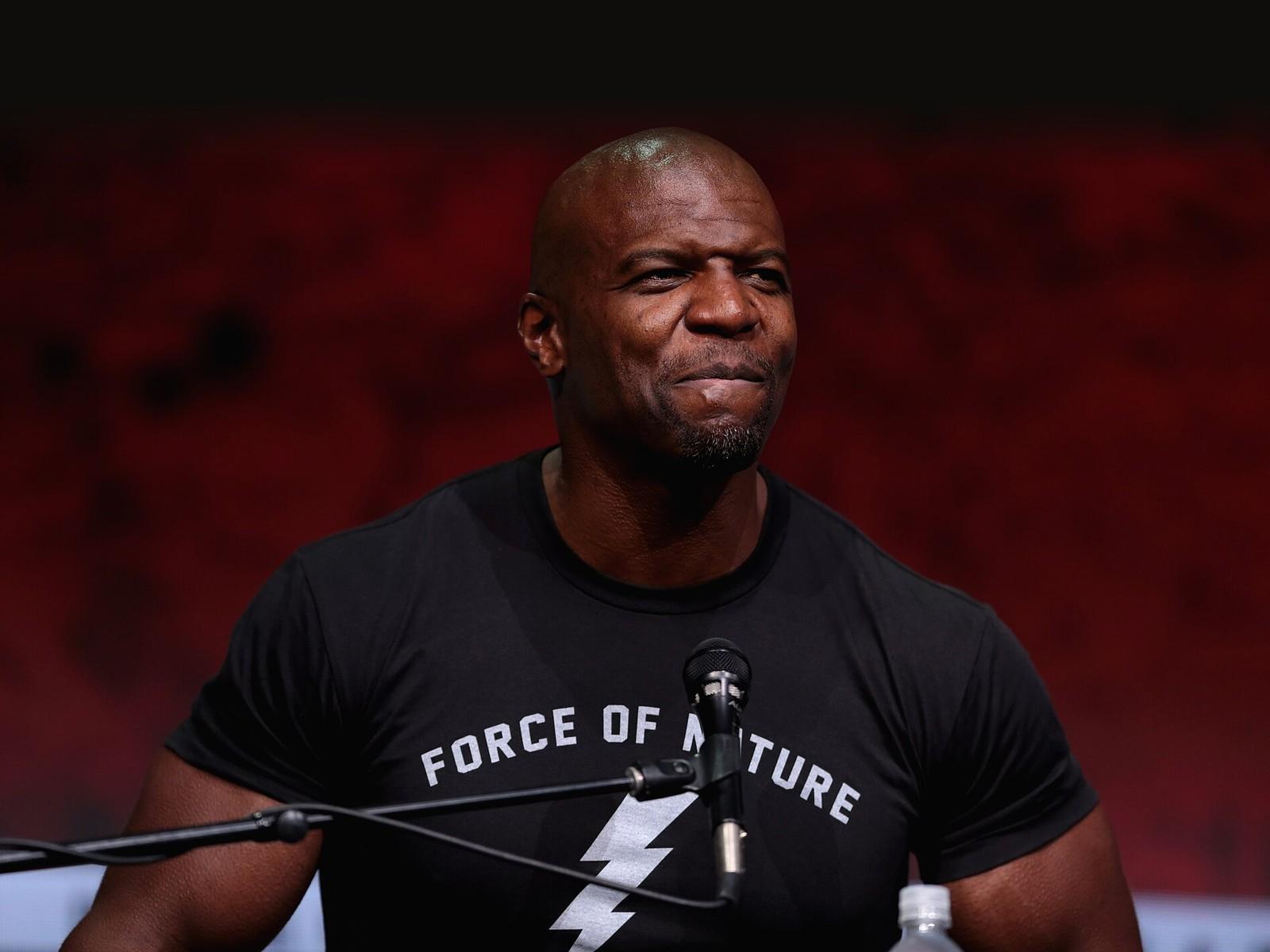
Ogilvy's ECHO builds ads from scans kept in The CAA Vault, and the star must approve every asset before release. Terry Crews is the only reported talent so far, no brands are named, and the cost savings are the companies' own estimates.