DramaWave's writers join the WGA while its parent says over 90% of July's new shows were AI-generated
DramaWave's 27 microdrama writers organized with the WGA after a card check and want to bargain over pay, job security, credit and AI guardrails. Nothing is agreed and no dates are set. Parent Kunlun Tech says over 90% of the series DramaWave added in July were AI-generated, so the fight is over credit inside AI production.
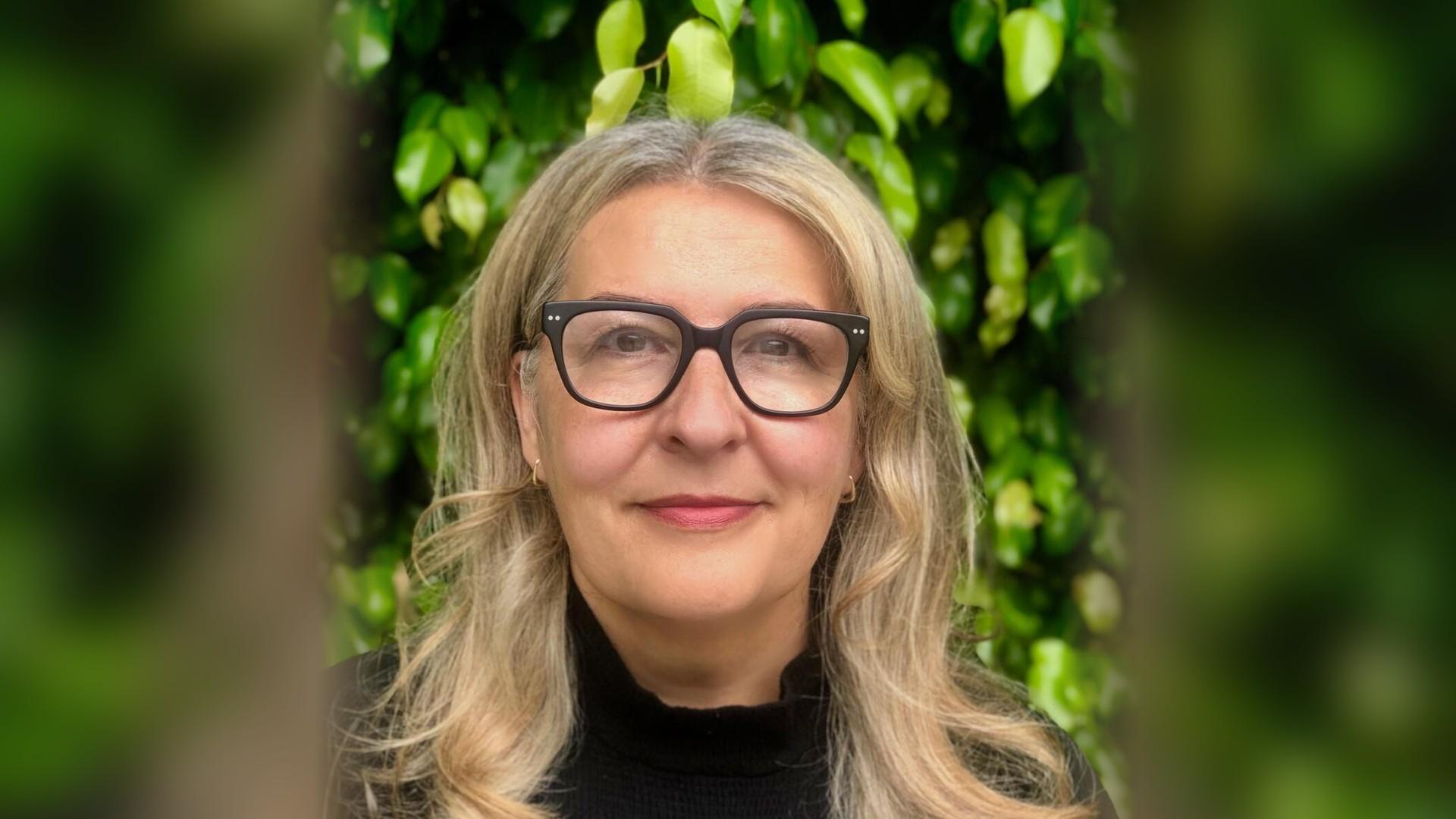
DramaWave's 27 writers have organized with the Writers Guild of America (WGA), the guild announced on Monday 16 November, after a card check the microdrama app agreed to honor. They want to bargain over pay and benefits, job security, a fair crediting system and "guardrails on the use of AI in writing." No bargaining dates are set.
These writers are not bargaining to keep AI out, because they already work beside it. DramaWave's parent, Shenzhen-listed Kunlun Tech, says in its 2026 half-year report that more than 90% of the series DramaWave added in July were AI-generated. A contract cannot vote AI off a platform, but it can make the human script the recognized source of an AI show, so generated output cannot be used to cut a writer's credit or pay. Of the four reports we read, the WGA release, Deadline, the LA Times and TheWrap, none mentioned Kunlun or the AI slate.
What the writers asked for
Organizing began in July, a committee formed in August, and the writers sent a recognition letter on Wednesday 28 October. DramaWave agreed to recognize the union pending a card check, so there was no election. The staff is remote, with most writers in Los Angeles, according to the LA Times, and DramaWave, which launched in 2024, offers more than 30,000 microdramas in 18 languages.
Senior writer Peter Forbes, on the organizing committee, said in the release that the writers want "a voice on the job and the protections and benefits a union contract can provide," and that DramaWave "did the right thing by quickly recognizing the union." He gave the LA Times a sharper version, citing the cost of healthcare: "It's a natural evolution for microdramas to become union. It's not sustainable." WGA West president Michele Mulroney framed it as jobs policy: "Microdramas are a growing part of the entertainment industry and it's critical that these writing jobs be union jobs."
A platform already making AI shows
Kunlun's half-year report, which we read in Chinese, says DramaWave has "completed its AI-native transformation" and that over 90% of its July new releases were AI-generated (our translation). That is the company's own figure for one month of new series, not the whole catalog. In May, CEO Han Fang told MIT Technology Review he wanted AI work at 20% of the platform and would keep making shows with real actors, which measures something different. The same report says DramaWave and sister app FreeReels booked CNY 1.53 billion in revenue in the first half, up 163%.
The writing team's own job ads, posted around 20 August by lead writer Rachel Zilberg, put it plainly: "We're working on both live-action and generative AI shows." The duties include helping "shape character, costume, location, creature, and world assets from the script-development stage" on AI projects. Kunlun's production tool, SkyProduction, takes a script as its input and runs it through video models including Seedance and Kling. The script is where these writers sit.
What guardrails could mean
Nothing is agreed, and nobody knows yet whether DramaWave will sign the guild's main film and TV contract or a first contract of its own. The nearest benchmark is what the WGA won from the studios in 2023 and kept in 2026. Those terms bind signatory companies only:
- AI is not a writer, and AI output does not count as literary or source material, so it cannot be used to cut a writer's credit.
- A writer may use AI with the company's consent, but the company cannot require it.
- A company must disclose any AI-generated material it hands a writer.
- Since 2026, the guild gets written notice if scripts are licensed to train a commercial AI system.
At DramaWave those clauses would land on daily work. The open question for bargaining is whether an AI series built from a staff writer's script carries a writing credit, and who owns the character and world assets that writer helped design.
How the first claim holds up
The weakest part of the coverage is the word first. The WGA release never uses it. The LA Times called this the first full-time microdrama staff recognized by the union, and TheWrap said much the same while noting that guild writers have written microdramas freelance before. The WGA's own guidance says vertical series work is generally covered by its contract as original new media. First full-time staff is the defensible version.
What it means for AI creators
The same app runs a different deal for outsiders. DramaWave's Million Dollar Award for AI Short Drama, open from February to May, required at least 70% of each entry's running time to be AI-generated, and its rules hand the copyright in every shortlisted and winning work, including all submitted content, to the organizer. Staff writers are now bargaining over credit while outside AI creators feeding the same catalog sign their rights away. Whatever DramaWave agrees on credit for AI series will become the first labor marker for how AI microdrama work gets credited, and independent creators should read their contest and commission terms with that marker in mind.
Our take
This is the first guild fight inside an AI production line, not against one. If the writers win credit on AI series, the script becomes the asset platforms have to pay for, and that protects every creator who writes before they generate.
Timeline
- Date: Mon 23 Sep 2024. Event: DramaWave launches worldwide on iOS; Source: streaming-radar citing Sensor Tower
- Date: Tue 10 Feb 2026. Event: DramaWave AI short drama contest opens (to 31 May); Source: DramaWave contest rules
- Date: Fri 15 May 2026. Event: Kunlun CEO Han Fang sets a 20% AI target for the platform; Source: MIT Technology Review
- Date: July 2026. Event: Organizing begins; Kunlun says over 90% of July new releases were AI-generated; Source: WGA release; Kunlun half-year report
- Date: About 20 Aug 2026. Event: Organizing committee forms; DramaWave job ads cite live-action and generative AI shows; Source: WGA release; job ads
- Date: Wed 28 Oct 2026. Event: Writers send the recognition letter; Source: WGA release
- Date: Mon 16 Nov 2026. Event: Card check completed; the WGA announces; trades report that evening; Source: WGA release; Deadline, LA Times, TheWrap
Sources and what is unconfirmed: WGA release, 16 Nov 2026; Deadline, LA Times and TheWrap, 16 Nov 2026; Kunlun Tech 2026 half-year report (Chinese, our translation); MIT Technology Review, 15 May 2026; DramaWave job ads via Mediabistro mirrors of LinkedIn posts; DramaWave contest rules; WGA artificial intelligence and verticals guidance. Unconfirmed: what share of each writer's own work is AI production, whether the 27 include lead writers, and DramaWave's view. DramaWave has not commented, and we did not contact it or the guild.