Fincher says AI cleaned up Cliff Booth's dialogue, but the disputed shots are still unexplained
David Fincher has now described two AI uses in Cliff Booth, both on dialogue: cleaning up the tracks in one scene, and telling editor Kirk Baxter AI could re-lip a take if a cut-away failed. The interview predates the backlash, so the stunts, montages and period footage viewers question were never put to him, and Netflix still hasn't said which shots used generative tools.
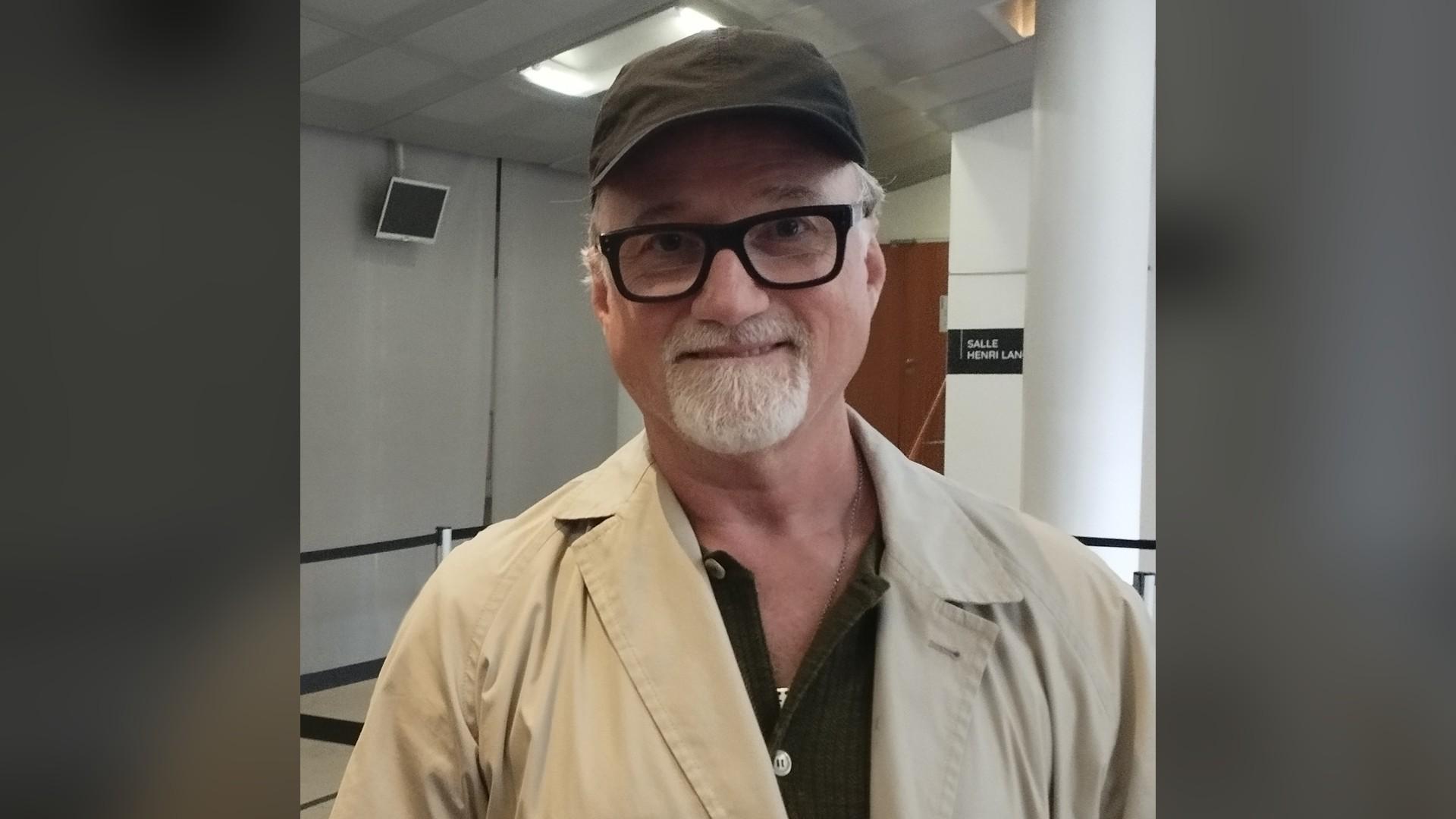
David Fincher said AI cleaned up the dialogue tracks in one scene of The Further Mis-Adventures of Cliff Booth, speaking on The Ringer's The Big Picture podcast on Wednesday. He also said he told editor Kirk Baxter that AI could re-lip a take "if we have to", and put conventional ADR at "maybe 5%" of the film.
It's the first time Fincher has described AI work on this film, and it's a useful look at hybrid post. But describing one workflow isn't the same as disclosing a film. The interview was recorded before the backlash, so the shots viewers dispute, from stunt sequences to period TV footage, were never put to him. Netflix still hasn't said which shots used generative tools. And Variety's write-up, one of six we read, stretched his "all AI" to the rest of the film's dialogue. On the audio, it answers a question about one scene.
What Fincher said
Host Sean Fennessey told Fincher there was one scene where he felt he was "clocking it", because the dialogue sounded re-recorded. Fincher corrected him. "That's all AI. We used AI to clean up those tracks," he said, adding that the kids in the background were recorded separately, "at, like, a Chuck E. Cheese or someplace like that." Just before that, he estimated the film had four or five days of looping and that "the ADR on this movie is maybe 5%." Two of the six write-ups we read, The Playlist and World of Reel, tied the "all AI" line to that one scene, as the audio does.
Later in the interview, he explained the instruction he'd given Baxter. "If you like the visual performance and the audio performance in some way doesn't measure up, take the audio performance from another take," Fincher said, "and then let's look at whether we can cut away, or if we have to, we could use AI to re-lip that thing." He called it working with plasticine rather than marble, and boiled the job down to one question: "What is the best thing on the eye, and then what is the best thing on the ear?"
He said they found a way "in most cases" and admitted "there's a couple of shots" that "didn't quite work, but they're getting there."
What he didn't say
Fincher didn't say how many shots were re-lipped, or that any were. "In most cases" covers every fix he listed, so it could mean a cut-away, a re-sync or AI. He named no tool for Cliff Booth. His line about shooting a master "20, 25 times" and deriving the close-ups in AI was a forecast for the next year, not a description of how this film was made.
Whether those last couple of shots will be fixed before the film reaches Netflix on 23 December is the shakiest part of the exchange. The audio is crosstalk at that point, and Variety prints it as "By the time it's on service." We can't confirm it says that.
The questions he hasn't answered
Fennessey said on the same episode that the AI controversy "had not broken" when they spoke, and that he "probably would have talked about it even more" if he'd seen the discussion points. So the specific complaints, Scott Caan's stunt sequences, a horse-drawn carriage in the trailer, photographic montages and period TV footage, were never on the table.
Fincher has been asked since. Dazed asked him directly on 24 November whether he used AI on Cliff Booth, and he answered with questions. El País asked him at the London premiere about AI recreating 1977 Los Angeles and the TV footage, and he said the debate "masks a culture war; it has nothing to do with movies." Neither answer confirms or denies anything. According to The Verge and The Playlist, Netflix hasn't clarified anything either. The only production-side trace is still an end credit that one critic reads as "generative supervisor" and the AV Club as "generative consultant", with nobody named.
What creators can learn from it
Fincher's method feels a lot like what plenty of AI filmmakers already do with lip-sync and voice tools, just with a bigger budget and a stricter order. Pick the best performance for the eye and the best for the ear, try to cut away first, use AI to close the sync gap only when nothing else works, and be upfront about the shots that still aren't right. That order keeps the actor's real performance in charge and treats AI as the repair, which is a method worth learning from on any hybrid project.
Our take: this is the most concrete account a director of his standing has given of AI inside a current release, and he deserves credit for being specific. It still leaves the audience doing detective work on every shot nobody's explained. A short shot list, saying which shots, which tool and whose call, would settle more than another interview, and Netflix is the one holding it.
Timeline
- Date: 11 Mar 2026. What happened: Bloomberg reports Fincher used InterPositive tools on an upcoming film starring Brad Pitt. Netflix later buys InterPositive.
- Date: 19 Nov 2026. What happened: Earliest viewer complaint about AI in Cliff Booth that we found.
- Date: 23 Nov 2026. What happened: We report that Fincher's LA Times "not a Luddite" remark never mentioned Cliff Booth.
- Date: 24 Nov 2026. What happened: Dazed asks Fincher directly about AI in the film; he answers with questions. The Verge reports Netflix neither confirmed nor denied.
- Date: 25 Nov 2026. What happened: The Big Picture episode publishes. Variety's write-up follows. El País interviews Fincher at the London premiere.
- Date: 26 Nov 2026. What happened: The Playlist reports no clarification from Netflix or Fincher on the contested images.
- Date: 23 Dec 2026. What happened: Cliff Booth arrives on Netflix.
Sources and what is unconfirmed: all Fincher and Fennessey quotes are from our own transcript of The Big Picture episode audio (The Ringer, 25 November 2026), checked by a second pass; no official transcript exists. The coverage sample was Variety, The Playlist, World of Reel, ComingSoon, AV Club and Polygon (The Playlist and ComingSoon read from excerpts). Also used: Dazed (24 November), El País (25 November), The Verge (24 November), Netflix Tudum for Baxter's editor credit, and our 23 November story. Unconfirmed: whether any shot was re-lipped with AI, whether the remaining shots will be fixed before the Netflix release, the name of the scene Fennessey singled out, and when the interview was recorded. We haven't seen the film and didn't contact Netflix for this piece. Neither Fincher, the production nor Netflix has said which shots used generative tools.