Instagram's Mosseri expects more AI anger, but his label rule is narrower than it looks
On Colin and Samir, Adam Mosseri predicted AI anger will keep growing, most of all in creative industries, though he called it his own experience and doubted it is a youth thing. The tape shows his label rule applies to AI-generated character accounts and dates from August, while his ranking remark describes a measurement gap rather than a penalty.
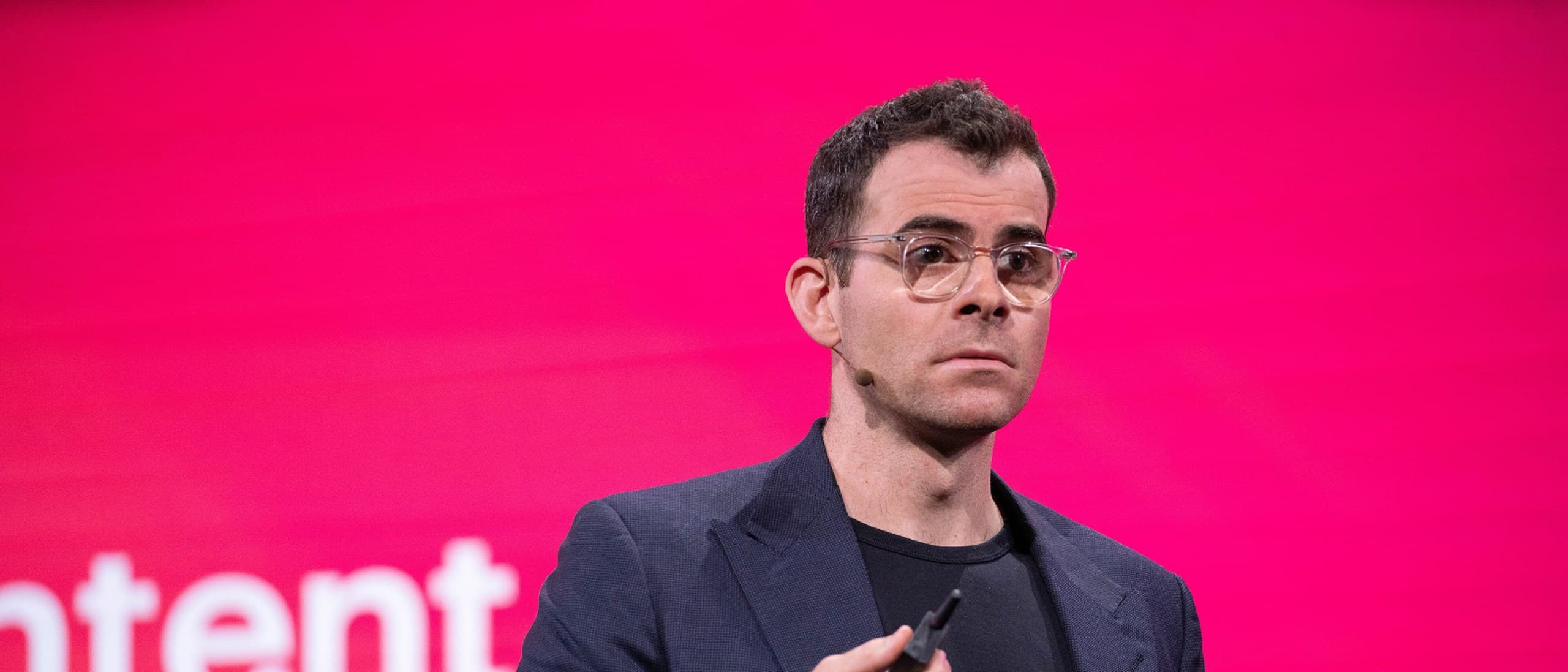
About an hour into a Colin and Samir episode that was meant to be about widescreen video, one of the hosts changed the subject to graduation season. He said it had been surprising to watch all the commencement speeches where audiences booed AI, and that the mood seemed to be getting worse with younger generations.
Adam Mosseri, the head of Instagram, didn't accept the youth part: "I've met a lot of young people who are really leaned in and a lot of people who are really anti, so I, I don't know if there's a correlation between young and anti-AI." He did accept the trend, and then he went further than the hosts had asked him to: "it's not only getting worse, it's gonna continue to get worse."
That is the line The Verge led with. The rest of the answer, and a separate point he made about labels, matter more if you post AI work on Instagram, because the label rule he described covers far fewer accounts than the write-ups suggest.
What he said, and what got trimmed
The episode, "Why Instagram Changed Its Mind on Long Form Video", went out on Monday 26 October. The Verge wrote up the AI section on Wednesday 28 October, and its quotes match the tape, though it smooths "gonna" into "going to" and leaves out two pieces of context. We pulled the audio from the show's own podcast feed and transcribed the AI section to check.
The first missing piece is geography. Mosseri described a US trend of "month over month, more anxiety and more... frustration and more anger about AI" across age groups and industries, and said it was "the most acute in creative industries, is my experience." He contrasted the US with China, which he called a country where AI is "just a popular technology with, you know, the broader population as best we can tell." His forecast is about the US, and it is his personal read. He cited no survey or internal data.
The second is his own doubt about the youth question, quoted above, which undercuts the framing the hosts brought in. He expects "more and more frustration and anger, um, some of it founded, some of it unfounded" over the next couple of years. When he got to the cause, he described a fear of being left behind by a new tech class of extremely rich people, and said the version of the answer he's excited about for Instagram "is giving creative people power."
The label rule covers AI characters, not AI filmmakers
The line most likely to worry AI creators came earlier, when one of the hosts asked whether an AI character account they had shown on screen is ranked differently from a human one. Mosseri said Instagram doesn't rank such accounts differently, "but we think it's important that people have information. And so we, we're now actually tr- starting to require AI accounts that are AI-generated characters to, like, label themselves as such."
The Verge's version drops the words "that are AI-generated characters," and the card that brought us this story read it as Instagram starting to make AI accounts label themselves. Both readings are broader than the rule, and the rule isn't new either.
Instagram launched a voluntary "AI creator" account label on 4 May 2026 for people who often post AI-generated or modified content. On 31 August it renamed that label "AI-generated profile" and narrowed it to profiles that feature an AI-generated person, according to The Verge, Android Central and Marketing-Interactive, which all quote the same Instagram post. Profiles that should carry the label and don't can lose recommendation eligibility, which means less reach in Reels and Explore to people who don't already follow them. Owners are notified and can appeal through Account Status. Creators who simply use AI tools in their creative process don't need the profile label.
So a filmmaker posting Seedance or Veo shorts under their own name is outside the self-label rule. An account whose face is a synthetic person is inside it. Individual posts are a separate system: Meta has attached "AI info" labels to content since May 2024, from tool metadata (the hidden data a file carries about the app that made it) or self-disclosure, and that can happen to anyone's post.
Mosseri admitted that second system misfires. "One of the ways to really get a lot of people angry is to label some real creators as AI creators by mistake," he said, because "any classifier has what we call false positives." One of the hosts said a carousel of his own had been classified as AI content, and Mosseri guessed it was "'cause something in the metadata from one of the tools you used."
The ranking line, read in full
The other quote doing the rounds is a question Mosseri asked himself: "do we rank AI content as well as we rank non-AI content? Probably not." Read alone, it sounds like a quiet penalty on AI work. On tape it is the start of an explanation about measurement, after he says there is "a lot of great AI content" and "a lot of AI slop," and that "We use that word too liberally."
His point is that any new group of content that appears quickly is ranked worse at first, because the system isn't yet good at predicting who will like it. He mentioned checking like rates and survey scores for AI content after adjusting for where it appears in the feed, and ended with "I'm sure we're not where we need to be yet. So we just have to figure out how to rank more effectively." That is a claim we can't check, and he gave no numbers. It is still a different statement from "Instagram ranks AI lower on purpose," and his earlier answer was that labeled AI character accounts aren't ranked differently.
He also said where he would draw lines. AI characters delivering stand-up comedians' jokes could be treated as "unoriginal content," and he called originality "probably the, the, the principled answer to this problem." Instagram is also working on a context menu that would say when a post is "likely AI, that we believe so and why," and would show a verification mark on footage that can be fingerprinted as captured by a camera. He said the menu is at an early stage.
A disclosure rule and a distribution door, in the same week
Mosseri was on the show to talk about Features, Instagram's new long-form widescreen format, announced the same day. An Instagram spokesperson told The Verge it is a small test in the US plus some creators in Brazil. According to Storyboard18, Mosseri later posted on X that Features hasn't fully launched and that Instagram is "exploring multiple options to help long-form creators get paid." We didn't open that post ourselves, and pay is unresolved.
Ten days before the podcast, on 17 October, Mosseri had already said that banning AI content outright isn't practical. That remark is often attached to this interview, but it comes from his earlier post as reported by The Verge.
What this means for AI creators
The useful move is to read the rule, not the headline. On the evidence of this interview and Instagram's August change, the risk to an AI filmmaker on Instagram is mostly about audience mood and post-level tagging, not an account-level penalty.
- If your account is fronted by an AI-generated person or character, the profile label applies to you, and skipping it can cost you reach to non-followers.
- If you post your own AI films under your own identity, the profile label doesn't apply, though individual posts can still pick up an AI info tag from tool metadata.
- Originality is the line Mosseri drew, so accounts recycling other people's jokes or viral formats are the target he described, not original work.
- Features is a test with no settled pay, so treat it as a place to try long-form work rather than a plan to make money.
Our take: Mosseri's forecast is a personal read of the US mood, but the rule behind the headline is narrow, and AI filmmakers who show their work under their own names are not the accounts it was written for.
Timeline
- Date: May 2024. Event: Meta starts AI info labels on content, from industry metadata or self-disclosure; Source: Meta Transparency Center
- Date: Mon 4 May 2026. Event: Instagram launches a voluntary AI creator account label; Source: The Verge
- Date: Mon 31 Aug 2026. Event: Label renamed AI-generated profile, scoped to accounts featuring an AI-generated person; unlabeled ones can lose recommendations; AI-tool users exempt; Source: The Verge; Android Central; Marketing-Interactive
- Date: Sat 17 Oct 2026. Event: Mosseri says banning AI content is not practical; Source: The Verge
- Date: Mon 26 Oct 2026. Event: Features announced; Colin and Samir episode with Mosseri published; Source: The Verge; the show's podcast feed and YouTube
- Date: 27 to 28 Oct 2026. Event: Mosseri says on X that Features is not fully launched and pay options are being explored; Source: Storyboard18
- Date: Wed 28 Oct 2026. Event: The Verge writes up the AI section of the interview; Source: The Verge
Sources and what is unconfirmed: the Colin and Samir episode audio from the show's podcast feed (26 Oct 2026), transcribed by us for the AI section, with quotes kept as spoken; the YouTube version of the episode; The Verge (26 Oct, 28 Oct, 17 Oct, 31 Aug and 4 May 2026); Android Central (31 Aug 2026); Marketing-Interactive (1 Sep 2026); Meta Transparency Center; Storyboard18 (28 Oct 2026). Instagram's own 31 August post would not load for us, so the policy wording comes from three outlets quoting it, which agree. We did not open Mosseri's X post on Features pay. Our transcript does not reliably separate the two hosts' voices, so we don't say which host asked which question. Unconfirmed: how many accounts have been labeled or lost reach under the August rule, how accurate Instagram's AI detection is, and any data behind Mosseri's forecast. X reaction to the interview was not collected.