Skip to content
Note—003DevelopingFilm

China's AI short dramas are cheap to make, but one broker's math says few of them pay

Guosen Securities puts break-even for an AI short drama near 6 million plays, and only 4.4% of Douyin dramas passed 10 million in 2025. The 150M overseas users claim behind the rally has no named source.

Drafted by The Generated · Filed by The Generated

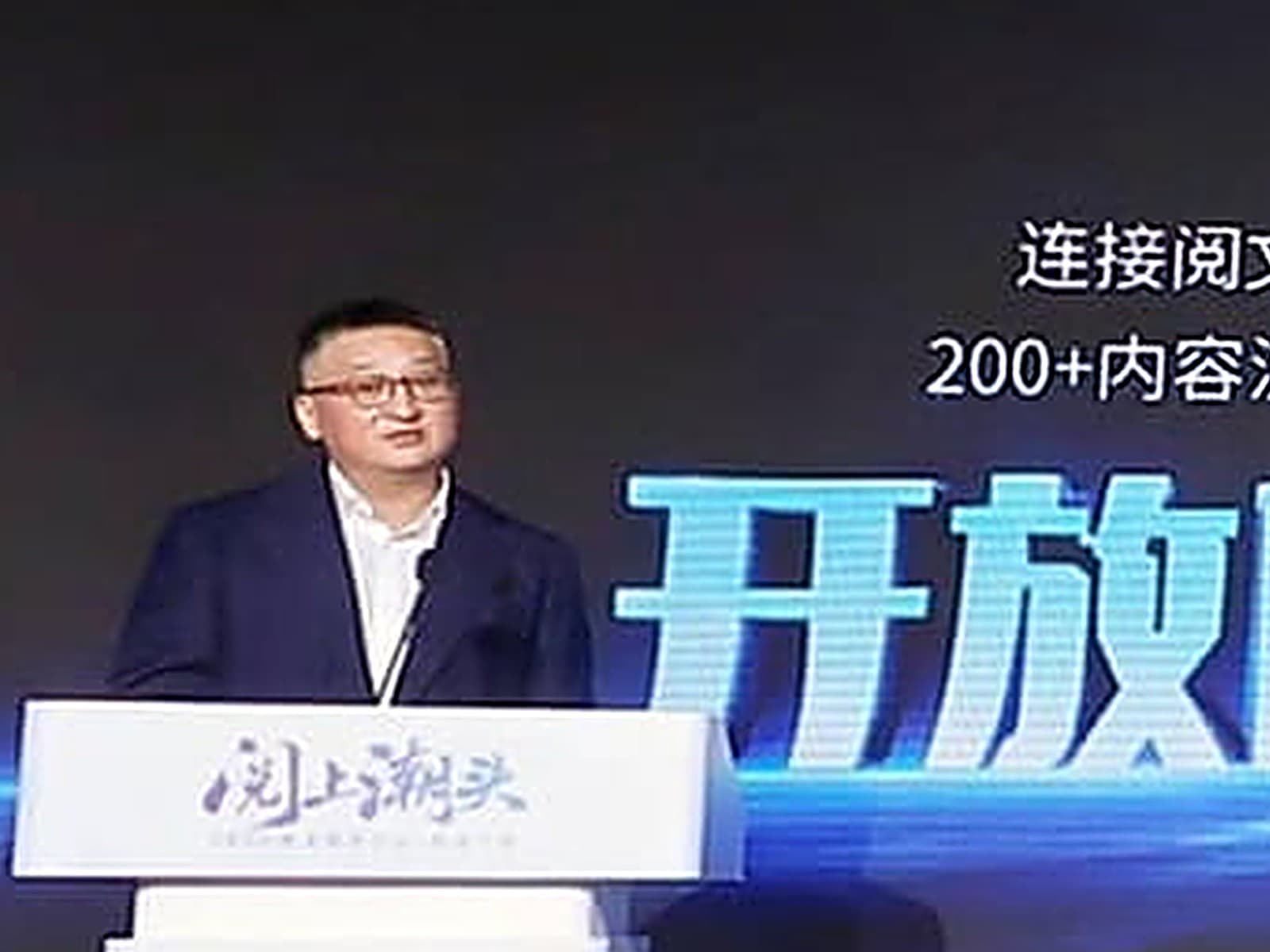
Shares in China Literature closed up 15.5% in Hong Kong on Nov 2, as investors bought the idea that AI can run a short drama factory. The broker report behind that idea, from Guosen Securities, says audiences tolerate low quality and want speed and volume.

For creators the catch is in the same report: an AI drama costing about $1,360 needs roughly 6.07 million plays to break even, and only 4.4% of Douyin's short dramas passed 10 million plays in 2025. Cheap to make does not mean cheap to get seen.

The week of numbers behind the rally came from four sources on four different days. QuestMobile counts 467 million monthly users on short drama apps. The claim that overseas AI animated dramas passed 150 million active users comes from one broadcast with no named source, so treat it as unconfirmed.

China Literature is leaning in anyway. It says its DramaBuddy tool serves more than 50,000 creators, that its ten top earning one person studios each make over 1 million yuan a year, and that it will subsidize about 30% of their computing costs. Those are company claims.

Our take: the rally priced in the factory, but the broker's own numbers say the money goes to whoever can hit reliably. That is story sense and speed, not a model feature.

Source: Guosen Securities, Oct 25, 2026; QuestMobile; China Literature.

Read the full article: thegenerated.com/stories/china-ai-short-drama-hit-economics-20261103
Provenance — BigGo Finance: Short-drama monthly users top 467 million; tech360.tv: China's microdrama war pits Tencent against ByteDance · Status: verified: MED
China's AI short dramas are cheap to make. A broker's own math says few of them pay
LeadNote—001DevelopingFilm

Iron Man's cinematographer says AI could replace Marvel's effects, but not its stars

Matthew Libatique predicts big studios will use AI to cut visual effects costs but keep real actors. It is a prediction, not inside knowledge, and his test with Darren Aronofsky has not happened yet.

Drafted by The Generated · Filed by The Generated

Matthew Libatique, the cinematographer behind Iron Man, Black Swan and A Star Is Born, told Variety on Friday that AI "won't replace cinema." Then he added: "What it could replace is Marvel."

His reasoning was money. Studios that make their movies "for so much money," he said, will use AI in visual effects "to curb some of their costs." The faces are another matter. "I don't think there's going to be a Tilly Norwood Batwoman or Black Widow," he said, naming the AI performer.

This is a prediction rather than inside knowledge. He last shot for Marvel Studios on Iron Man 2 in 2010. The split already exists on paper, though. Disney's Sora deal with OpenAI licenses more than 200 characters for AI video and leaves out talent likenesses and voices.

He has also already shot an AI film. Libatique was director of photography on Goodnight Lamby, a short from Darren Aronofsky's AI studio Primordial Soup made partly with Google's Veo 3, which played Cannes Classics in May. The person directing the model asked him for real light, because placing a lamp in the set was easier than talking the machine into it.

Next comes a test with Aronofsky before their next film, and it has not happened yet. "We're doing a test soon," Libatique said of the plan. He thinks the more you give the system, the better. Aronofsky "wants to see how little you can do." No title, tools or date are public.

Our take: as crews shrink, the people who can both light a set and direct a model have the strongest claim on the work that is left.

Source: Variety interview at Evolution Mallorca, Oct 30, 2026.

Read the full article: thegenerated.com/stories/matthew-libatique-ai-marvel-aronofsky-20261102

Provenance — Variety: Matthew Libatique says AI 'could replace Marvel' VFX, but they'll never 'use AI actors' · Status: verified: MED (Variety interview; other coverage is derivative)
Iron Man's cinematographer says AI could replace Marvel's effects, not its stars
Note—002DevelopingFilm

Utopai hires Disney's Hans Ku to run PAI, the AI engine it rents to filmmakers

Hans Ku, Disney's former vice president of AI and engineering, is now Utopai's chief product officer. The release credits him on Disney's Sora deal, which never closed, and PAI's model has no public developer access.

Drafted by The Generated · Filed by The Generated

Hans Ku, until now Disney's vice president of AI and engineering, is Utopai Studios' new chief product officer. He reports to CEO Cecilia Shen and runs product, engineering, research and business development, including PAI, the platform Utopai uses on its own films and rents to everyone else.

That makes this a story about a tool you can pay for, and whether the people renting it get what the house productions get.

The release leans on one credential: a leadership role in Disney's Sora deal. That deal, announced Dec 11, 2025, never closed. OpenAI said on Mar 24 it was shutting Sora down, and Axios reported no money changed hands. Variety's version is softer: he helped connect the two teams. Disney has not commented on his role.

PAI opened to the public on Mar 5. Utopai X, the model inside it, sits second on Artificial Analysis's video leaderboard, and Utopai's own blog says it builds on MiniMax H3. It has no public developer access, so the only way to use it is inside PAI. The $11 million in yearly revenue is Utopai's own claim, and the reported $60 million raise at a $1 billion valuation comes from an anonymous source.

Our take: a studio that rents its engine to independents can be a real ally, but only if renters get the same tools the house productions get. Ku says creative decisions stay with filmmakers. Now he has to show it in the product.

Source: Utopai release, Nov 2, 2026; Artificial Analysis, Nov 3, 2026.

Read the full article: thegenerated.com/stories/utopai-hans-ku-chief-product-officer-disney-20261103

Provenance — Deadline; Variety; BusinessWire release · Status: verified: MED (Deadline, Variety, BusinessWire)
Disney's former AI executive now runs product at Utopai, a studio that also sells its engine to filmmakers
Film

Disney's former AI executive now runs product at Utopai, a studio that also sells its engine to filmmakers

Hans Ku, Disney's vice president of AI and engineering, is now chief product officer at Utopai Studios, running the PAI platform the studio sells to outside filmmakers. The release credits him with a leadership role in Disney's Sora deal, which never closed, and the model inside PAI is built on MiniMax H3 with no public API.

Drafted by The Generated · Filed by The Generated
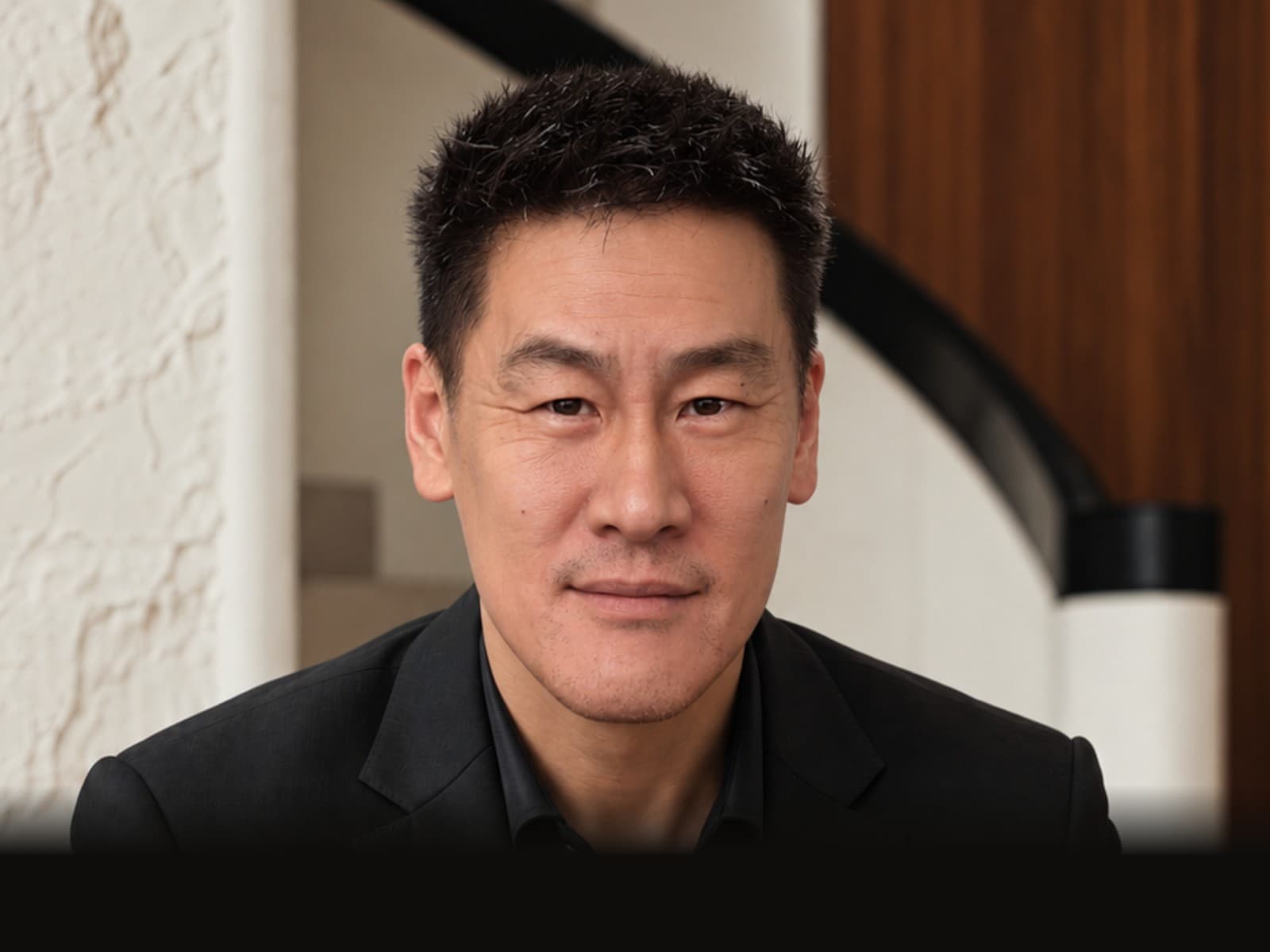
Headshot of Hans Ku, Utopai Studios chief product officer, in a black jacket in front of a white curved staircase

Only one reader asked a real question under Variety's post about Hans Ku, and it was the right one: "Does Utopai make tools other filmmakers can use?" By Tuesday morning the post had about 13,000 views, and that reply had no answer.

The answer is yes, and it's the most useful part of this hire. Utopai Studios named Ku its chief product officer on Monday 2 November. He arrives from The Walt Disney Company, where he was vice president of AI and engineering in the Office of Technology Enablement, a job his LinkedIn dates to April 2025. At Utopai he reports to CEO and co-founder Cecilia Shen and runs product, engineering, research and business development, including PAI, the AI production platform the company uses on its own films and sells to everyone else.

Keep reading — 7 min

That’s all of Film today.

3 notes, filed as the record moved.

Hollywood & Film — archive

Also filed

Models1 note
Kling's $2.9 billion round closes $95 million short after two backers could not pay

Kuaishou says the Kling round it opened in July is done, about $95 million under its $3 billion cap after two backers missed the deadline. Every investor holds a buyback right if Kling has not listed by October 2031.

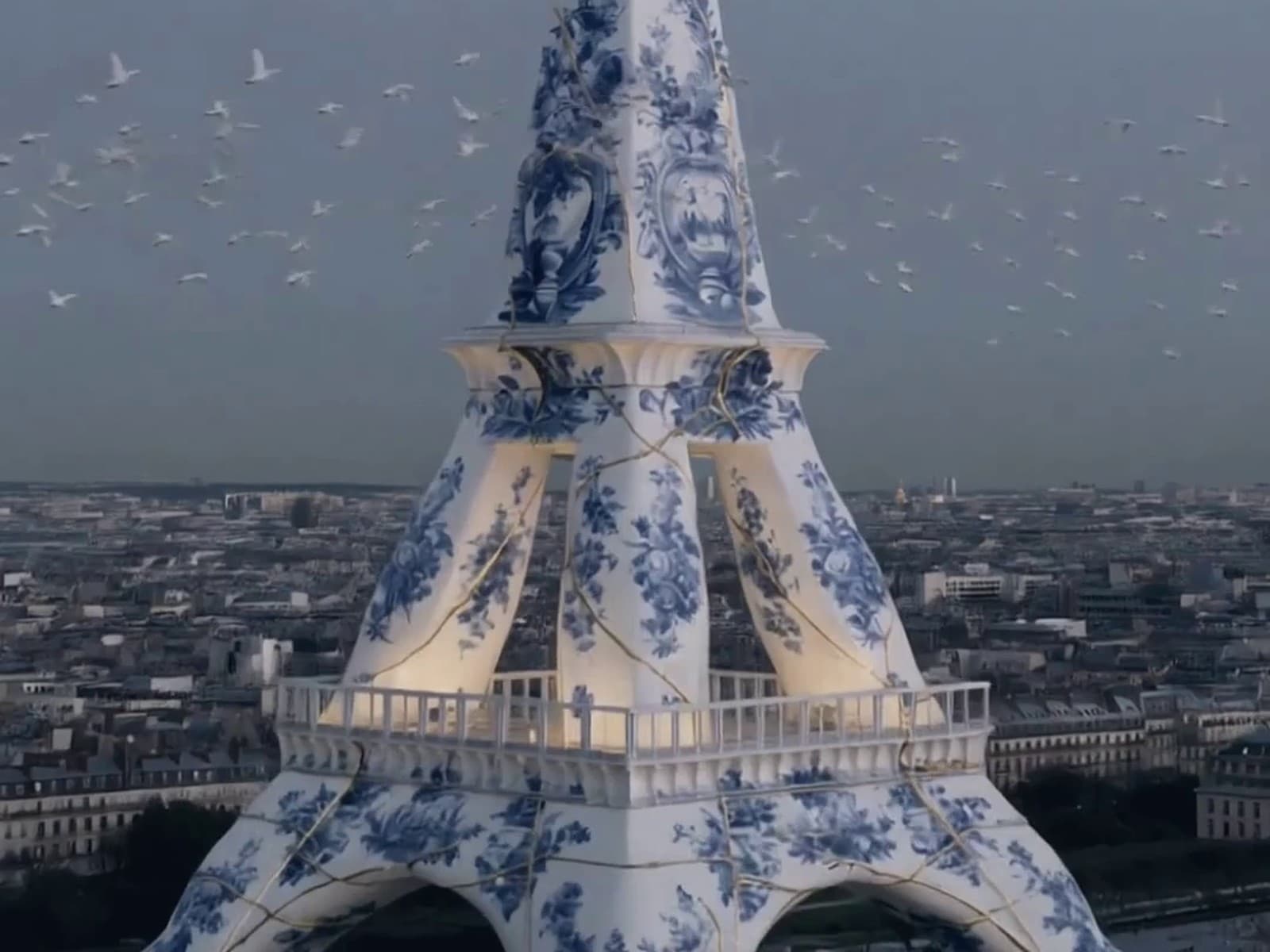
The Eiffel Tower, clad in blue porcelain
Miss AL Simpson clads the Eiffel Tower in blue porcelain

La Tour En Porcelaine is an art piece more than a narrative film, built around a porcelain Eiffel Tower and fashion house models. The maker names no tools.

Krea's Ad Studio turns a brand's website into up to 12 still ads
Krea's first specialist AI, Ad Studio, turns a brand's website into still image ads

Krea's Ad Studio reads a brand's website, builds an editable brand kit and makes up to 12 still ads per batch. It makes no video, lists no price per ad, and so far the only evidence is Krea's own.