Skip to content
Note—003DevelopingFilm

Danny Boyle explains why he put an AI Margaret Thatcher in 'Ink'

Danny Boyle says he face-swapped Margaret Thatcher onto a paid impersonator in 'Ink' without asking her estate, so the scene could cut into real news headlines. The late-night visits he cites rest on hearsay, and the performer and any AI credit are still unnamed.

Drafted by The Generated · Filed by The Generated

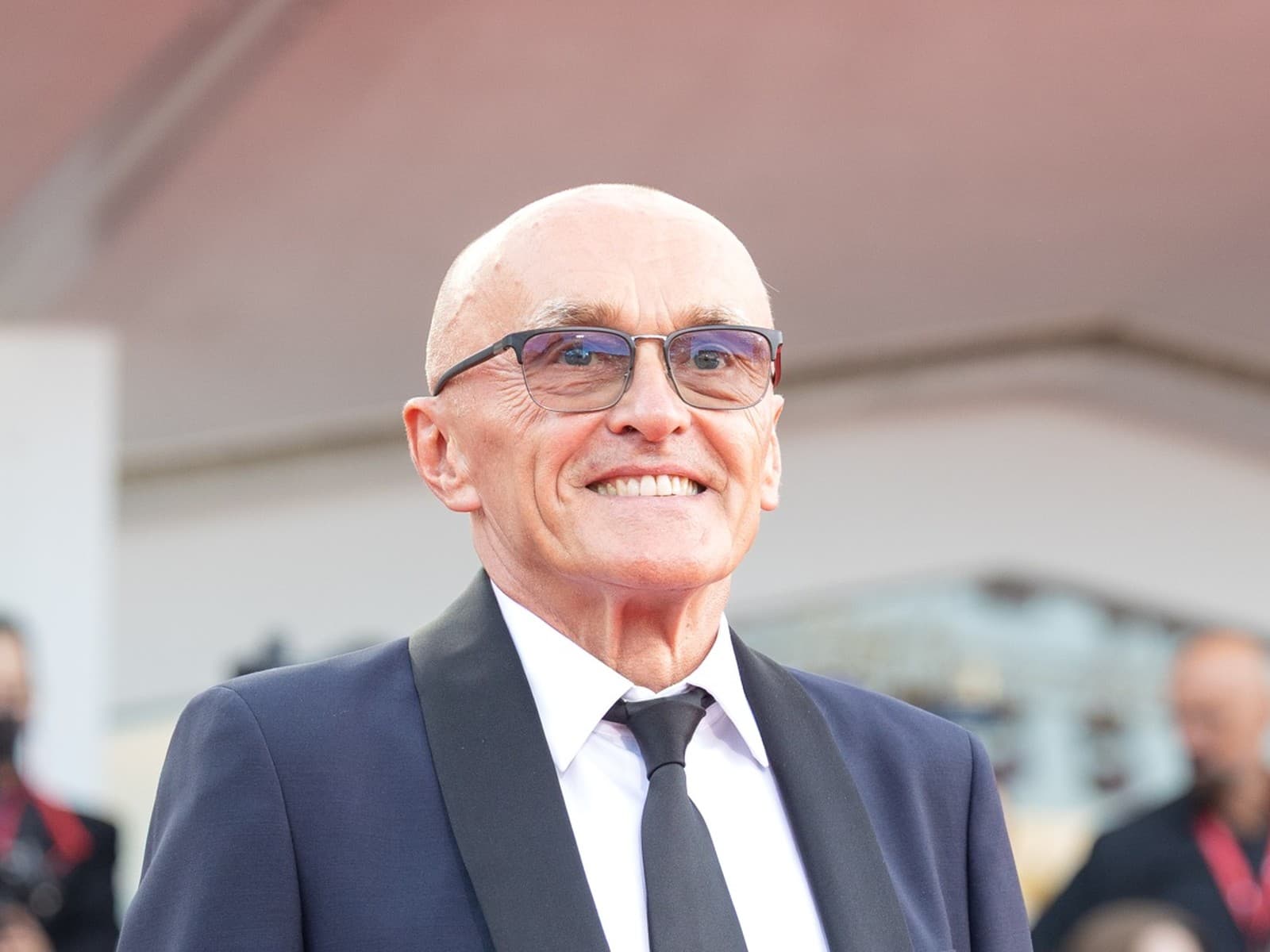
Danny Boyle put Margaret Thatcher's real face into 'Ink' with an AI face swap over a hired impersonator, and on Friday he said he never asked her estate. "I, gotta be honest, I declined to ask the estate for permission to do that," he told Matthew Belloni at a live recording of The Town at the BFI London Film Festival.

The craft reason is the part most write-ups cut. Boyle didn't want a Thatcher imitator because her scene is where the film turns toward the present: "then you move very quickly into real people from the news headlines today, so I wanted her to be very much part of that." An impressionist, however good, would keep that moment inside the drama.

The evidence is softer than the principle. Thatcher's ties to Sun editor Larry Lamb are on the record, including the knighthood she recommended, but the late-night office visits Boyle calls "documented" rest on "that's what they say." Nobody has named the performer under the swap or the company that made it, and the production hasn't said whether the credits disclose the AI shots.

In practice, Boyle's own split is a usable rule for a commission: keep generative work to archive that no longer exists, put a paid performer under any replaced face, and say exactly what you did when asked. The open question is credit, and it should be settled before 'Ink' reaches US theaters on Dec 11.

Source: The Town with Matthew Belloni, live at the BFI London Film Festival, Oct 9, 2026 (our transcript); also Variety, THR, Deadline.

Provenance — Variety — Danny Boyle on the AI Thatcher in 'Ink' · Status: single-source, reported
An AI face over a paid impersonator, and no call to the estate
LeadNote—001DevelopingFilm

Netflix says it has used AI on about 300 titles

Netflix's roughly 300 AI titles repeats its July shareholder letter, with no list and no definition of what counts. Busan added where the tools sit and a director's 40% saving, which is a financing projection for a film not yet shot.

Drafted by The Generated · Filed by The Generated

Netflix's roughly 300 AI titles is not a new number. The company put it in its July shareholder letter, scoped to 2026 and weighted toward post-production. What its Creative Asia panel in Busan added on Saturday was a map of where the tools actually sit, and a person at every point where a choice gets made.

Netflix's Sung Q Lee listed previs, set-dressing concepts, editorial and VFX, and played crowd scenes from Glory that he said would otherwise have been cut for budget. Wētā FX CTO Kimball Thurston said his team uses AI for clean-up and crowd motion, "not necessarily for generating images," per Deadline, and named two gaps: models still cannot hold an exact color across shots, and a text prompt is a poor interface for a visual artist.

Director Kang Yun-sung, who co-directed the AI feature Run to the West, put AI's saving at around 40% of the budget for his next film, The Gulf of Aden. That is a financing projection for a film not yet shot, and he said the saving comes from simpler shoots and a shorter schedule, not just cheaper effects.

In practice, Netflix has just described the independent AI workflow as studio standard: widen the options, then a person picks. Keep a record of which tools touched which shots, because Wētā is building a log of AI use linked to C2PA (content credentials, a tamper-evident record of how an image was made), and buyers will start asking for one. What Netflix still has not said is which 300 titles, or how viewers would know.

Source: Netflix's Q2 letter (Jul 16) and Creative Asia recap, with Variety, Deadline and THR, Oct 10-11, 2026.

Provenance — Hollywood Reporter — Netflix has used AI on about 300 titles; Variety — Kang Yoon-sung: AI can cut budgets by up to 40%; Deadline — Weta CTO Kimball Thurston on AI's limitations; Variety — Eyeline GenFX chief James Rustad: gen AI still needs artists' judgment; A.V. Club follow-up: 'You've already in · Status: verified: HIGH (lead) · **Bucket:** strategic
Netflix's 300 AI titles come with a map, and a human at every exit
Note—002DevelopingFilm

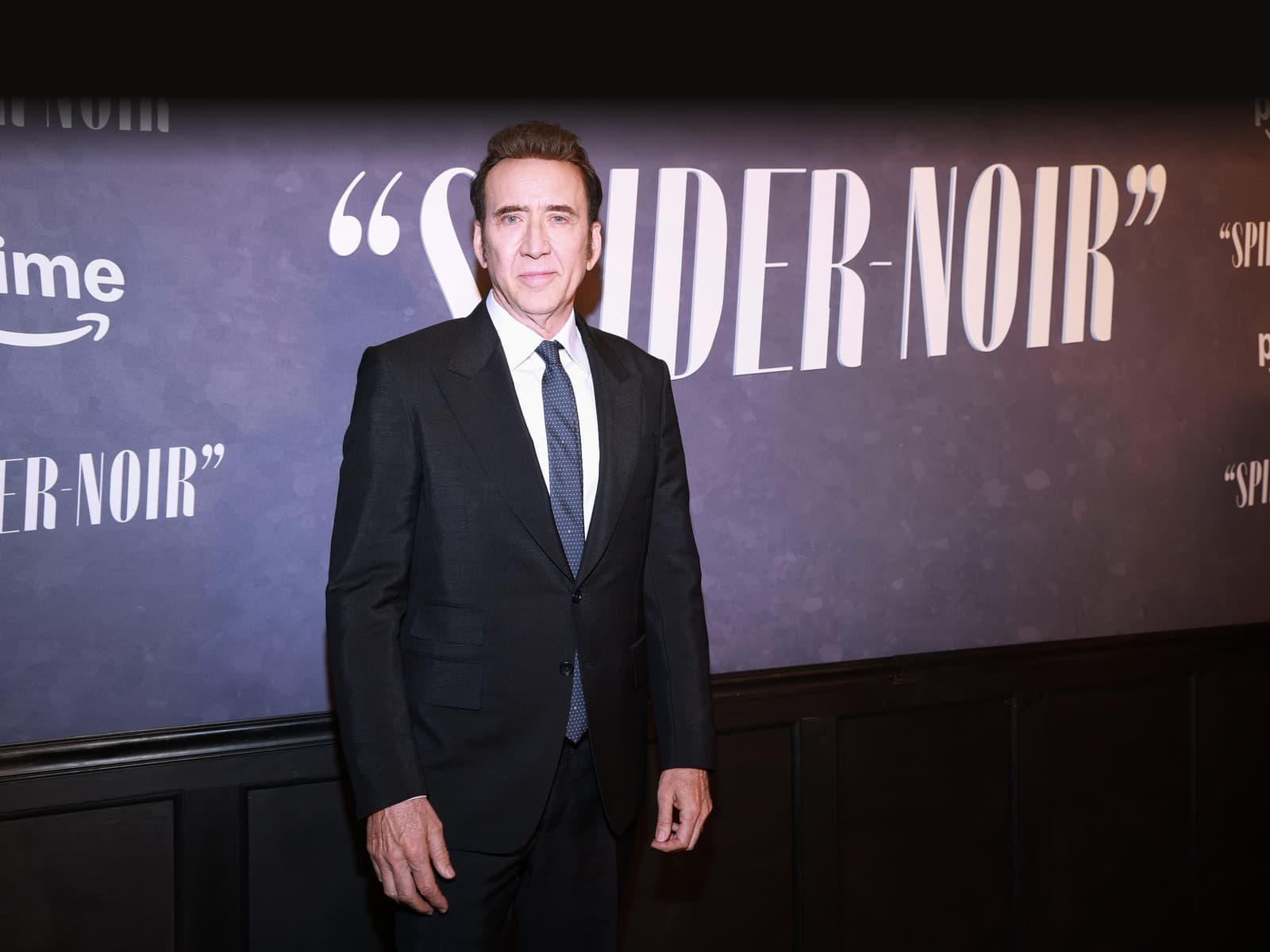
Nicolas Cage refused to sign Amazon's AI waiver for 'Spider-Noir'

Nicolas Cage says he refused to sign an AI waiver on Spider-Noir and blames Amazon, though Sony Pictures Television produced the show and nobody has published the waiver. Under the 2026 SAG-AFTRA deal, replica consent is a separate signature a performer can refuse.

Drafted by The Generated · Filed by The Generated

An AI waiver is a separate signature, and it can be left blank. Nicolas Cage says that is what he did on Spider-Noir. On the Empire Stage at New York Comic Con on Saturday, he told the room: "I didn't sign the waiver to let them use AI on Spider-Noir." He called Amazon "a very AI-friendly company" and said he is probably not going to work with that studio again.

Two things are less settled than the headlines suggest. Cage blames Amazon, but Sony Pictures Television produced the series for MGM+ and Prime Video, and nobody has published the waiver, so its author, scope and date are unknown. Amazon, Sony and SAG-AFTRA had not commented by Monday morning.

The contract side is clear. The 2026 SAG-AFTRA agreement says consent to create a digital replica must be "clear and conspicuous" and separately signed or initialed, and using that replica in new material needs a second consent with "a reasonably specific description of the intended use." Cage did a body scan for the show in 2024, so our read is that he declined the use consent, not the scan. He has not said which document it was. One caveat: the rules carve out customary digital work when the performer is not recognizable, such as a masked character, and Cage played the masked Spider.

In practice, replica consent is a document with its own signature line that can be negotiated, narrowed or refused without walking away from the job. Producers should put it on its own page with a named use, and treat scan consent and use consent as two decisions.

Source: Variety's clip from the NYCC panel, The Hollywood Reporter and Deadline, Oct 10, 2026, and the 2026 SAG-AFTRA agreement.

Provenance — Deadline — Cage didn't sign AI waiver for Spider-Noir; Variety — Cage 'probably not' working with Amazon again · Status: verified: HIGH
An AI waiver is its own signature. Cage says he left it blank
Film

Gossip Goblin's AI film wants an animation Oscar, so the Academy must define animation

Fable has moved Zack London's AI anthology Gods Don't Give Gifts to December 4 and will campaign it for Best Animated Feature, forcing the Academy to say whether generated frames count as human animation. No distributor, running time or qualifying run has been announced yet.

Drafted by The Generated · Filed by The Generated
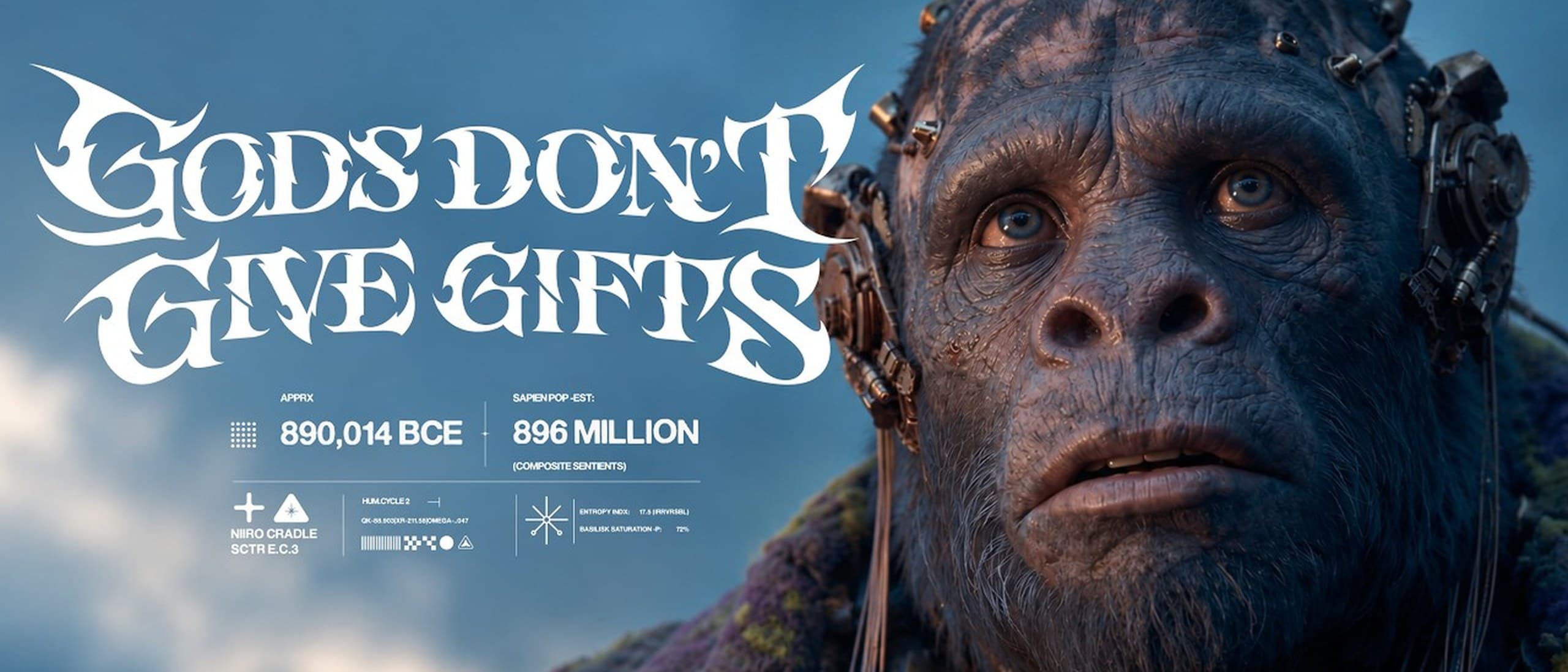
Gods Don't Give Gifts key art: a cybernetic ape with brass headgear looks up at a cloudy blue sky beside the film's jagged white title

From Friday, October 9, some US moviegoers will sit through a trailer that opens on an ape wired into brass headgear, staring up at a cloudy sky beside a title set in jagged white letters. The film is Gods Don't Give Gifts, an R-rated anthology of four connected stories by Zack London, the YouTuber known as Gossip Goblin, and it is now aimed at the Best Animated Feature race.

Fable, the AI studio run by Edward Saatchi, has moved the US release from October 30 to December 4 to put it inside Oscar season, Variety reported on Tuesday. The plan is a traditional campaign: screenings for Academy voters, previews for critics and billboards across Los Angeles in November. No distributor has been named. Saatchi put it plainly in a statement: "For 5 years, the question has been when will an AI film win an Oscar? Gods Don't Give Gifts is the first that has a shot at a nomination and then it's all to play for."

Keep reading — 5 min

That’s all of Film.

12 Oct · 3 notes, filed as the record moved.

Hollywood & Film — archive

Also filed

Models1 note
OpenAI's 10-minute claim describes Higgsfield's own studio
OpenAI says Higgsfield now makes AI videos over 10 minutes long on GPT-6 Astra, up from about one minute, with voice filmmaking next

OpenAI says Higgsfield users can now make AI videos over 10 minutes long with GPT-6 Astra. Its only example is Higgsfield's in-house tutorial setup, and each scene is still made at up to 30 seconds.

Harry Potter, out of the wizarding world and into the dojo
nachos2d: #malfoid Malfoid’s Diary | Ep. 2

nachos2d's 30-second anime short sends Harry Potter to a karate dojo, where every hit pops a little heart out of his mouth. The post names no tools, so neither do we.

Disney bids $20M for Character.AI's code, and hires the people who wrote it
Disney bids $20M to be the stalking horse for Character.AI's assets as the chatbot startup files for Chapter 11

Disney bid $20 million to license some of bankrupt Character.AI's code, while most of the startup's staff joined Disney. The app, its users and their chats are not part of the deal, and rival bids can still top it.