Skip to content
Note—004DevelopingFilm

French AI studio Inevitable says it raised 15 million euros to sell feature films from $250,000

The $250,000 is a starting quote that changes by website and leaves out marketing and a revenue share. The investors are unnamed, and neither of its two films has a release date.

Drafted by The Generated · Filed by The Generated

Jean Mach has spent 25 years making films and TV in France. At Cannes in May he pitched a 100-minute feature for 250,000 euros, made in four months, as a way in for young directors the system keeps out. Now his Paris studio, Inevitable, says it has raised 15 million euros to sell exactly that.

The price changes depending on where you read it. Inevitable's French site quotes features from 250K euros. Its English site says from $300K. At Cannes, franceinfo reported 250,000 euros plus 5% of revenues after release, and Business Times reports that promotion and distribution sit outside the costing. So the sticker is a starting quote for a fixed format, not the full cost of a film.

The method, as the company describes it: the producer brings a script and the music, partner animation studios build an animated rough cut that locks framing, camera moves and pacing, and Inevitable's AI turns it into photoreal images in Paris. Mach told Les Echos that the director decides everything. The company has not named the video models underneath.

The money rests on one press release. The investors want to stay anonymous, and no valuation or terms are public. In April the studio was still looking to close a 10 million euro round, and nobody has said whether the new 15 million includes it.

Two films are in production. Sync, a 90-minute live-action feature directed by the studio's own creative technologist Stéphane Juffé, began in June. Naaru, an animated science fiction film from Yansurah Productions, was billed for December 2026. Neither has a release date or a distributor.

Our take: a fixed price that lets people outside the system make a feature could be the right product. The proof is Sync on a screen, with a running time and a final bill.

Full story, with the four versions of the price, via the

Source: Advanced Television, Business Times and Dealroom, Oct 26, 2026; Inevitable's websites; franceinfo, May 19, 2026.

Read the full article: thegenerated.com/stories/inevitable-ai-studio-feature-price-20261027
Provenance — Advanced Television: AI studio Inevitable raises €15m funding; Dealroom: French AI film studio Inevitable raises €15M · Status: verified: HIGH (Advanced Television + Dealroom)
Inevitable says it raised 15 million euros to sell AI features from $250,000
LeadNote—001DevelopingFilm

IATSE puts a video engineer in charge of AI before its 2027 contract talks

Jillian Arnold is the crew union's first AI officer and wants crew helping build tools. No program, vendor or budget is named, and the 2024 contract already lets producers require AI.

Drafted by The Generated · Filed by The Generated

IATSE, the crew union that says it represents more than 170,000 workers in the US and Canada, has named Jillian Arnold its first Labor and Technology Intelligence Officer. Arnold is a video engineer whose credits run from NASA's Mars Curiosity Rover landing to live broadcasts of the Oscars. She led Local 695 and chaired the union's AI subcommittee during the 2024 contract talks.

The headlines read it as a union switching from fighting AI to building it, but the record says otherwise. The 2024 contract already lets producers require AI use, names retraining as the preferred answer to new technology, and gives crew a consultation, not a veto. Arnold told The Hollywood Reporter that bargaining next spring is her number one priority. The current contract expires July 31, 2027.

She does want crew in the room where tools get made. She told the trade paper the union wants to be part of how AI arrives on set "so that we make tools that are for workers, not displacing workers." Nothing public backs that yet: no program, vendor, budget or named craft, and IATSE is "not endorsing any model per se."

The most useful line for crew is about copyright. Arnold wants members to argue that older, hands-on ways of working can be cheaper and produce work a studio can own, so AI is not always the best tool for the job.

Our take: this is good news for creators on both sides of the camera. The test comes next spring, when "worker-centric" has to become contract language a producer signs.

Source: The Hollywood Reporter interview and IATSE release, Oct 23, 2026, and the 2024 Basic Agreement, Article XLIX.

Read the full article: thegenerated.com/stories/iatse-ai-officer-jillian-arnold-20261026

Provenance — The Hollywood Reporter · Status: single-source, reported
IATSE puts a crew technician in charge of AI ahead of 2027 talks
Note—002DevelopingFilm

Animation voice actors are voting on AI dubbing consent, but no start date is set

SAG-AFTRA's new TV animation deal would make producers get a voice actor's consent before an AI copy of their voice dubs them into another language. Nobody has said when the rule starts, and voting closes October 29.

Drafted by The Generated · Filed by The Generated

Animation voice actors in SAG-AFTRA are voting this week on a new TV animation contract, and one of its AI terms goes straight at dubbing. Under the old deal, a producer could use an actor's digital replica, an AI copy of their voice, to dub them into another language without asking. Under the new one, the producer needs the actor's consent first.

The union's Jessica Johnson walked members through the change at a briefing on October 9. The Executive Committee approved the deal unanimously on October 5 and recommends a yes. Voting closes at 5pm Pacific on Thursday, October 29. The ballot also carries minimum pay rises of 3 percent a year and a rule that an actor's AI copy cannot be made to work during a strike.

The catch is the start date. Nobody has published one for the dubbing rule, and the contract text is still being drafted, so members are voting on a summary and a recorded briefing. The live-action version it copies covers only productions that start in July 2027, and it asks for consent but no extra pay. It also leaves other ways of matching a voice to a new language untouched.

For anyone making or buying AI dubbing on union animation, the change is real. A yes from the actor becomes a signature the producer has to collect, and dubbing companies will need a consent record for every actor.

Our take: the consent rule is worth having, but members are approving it before anyone can read it. The union can say when it starts before the polls close.

Source: SAG-AFTRA member briefing, Oct 9, 2026; the 2026 SAG-AFTRA and AMPTP live-action agreement, Section 64.C; Voice Over Herald, Oct 24.

Read the full article: thegenerated.com/stories/sag-aftra-animation-ai-dubbing-consent-20261026

Provenance — Voice Over Herald; SAG-AFTRA ballot portal (deadline) · Status: single-source, reported
Animation voice actors are voting on AI dubbing consent, but nobody has said when it starts
Note—003DevelopingFilm

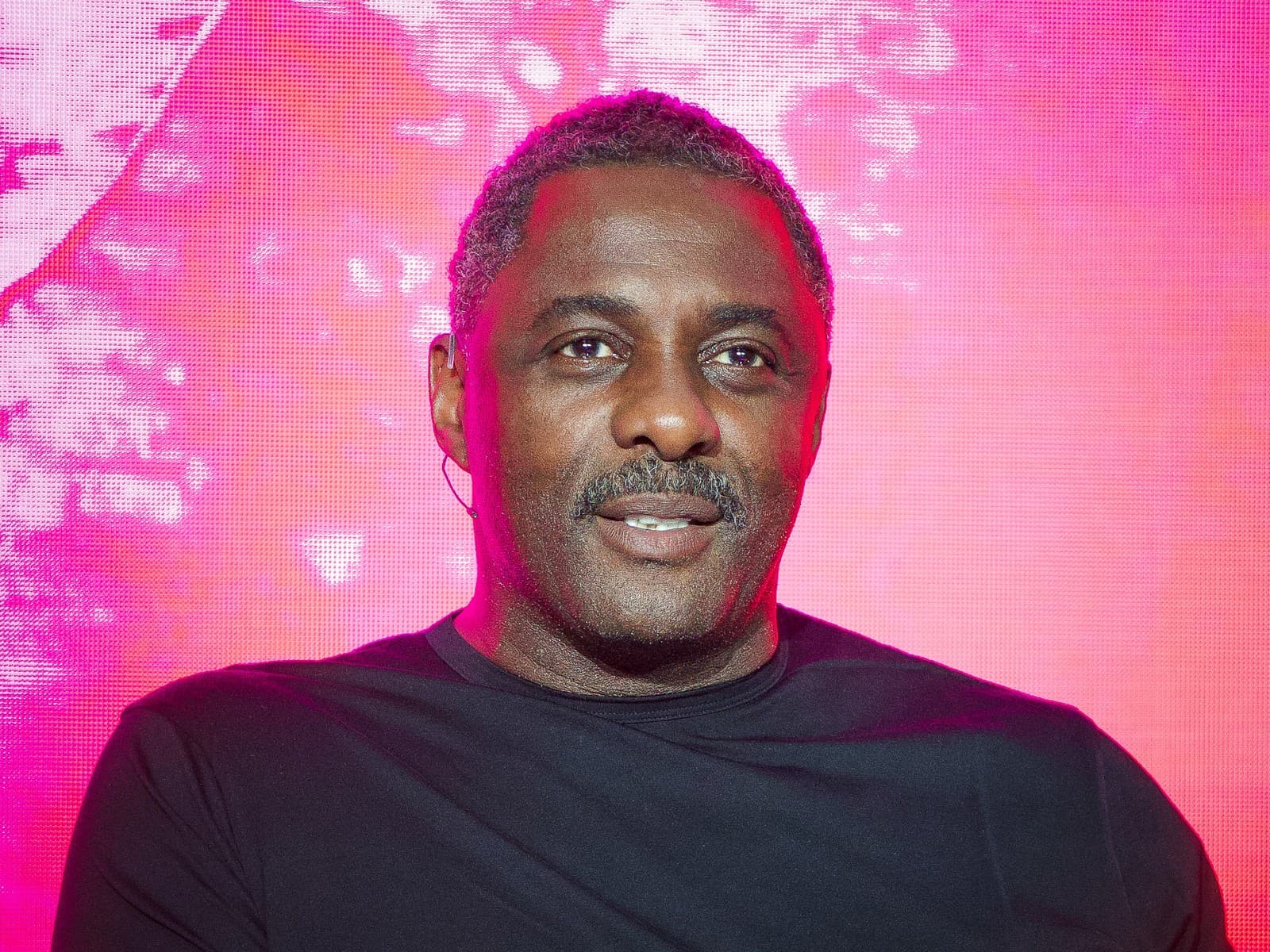
Idris Elba's free AI film academy for five African countries says only a select few will get funded

The Akuna Group and Google offer 12 free weeks of AI film training in Ghana, Kenya, Nigeria, Sierra Leone and South Africa. The film fund has no published size, and funded films owe Google a distribution window.

Drafted by The Generated · Filed by The Generated

Idris Elba's Akuna Group and Google have opened a free AI filmmaking program for creators in Ghana, Kenya, Nigeria, Sierra Leone and South Africa. Applications close on November 15.

Everyone selected takes a foundation course, then picks one of five tracks: fiction, documentary, animation, advertising or screenwriting. The academy runs for 12 weeks online on a curriculum from the AI film school Curious Refuge, with in-person meetups in each country and a certificate at the end. There is no fee, and you don't need AI experience. You do need to be 18 or over, live in one of the five countries, and have a laptop, reliable internet and steady power for the full 12 weeks.

After the academy, graduates can put forward a one-page idea. Shortlisted teams get four weeks of mentoring, then pitch to panels from Akuna, Google and the wider industry. Each funded team needs at least three graduates. How many get money? The program's own FAQ answers in three words: "A select few."

Elba frames it as education first. "For me, this is about learning," he said in the launch release.

The release leaves three things out. The $1 million from Google.org was first announced in July. The film fund has no published size. And funded projects sign an agreement that, in a bracketed line on the FAQ, includes a distribution window on Google platforms, with no length or terms given. Curious Refuge is also owned by Promise, which has Google investment.

Our take: this is a genuine pathway for the many and a corporate funnel for the few who reach the money. If you qualify, apply, then ask for the terms in writing.

Source: The Akuna Group release via APO and the akunalearning.com FAQ, Oct 26, 2026.

Read the full article: thegenerated.com/stories/akuna-google-free-ai-film-academy-africa-20261027

Provenance — Africa Newsroom (APO press release); The Bulrushes via Google News · Status: verified: HIGH (APO/Africa Newsroom release + The Bulrushes). The release is the organisers' own; The Bulrushes is indep
Idris Elba's Akuna Group and Google open a free AI film academy in five African countries
Film

Idris Elba and Google open a free AI film academy in five African countries, but the film fund has no size

Creators in Ghana, Kenya, Nigeria, Sierra Leone and South Africa can apply until 15 November for 12 free weeks of Curious Refuge training, then a shot at a funded short. The organizers say only a select few teams get money, the $1 million from Google.org dates from July, and the FAQ's bracketed line adds a distribution window on Google platforms.

Drafted by The Generated · Filed by The Generated
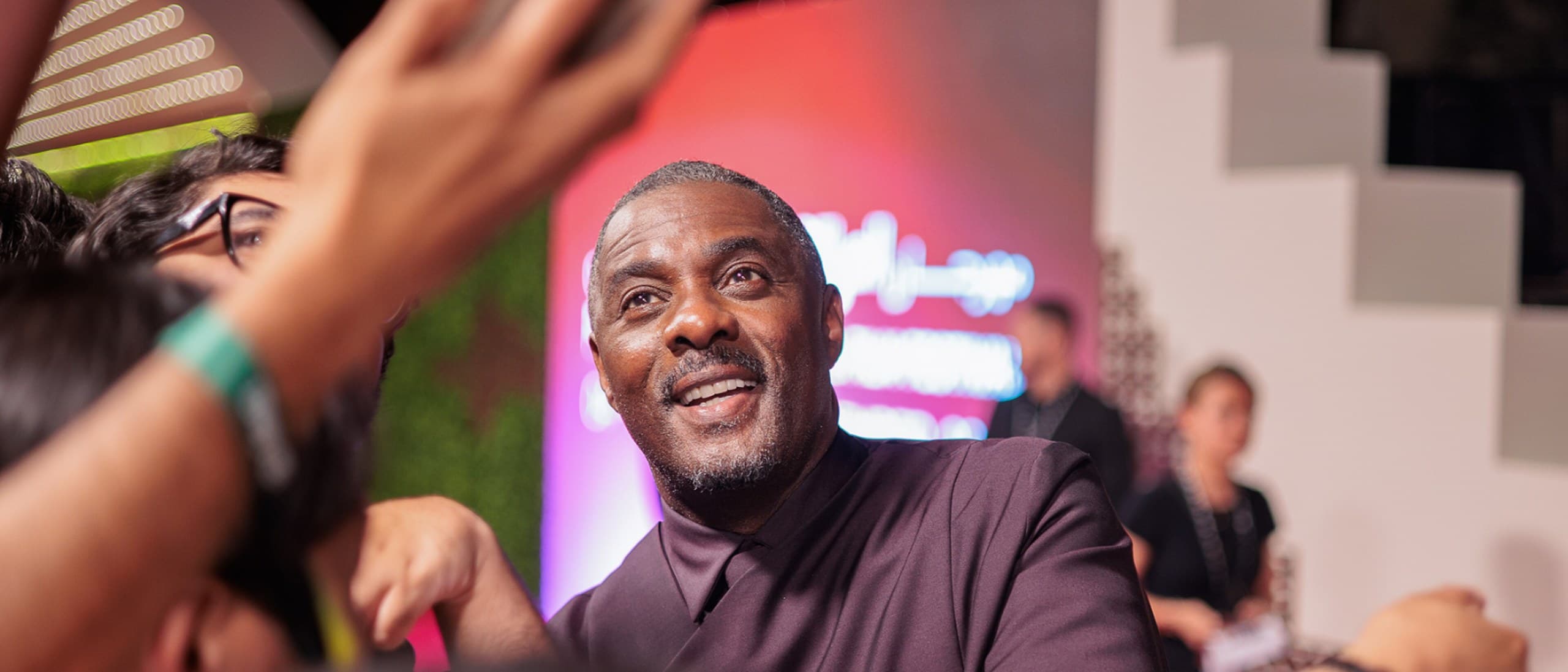
Idris Elba smiling as he greets fans holding up phones on the red carpet at the Red Sea International Film Festival 2025

Near the bottom of the FAQ page for From Script to Screen with AI, under the question of how many projects get funded, sits a sentence most training programs never write down: "We would rather tell you the odds honestly now than surprise you at pitch stage." The answer it follows is three words long: "A select few."

That page belongs to Akuna Learning, the education arm of The Akuna Group, the pan-African creative economy company chaired by Sir Idris Elba. On Monday 26 October it opened applications for a free AI filmmaking program for creators in Ghana, Kenya, Nigeria, Sierra Leone and South Africa, delivered with Google, paid for by Google.org and taught on a curriculum from the AI film school Curious Refuge. Applications close on Sunday 15 November.

Keep reading — 7 min

That’s all of Film today.

4 notes, filed as the record moved.

Hollywood & Film — archive

Also filed

Models4 notes
Krea puts AI shots, backgrounds and sound inside Adobe Premiere Pro
Krea puts AI shots and backgrounds inside Adobe Premiere Pro, but names no video models

Krea's new Premiere Pro panel makes shots, backgrounds and looks inside the edit, running on Krea's servers. Krea has not said which video models run in the panel or what a clip costs.

Kim Jun's Every Day builds dread from a fan and a book

A 19-second short from filmmaker Kim Jun, tense from the first frame, with striking color and design. The closing shot keeps the face hidden, and the post names no tools.

A director's shelved AXE pitch came back as a 48-shot AI spec
A director revived her shelved AXE pitch as an AI spec, and it doubles as a demo for her employer

Cassandra Brooksbank remade a 2021 AXE pitch as a 60-second AI spec on Absurd, where she now works. Her plan-first method transfers, but no cost was disclosed and the film shows no spec label on screen.