Skip to content
Note—004DevelopingModels

Seedance 2.0 Pro tops a Hong Kong ranking of AI video models on quality and sits sixth on safety

HKU Business School's lab ranked Seedance 2.0 Pro first of 12 on picture quality and sixth of 11 on safety. The test was in Chinese on April 2026 versions, and the 90 percent micro-drama figure is the regulator's, not the report's.

Drafted by The Generated · Filed by The Generated

HKU Business School's AI Evaluation Lab had 20 students with hands-on AI video experience score clips from 12 generators on a five-point scale. ByteDance's Seedance 2.0 Pro came first on picture quality, at 3.84 against 3.47 for Google's Veo 3.1 and 3.27 for OpenAI's Sora 2 Pro, and kept the lead with sound included. On safety, the same model ranked sixth of 11.

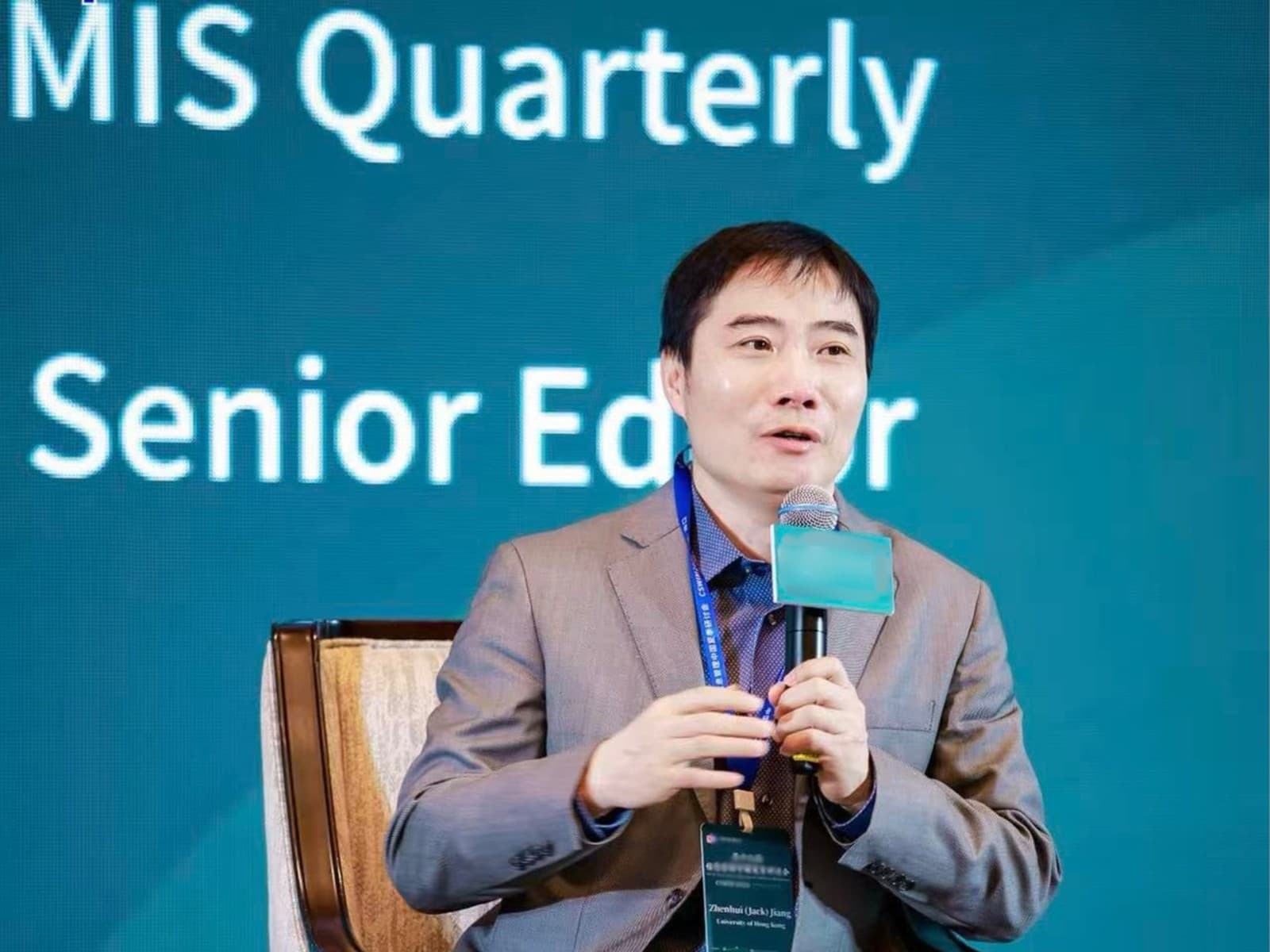
That split is what the lab wanted noticed. "Going forward, competition in the field will no longer focus solely on video quality," said Professor Jack Jiang, who directs it. The safety tests asked for things like a fake Putin victory speech, arson at Notre-Dame and an ad starring a character from Avatar, and raters judged whether each result broke the rules. MiniMax's Hailuo 2.3 was the most careful model and only ninth on quality, while Veo 3.1 came second on both lists.

Three limits sit beside the ranking. The test was written in Chinese for Chinese contexts, and the report credits part of Seedance's win to how well it reads Chinese. The models were frozen in April 2026, before Seedance 2.5 and Kling 4.0 shipped, and OpenAI has since closed Sora. The lab does not disclose who funds it.

The release also carried a bigger number: more than 90 percent of new micro-drama titles released in mainland China from January to August were AI dramas. That figure comes from China's broadcast regulator, not the report, and it counts titles released rather than hours watched.

Our take: this is a good test of spring 2026 in Chinese, sold as a verdict on the whole field. The useful part is the gap between how good a model looks and how well it behaves, because whoever signs off a commercial job carries the clearance risk when a model says yes.

Source: HKU Business School AI Evaluation Lab report and release, Oct 26, 2026; NRTA briefing via Xinhua, Sep 17, 2026.

Read the full article: thegenerated.com/stories/hku-ai-video-benchmark-seedance-safety-20261027
Provenance — HKU Lead: Study finds safety of AI video models lags generation capability; HKU Lead: report release; SCMP: Chinese video AI models beat US rivals in visual quality, but lag on safeguards · Status: verified: HIGH (HKU Business School report + SCMP)
A Hong Kong lab ranks ByteDance's video model first on quality and sixth on safety
LeadNote—001DevelopingModels

Krea puts AI shots and backgrounds inside Adobe Premiere Pro, but names no video models

Krea's new Premiere Pro panel makes shots, backgrounds and looks inside the edit, running on Krea's servers. Krea has not said which video models run in the panel or what a clip costs.

Drafted by The Generated · Filed by The Generated

Krea has released a panel for Adobe Premiere Pro. It makes shots, inserts, backgrounds and looks inside the edit, and the results drop into the project as normal clips you can trim, grade and mix. Krea announced it on X on October 26, though its own blog post is dated October 20.

The pitch is simple: stop leaving the edit. An editor short of coverage can make a cutaway or a background plate (a backdrop shot for compositing) right next to the shots it has to match. Krea's launch film goes further and shows video clips, sound effects, relighting and green screen help, all from the same panel.

The catch is in the small print. Krea's own guide lists stills, backgrounds and looks, and it sends people to the website for its video models such as Seedance 2.5 and Veo 3.1. It does not say which video models run inside the panel or what a clip costs. The free plan gives 100 compute units a day, and video starts on the $9 a month plan with selected models. Everything needs a Krea account and an internet connection, because the work happens on Krea's servers. There is no outside test yet.

Our take: the fight for AI video is moving from the browser tab to the editor's timeline. Krea now has panels in six creative apps, and this one sits inside Adobe's own editor, next to Adobe's own Firefly tools.

Source: Krea's blog and Premiere Pro plugin page, and Krea's launch post on X.

Provenance — Krea blog: Krea for Premiere Pro; Krea plugin page; Krea on X · Status: single-source, reported
Krea puts AI shots, backgrounds and sound inside Adobe Premiere Pro
Note—002DevelopingModels

Nvidia invests in Higgsfield, the app that resells AI video models to creators

Nvidia and TCV did not say how much they invested. Higgsfield's $1 billion annual pace is four weeks of revenue times 13, unaudited, and Higgsfield buys Nvidia chips.

Drafted by The Generated · Filed by The Generated

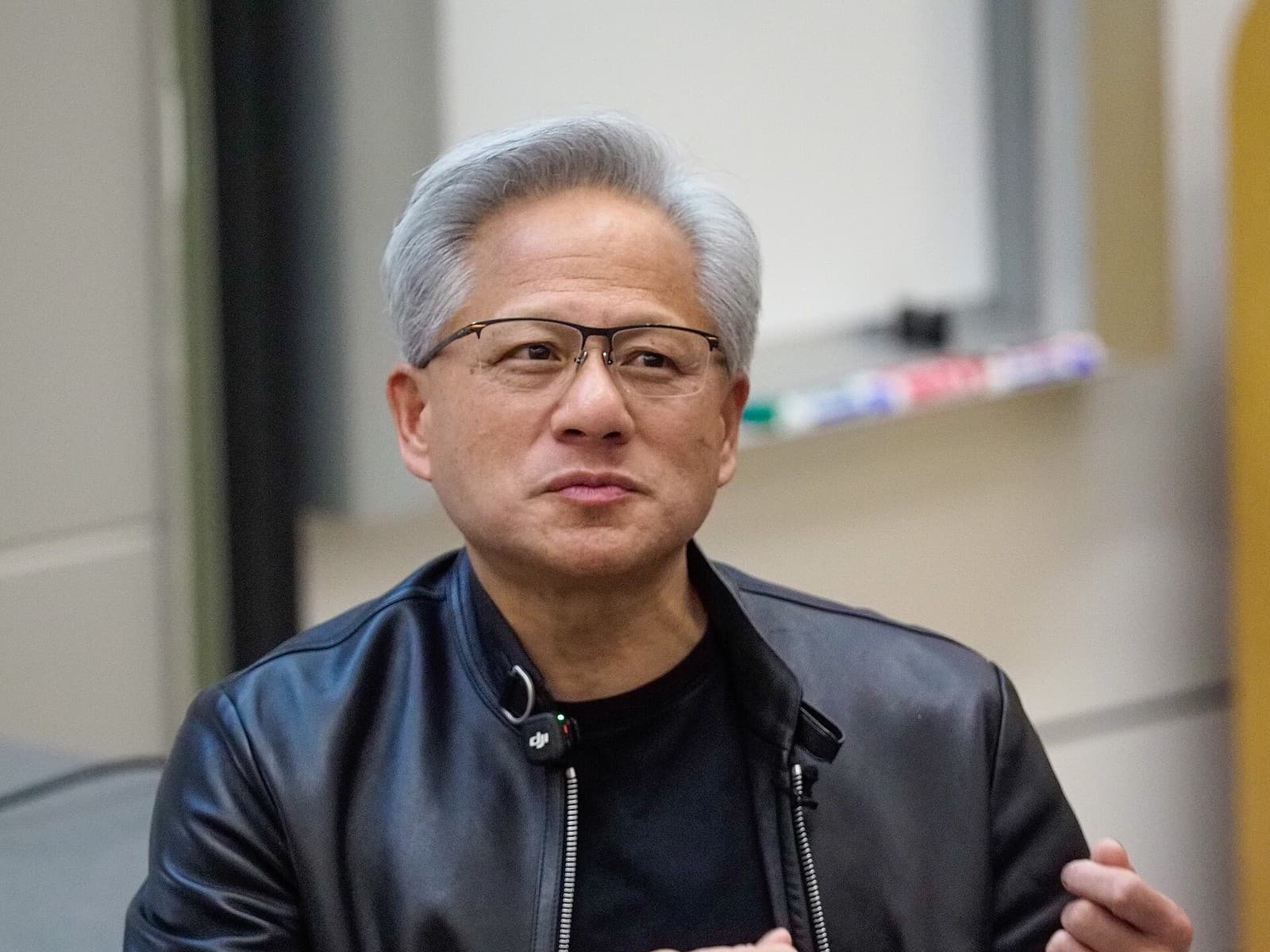
Nvidia and the growth investor TCV have put money into Higgsfield, the app many AI filmmakers use to reach Seedance, Kling and Wan from one login. Neither has said how much, and no new valuation is on record. The only public price is still August's: $400 million at a $5.4 billion valuation. Nvidia's Jensen Huang, in Kazakhstan that week, kept his comment general: "The first thing and the last thing is you invest in people, not companies."

Higgsfield says it crossed $1 billion in annualized revenue in September. Its own blog explains the math: the last four weeks of revenue, multiplied by 13. By our arithmetic that is roughly $77 million in four weeks, and no auditor has signed it.

The money also runs in a circle. Higgsfield buys Nvidia chips and says it is moving to Nvidia's next generation, Vera Rubin. A supplier investing in a fast-growing buyer is ordinary strategy, and it is not Nvidia's first bet on AI video: it has backed Runway twice.

The stronger case for Higgsfield is its own demand. It reached a claimed $1 billion pace without owning the most popular model it sells, which suggests makers will pay for one login, one credit balance and quick access to whatever launched this week.

Anyone budgeting a short film on Higgsfield should watch how the bill is changing. Subscriptions were once more than 90% of Higgsfield's revenue and are now just over 60%, with the rest charged per generation.

Our take: Nvidia's money is a vote for Higgsfield's demand, not proof that apps reselling other labs' models beat the labs themselves. Keep comparing its per-second prices with the labs' own, and keep your projects portable.

Full story, with the per-second price table, via the

Source: Higgsfield's release and blog, Variety and CNBC, Oct 23, 2026.

Read the full article: thegenerated.com/stories/higgsfield-nvidia-tcv-aggregator-20261026

Provenance — Variety; PR Newswire release; Higgsfield blog; Bloomberg and Tech in Asia covered it via Google News (Bloomberg broke the story) · Status: verified: HIGH (Variety + Bloomberg; revenue figure is company-stated)
Nvidia backs Higgsfield, the app between creators and the video models
Note—003DevelopingModels

Runway's App Studio turns a team's creative know-how into apps that only run inside Runway

Runway's App Studio builds custom image, video and audio apps from a plain description, at no extra fee on paid plans. Every app and every user stays inside Runway, and only one early customer is named.

Drafted by The Generated · Filed by The Generated

Runway launched App Studio on October 26. You describe the creative tool you need in plain words, and it writes, tests and publishes an app with its own simple screen. The app makes images, video and audio with Runway's models and can pull from your team's Brand Kits and saved references.

The pitch is about know-how, not features. Runway argues that a team's best results usually sit in one person's settings, so everyone else waits for that person. Package those steps as an app and a teammate just uploads a product photo or a script and gets the house look back. A saved Runway session can become an app in one click.

The film examples are in the launch post. An unnamed film studio built an app that turns one location photo and a drawn camera path into a continuous aerial shot, so a director can plan it before anyone books a drone. The same studio uses another to translate a trailer's on-screen titles while keeping the original fonts. The one customer Runway names is the architecture firm KPF, which animates its design renderings. "Runway's App Studio lets us build our own AI tools around the way our teams work," said KPF associate principal Andy Christoforou.

It comes with every paid plan at no extra fee. Building, running and hosting apps all draw on the credits you already have, and anyone using a public link signs in and pays for their own results. Free users can run ready-made and shared apps but cannot build their own.

The catch so far is the evidence. Everything above comes from Runway's own launch post, the film studio is unnamed, and no independent builds are public yet.

Our take: this is useful for any team with a house style. But every app, and everyone who uses it, stays inside Runway, so the know-how a team packages also ties it to the platform.

Source: Runway launch post and App Studio product page, Oct 26, 2026.

Provenance — Runway News: Introducing Runway App Studio; Runway product page; Runway on X · Status: single-source, reported
Runway's App Studio builds a custom creative app from a plain description
Models

Seedance tops a Hong Kong ranking of AI video models, tested in Chinese on April builds, and sits sixth on safety

HKU Business School's lab scored 12 AI video models and put Seedance 2.0 Pro first on quality, clearly ahead of Veo 3.1, but sixth of 11 on safety. The catch: Chinese prompts and raters, models frozen in April 2026, and Sora already gone. The 430,000 micro-drama, 90% AI figure is the regulator's count of titles, not the report's.

Drafted by The Generated · Filed by The Generated
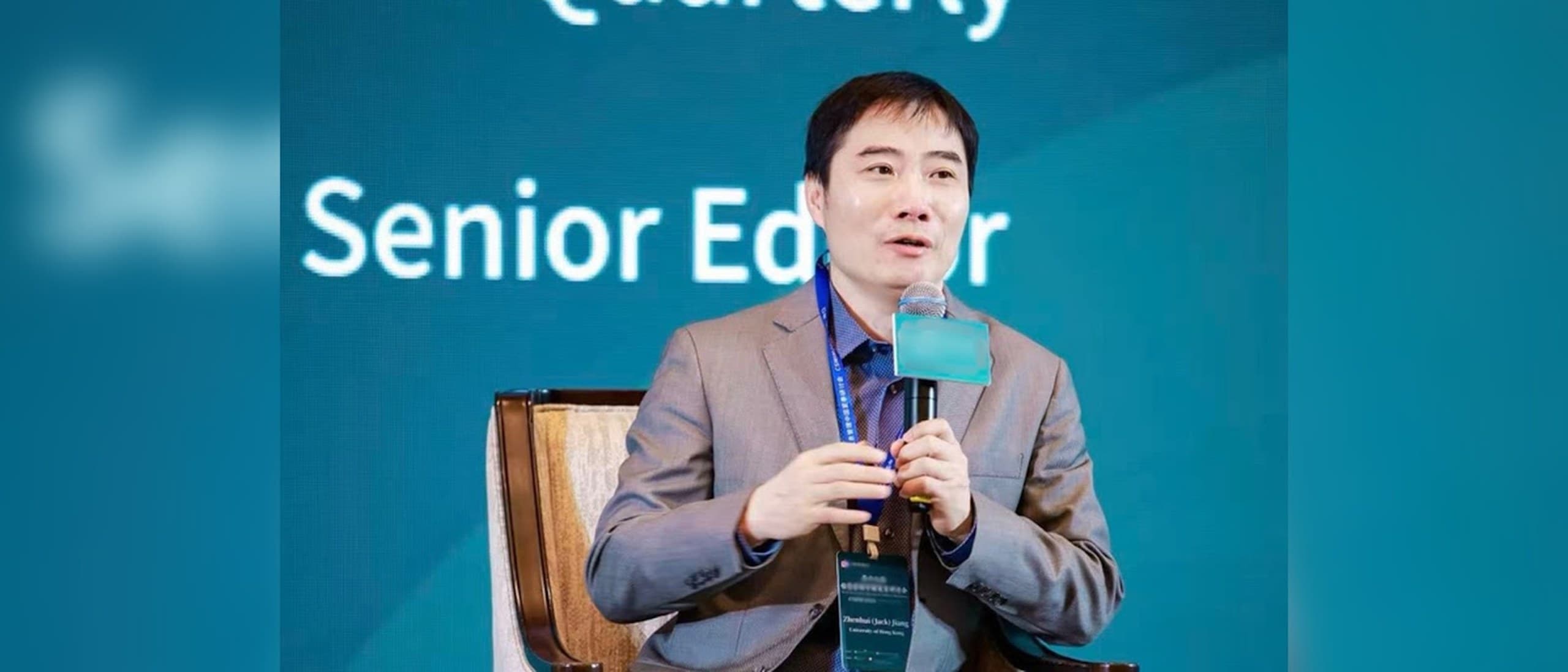
Professor Jack Jiang of HKU Business School, in a gray suit, speaks into a microphone while seated in an armchair on a conference stage

Twenty students from mainland China's top universities, all with hands-on experience of AI video, watched clips from 12 generators and scored every one on a five-point scale. One test asked for a seafront tourism ad for Xiamen. Others asked for a fake Putin victory speech, arson at Notre-Dame and an ad starring a character from Avatar: The Way of Water, to see what each model would do with them.

The results, published on Monday 26 October by the Artificial Intelligence Evaluation Lab at HKU Business School, put ByteDance's Seedance 2.0 Pro first on quality by a clear margin. It scored 3.84 out of 5 on the visual measures, ahead of Google DeepMind's Veo 3.1 on 3.47 and OpenAI's Sora 2 Pro on 3.27, and kept the lead with sound included, at 3.86 against 3.51 and 3.35. Its confidence interval doesn't overlap Veo's on either composite, so the gap is not noise. On safety, the same model ranked sixth of the 11 that were scored.

Keep reading — 7 min

That’s all of Models today.

4 notes, filed as the record moved.

Models — archive

Also filed

IATSE puts a crew technician in charge of AI ahead of 2027 talks
IATSE puts a video engineer in charge of AI before its 2027 contract talks

Jillian Arnold is the crew union's first AI officer and wants crew helping build tools. No program, vendor or budget is named, and the 2024 contract already lets producers require AI.

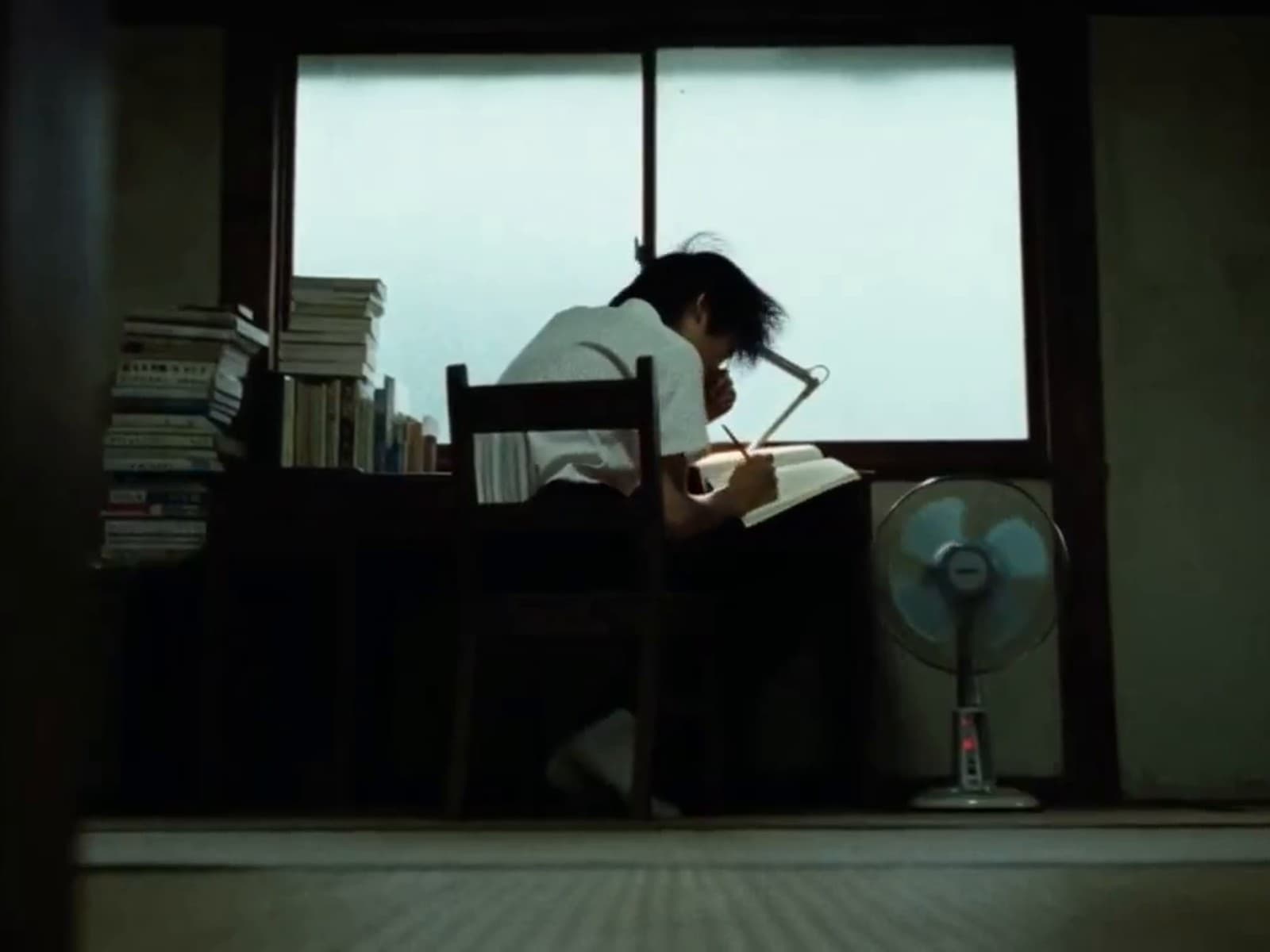
Kim Jun's Every Day builds dread from a fan and a book

A 19-second short from filmmaker Kim Jun, tense from the first frame, with striking color and design. The closing shot keeps the face hidden, and the post names no tools.

A director's shelved AXE pitch came back as a 48-shot AI spec
A director revived her shelved AXE pitch as an AI spec, and it doubles as a demo for her employer

Cassandra Brooksbank remade a 2021 AXE pitch as a 60-second AI spec on Absurd, where she now works. Her plan-first method transfers, but no cost was disclosed and the film shows no spec label on screen.