Skip to content
Note—003DevelopingFilm

Studio Meta-K's Kim Kwang-jib warns AI feature films could end up costing more than the 35mm era

Kim says usage fees for a 100-minute film on the priciest AI tools can top $366,000, and a tenfold price rise would reach the top of a typical Korean feature budget. He did not say which tools or resolution the figure assumes.

Drafted by The Generated · Filed by The Generated

Every change of mind on an AI film is a new bill. Kim Kwang-jib, founder of the Korean AI studio Studio Meta-K, told Taiwan Creative Content Fest in Taipei that the usage fees (what AI services charge for every image and clip they generate) for a 100-minute film on the most expensive commercial tools can top KRW500 million, about $366,000, so the savings people expect from AI could vanish into revisions and price rises.

His bigger number rests on prices that have not moved yet. AI companies are losing money and keeping prices low as marketing, he said; a tenfold rise would take that bill to KRW5 billion ($3.66 million), the top of what a typical Korean or Taiwanese live-action feature with visual effects costs today.

The mechanism is the useful part. Every re-render is paid for again, so ten client notes sent at once cost one extra pass, while the same ten sent one a day cost ten. Kim compared it to the 35mm era, when every take burned film stock and preproduction was meticulous; unless the plan is locked first, he said, AI could end up costing more than film did.

Advertising is a different story. A Pizza Hut spot that took about eight months and KRW2 billion to make was remade by his studio in two weeks for around KRW30 million ($22,000), about 2% of the cost.

On the same panel, Lee Sang-wook of MBC C&I's AI Content Lab said his lab's 139-minute feature Raphael (pictured) took about 16 months, with a single shot sometimes occupying 10 artists for a whole day. It opens in Korean cinemas on Nov 25.

Kim did not say which tools or resolution the $366,000 assumes, so read it as one studio's ceiling rather than a price list. Our take: the lesson travels anyway, because on AI work the expensive part is changing your mind one note at a time.

Provenance — Variety: AI could make filmmaking costlier than the 35mm era, Korean pioneers warn · Status: single-source, reported
An AI feature could cost more than the 35mm era, a Korean studio boss warns
LeadNote—001DevelopingFilm

Sylvain Chomet says his Dior film was drawn by hand, but software made some of its frames

Dior sold Chomet's short as all drawn by hand; his producer now says an automated tool made some in between frames. Neither has named the software or said how many frames it touched.

Drafted by The Generated · Filed by The Generated

Dior launched Sylvain Chomet's new animated short as all drawn by hand, and now Chomet's own producer says software made some of its frames. When a label like that turns out to need a footnote, people stop trusting what they are told about how anything was made.

Christian Dior's Night in Color is a six minute holiday film narrated by Robert Pattinson. Dior's creative director Jonathan Anderson told WWD it was "all hand-drawn using techniques that go back to the 1940s." Animators online soon posted frames with a six fingered hand and other glitches they read as signs of generative AI, and Cartoon Brew removed "hand-drawn" from its headline and apologized for not watching more carefully.

Chomet and producer Aton Soumache told Variety the film took seven months and about 20 people, six of them animators, drawing on tablets. Soumache added: "We used an automated interpolation system for a very small part of the process." Interpolation means software filling in the frames between an animator's key drawings. Chomet says the fingers are an old animation trick, a hand fanned out in motion.

Neither man has named the tool, said whether it uses machine learning, or said how many frames it touched. Older in-between software only blends the drawings it is given, while some newer tools use AI to invent the missing frames, so that detail decides what "drawn by hand" means here.

Our take: drawn by hand is now a claim a brand has to show, not just say. Naming the in-between software would settle this faster than any interview.

Source: Variety, Nov 7, 2026; Cartoon Brew, Nov 6 and 7, 2026.

Provenance — Variety: Chomet fires back at AI accusations (EXCLUSIVE); Cartoon Brew: Chomet denies AI use, cites 'automated interpolation'; Cartoon Brew: a correction and an apology; The Verge: Triplets of Belleville director pushes back · Status: verified: HIGH (Variety exclusive + Cartoon Brew x3 + The Verge)
Chomet says his Dior film was drawn by hand, with software filling some frames
Note—002DevelopingFilm

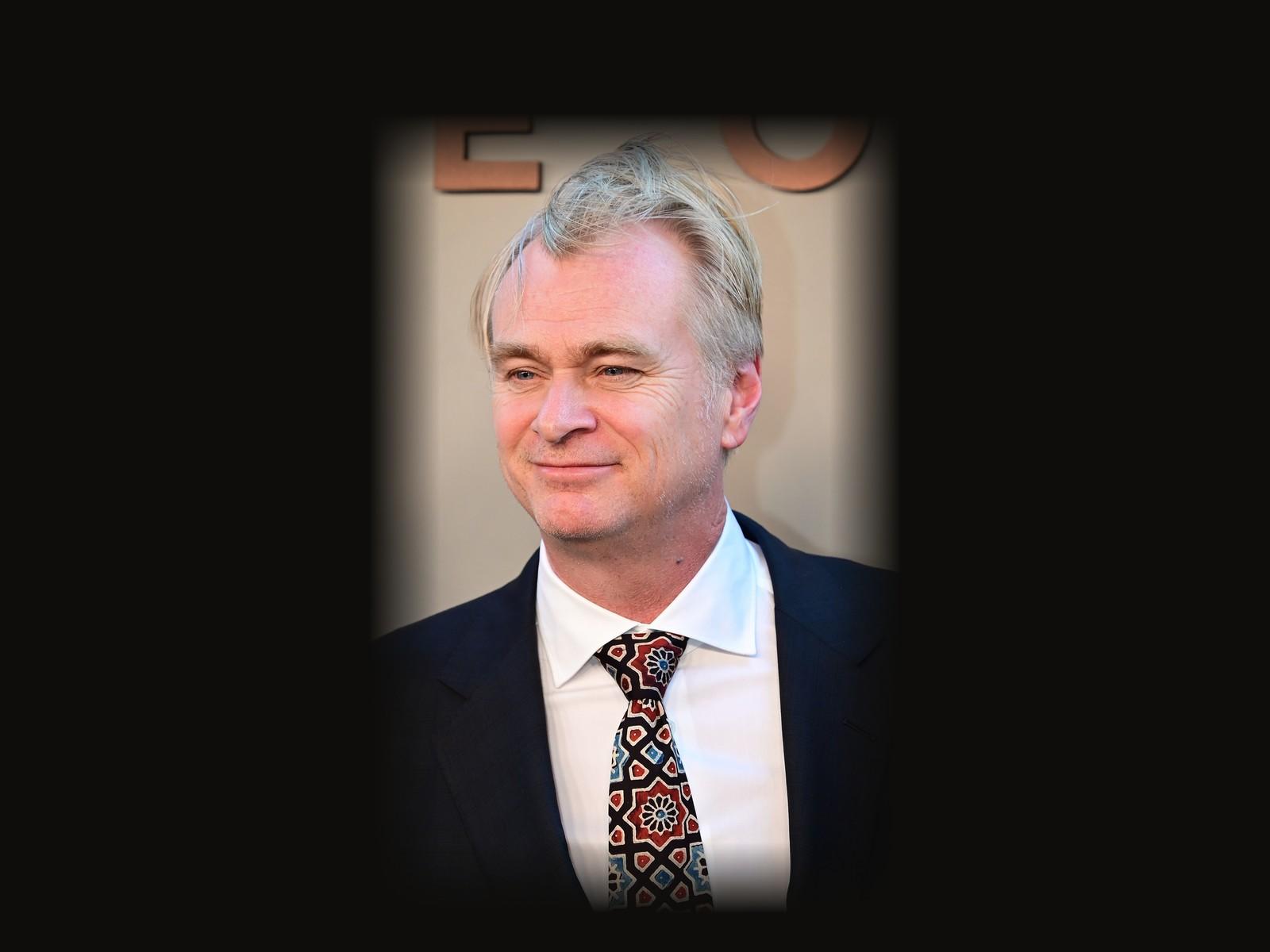
Nolan says The Odyssey's credits forbid AI training, but only Universal can enforce the line

Christopher Nolan says The Odyssey's end credits state the film cannot be used to train AI, and called it a first. Universal has used a similar warning since June 2025, and as he says, only the studio that owns the copyright can enforce it.

Drafted by The Generated · Filed by The Generated

Christopher Nolan is pleased that the end credits of The Odyssey say the film cannot be ingested, scraped or used to train generative AI, and he called it a first. A line like that is only as strong as whoever owns the film, and on almost every Hollywood movie that is the studio, not the director.

Nolan, president of the Directors Guild of America since fall 2025, made the point on the Hollywood Insiders podcast on Nov 7. "With very few exceptions in the guild, we are not the copyright holders of the films that we've worked on," he said. "It's down to the studios to do that." The guild's next push, in his words, is holding the studios to account for protecting those copyrights.

The first is less new than it sounds. Universal has put a "may not be used to train AI" warning at the end of its films' credits since How to Train Your Dragon in June 2025, followed by Jurassic World Rebirth and The Bad Guys 2, The Hollywood Reporter found. In some countries that warning cites a 2019 European Union copyright law that lets rights holders opt out of data mining. Nolan may mean a first for his own films or for the "ingested" wording; the exact text in The Odyssey's credits has not been published.

He also argued that AI companies leaning on fair use will lose in the long run, comparing training to music sampling, which the courts settled decades ago. That is his prediction, and the training cases are still being fought.

Our take: a credit line is a notice, not a lock. Whoever holds the copyright decides whether it is ever enforced, which is why the guild is now pressing the studios as well as the AI companies.

Source: Hollywood Insiders podcast via Deadline and TheWrap, Nov 7 and 8, 2026; The Hollywood Reporter, Aug 2025.

Provenance — Deadline: Nolan on DGA 'holding studios to account', anti-AI boilerplate in The Odyssey; TheWrap: Nolan previews DGA's next phase of AI protections · Status: verified: HIGH (Deadline + TheWrap)
Nolan says The Odyssey's credits forbid AI training
Note—004DevelopingFilm

Kamen Rider studio Toei is making backgrounds with AI under rules it has not published

Toei's CEO says the studio wrote generative AI rules and began using AI in film and video this year, starting with backgrounds. The rules are not public and no production has been named.

Drafted by The Generated · Filed by The Generated

Toei, the studio behind Kamen Rider and the Super Sentai shows that became Power Rangers, says it has written rules for generative AI and is already using it to make backgrounds for film and video. Nobody outside the company has seen those rules, and they matter most to the artists whose work they cover.

CEO Fumio Yoshimura said so in a keynote at the Taiwan Creative Content Fest in Taipei, reported by Variety on Nov 6 and Deadline on Nov 7. A dedicated team tests practical uses every day, Toei is building a tool to help junior producers estimate budgets, and back-office staff already use AI for routine work. He called AI a tool that expands what people can make rather than one that takes jobs, and said human creativity remains the core.

He named no titles. Posts on X have since tied the news to Kamen Rider, but in both outlets' accounts he did not single out any show. Toei has not said which productions used AI backgrounds, or whether the rules reach Toei Animation, a separate company in which it is a major shareholder.

Background painting is skilled work with its own artists on every production. Whether the rules require disclosure, credit or consent is what would show if the promise about jobs holds.

Our take: rules nobody can read protect the studio more than its artists. If AI backgrounds pass Toei's own test, publishing the rules and naming the work would prove it.

Source: Variety, Nov 6, 2026; Deadline, Nov 7, 2026.

Provenance — Variety: Toei frames generative AI rules, sets first games for 2027; Deadline: Toei CEO Fumio Yoshimura on global expansion, GenAI adoption and games · Status: verified: HIGH (Variety + Deadline, both from CEO Fumio Yoshimura at TCCF)
Toei is already making backgrounds with AI, under rules it has not published
Film

Elvis' rights holders sue Suno, arguing a blocked name is no defense if it sounds like him

Elvis' rights holders say a Tennessee law makes the voice, not the name, the test, so Suno's artist-name filter is no defense. Nothing is decided, and the key test went through lyrics, not the prompt.

Drafted by The Generated · Filed by The Generated
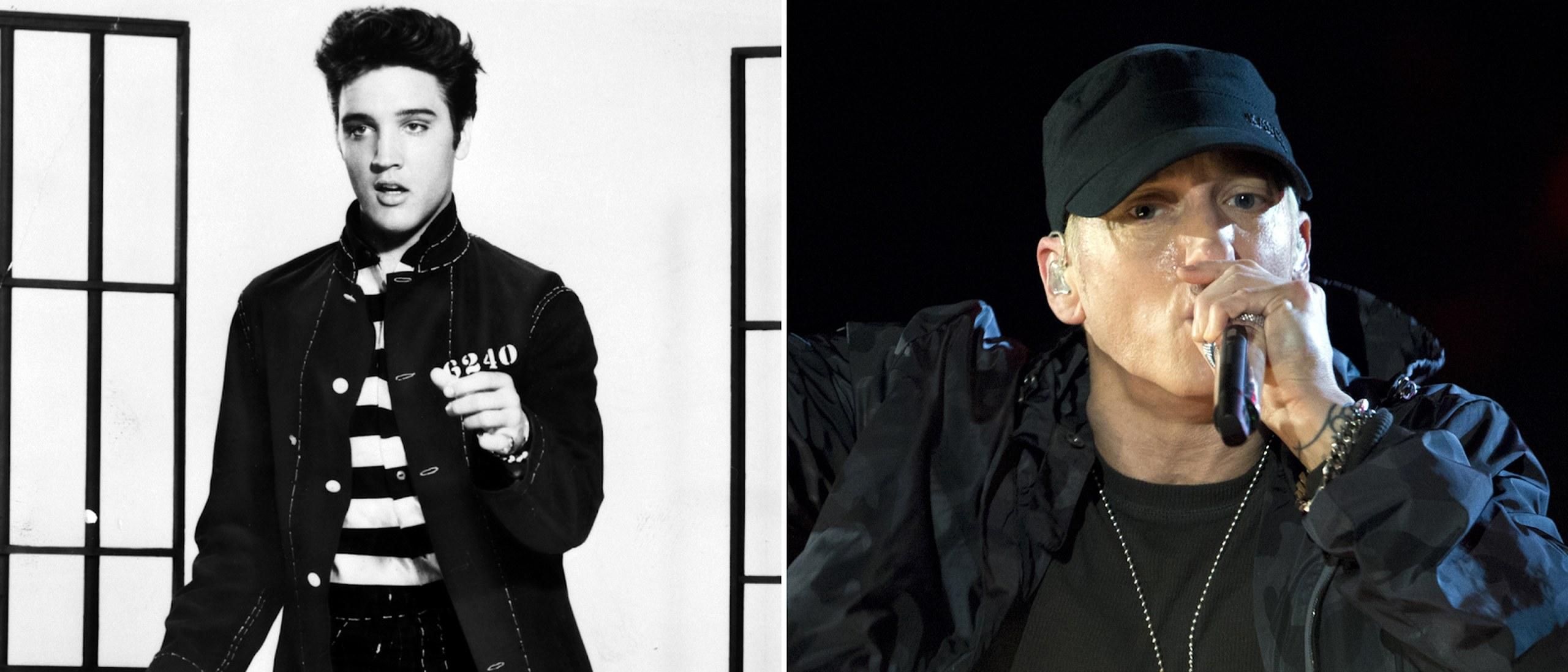
Side by side: a young Elvis Presley in a striped shirt and dark prison-number jacket from a 1957 Jailhouse Rock publicity photo, and Eminem in a black cap singing into a microphone on stage in 2014

Elvis Presley Enterprises and other Presley rights holders sued Suno on Friday 6 November in federal court in San Francisco, claiming its AI music generator copies Elvis' voice in breach of Tennessee's ELVIS Act. The same lawyers filed a second suit that day for Eminem's publisher, Eight Mile Style, over 269 songs it says Suno trained on.

The rule being tested reaches past Suno. Tennessee's law treats a voice as a sound that is "readily identifiable" as a particular person, real or simulated, so blocking an artist's name in the prompt may be no defense if the vocal still sounds like him. For anyone scoring a film or music video with a generator, the risk moves from what you typed to what the track sounds like. What the coverage missed is that the Presley complaint is written as a reply to Suno's own motion, filed three days earlier, to dismiss a similar case brought by Jason Isbell. It quotes that motion and calls its central statements "unequivocally false".

Keep reading — 6 min

That’s all of Film today.

4 notes, filed as the record moved.

Hollywood & Film — archive

Also filed

Models2 notes
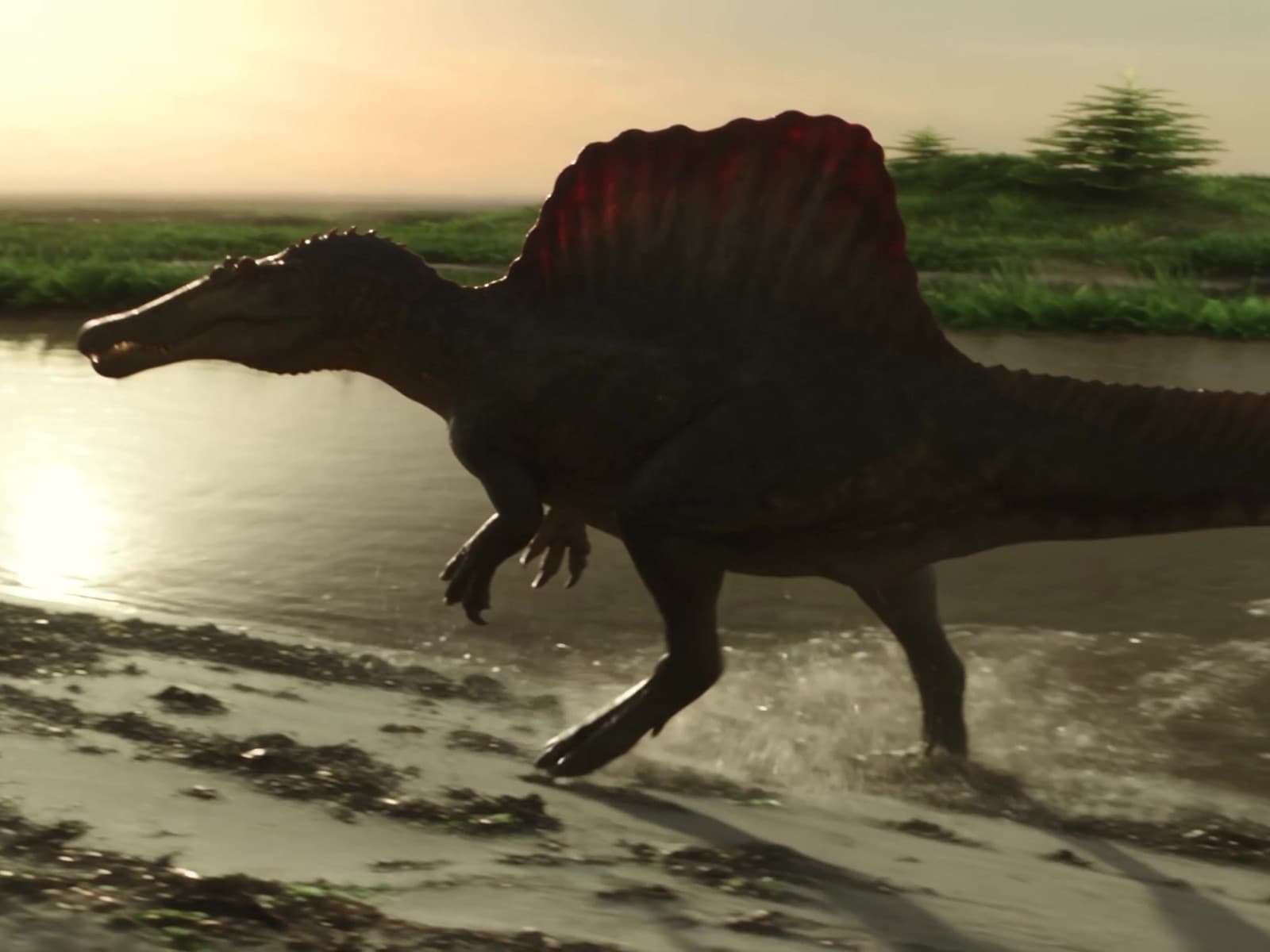
Higgsfield's one shot dinosaur film ran on a 448 word brief
Higgsfield's one prompt dinosaur documentary ran on a 448 word production brief

Higgsfield says Claude made its nearly 10 minute dinosaur documentary in one session with no outside editing. The prompt it published is a full production brief, and it has not said how many shots were redone or whether anyone reviewed the cut.

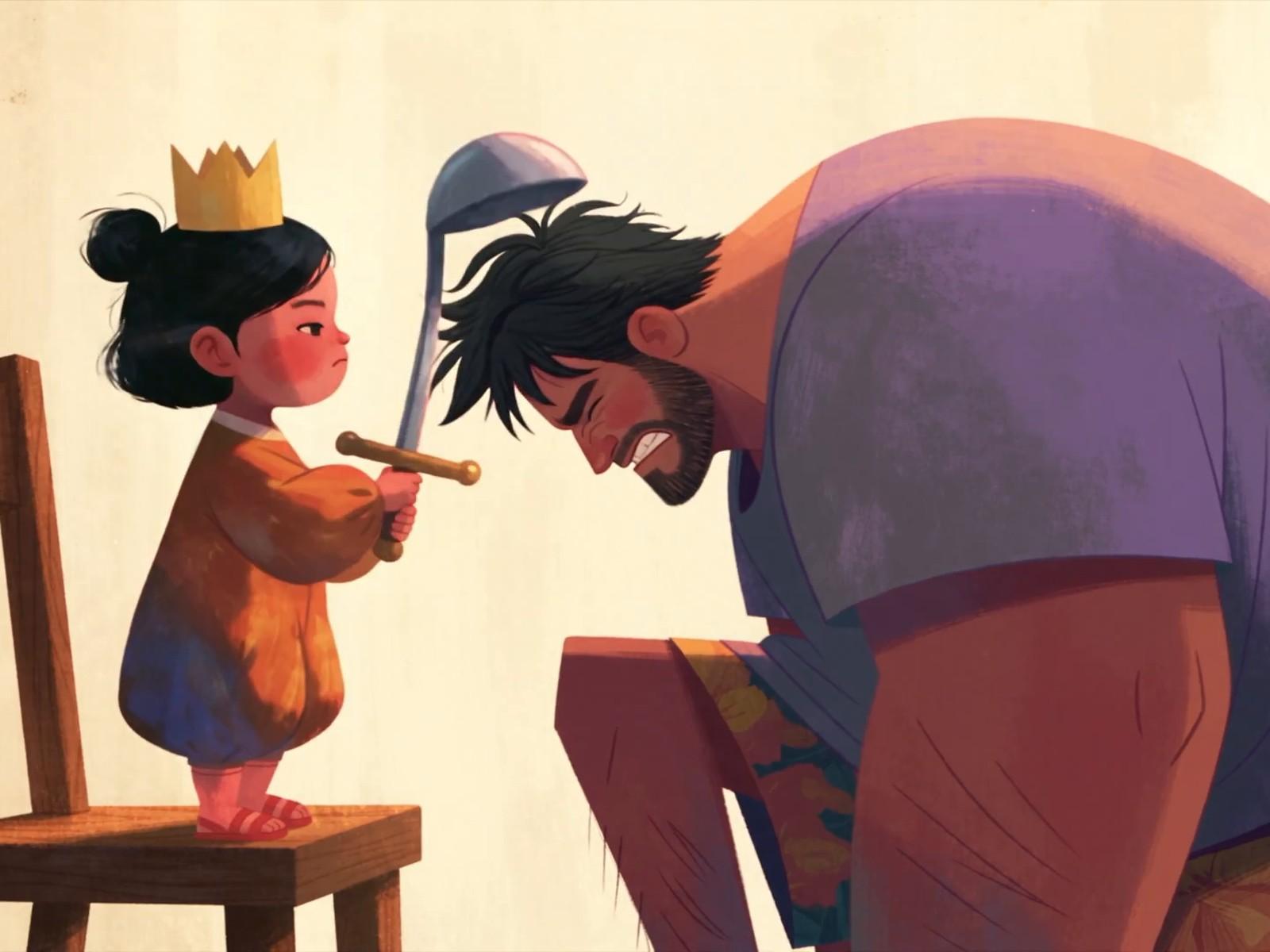
trungbep's Father and Daughter finds the warmth in a giant dad and a tiny girl

Episode 2 of an AI animated series by trungbep follows a giant, gentle dad and a tiny daughter through one sunlit day. Seedance 2.5 on CapCut is the only tool the post names.

Hyundai India is paying for a Diwali microdrama out of its social budget

Hyundai Motor India is funding a six-episode Diwali microdrama with Terribly Tiny Tales from its social budget and will judge it over 15 days. The budget and view counts are undisclosed, and nothing suggests AI was used.