Skip to content
Note—002DevelopingFilm

What The Arc's $38,000 AI credit bill leaves out

The Arc's makers say the five-episode AI series used about $38,000 in credits. Artlist supplied and valued them at an undisclosed rate, and none of the crew's wages are in the figure.

Drafted by The Generated · Filed by The Generated

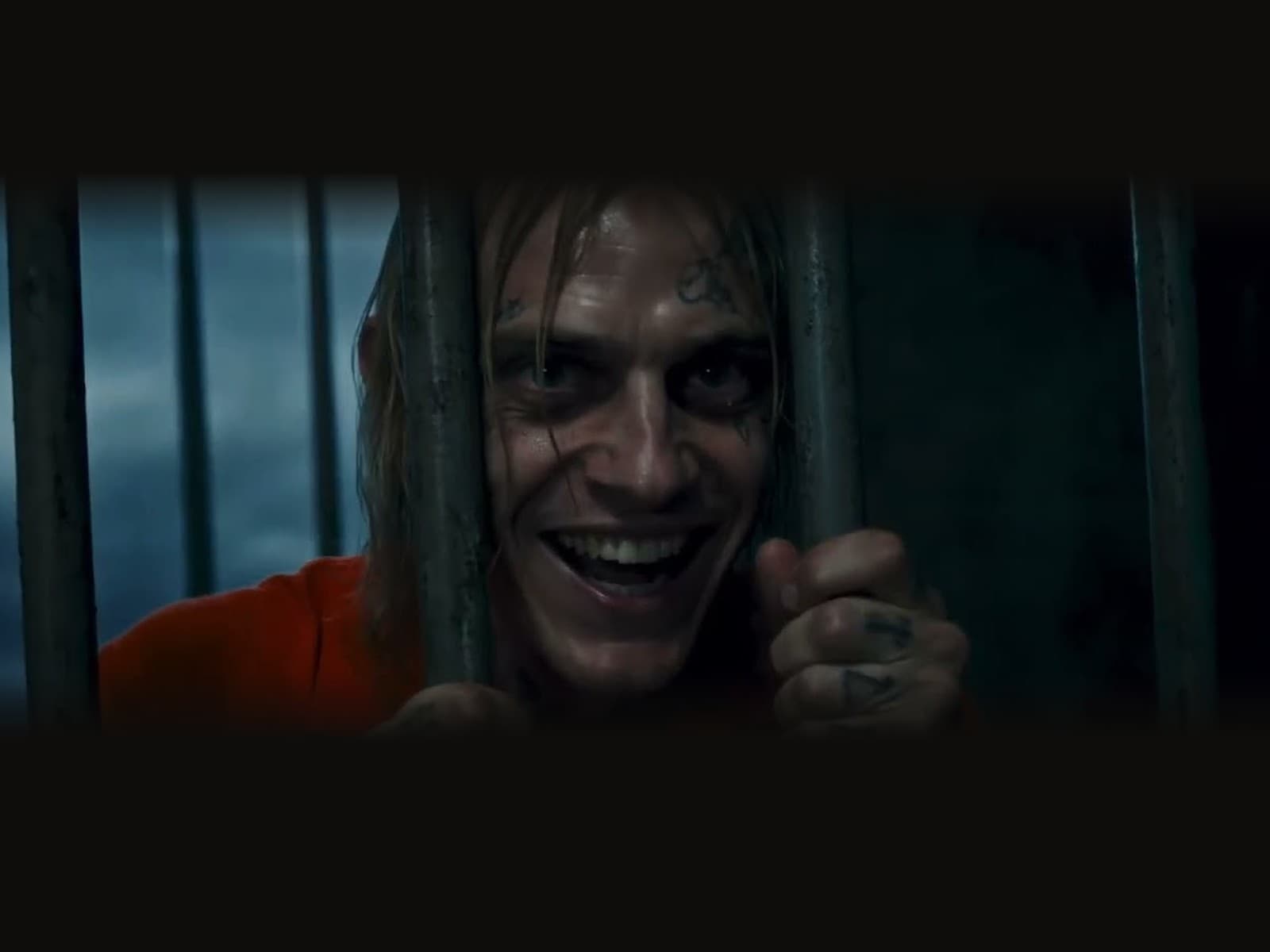
Five episodes, about 83 minutes, and roughly $38,000 in AI credits. That is the bill director Darin Stewart and executive producer Simone Ferretti gave Business Insider on Oct 11 for The Arc, a sci-fi series about death row inmates sent into historical simulations, made mostly with Seedance and Kling and no human actors.

The figure comes with conditions. Artlist supplied the credits, put its own value on them, and commissioned, hosts and markets the show, and Ferretti has worked with Artlist for three years. Nobody has said what rate turned those credits into dollars. The figure also carries no wages, since Stewart told Business Insider that "everyone on our team got paid their full day rates the same way they would on set." Two weeks earlier, on stage at AI Creator Day, he put the show at "$15,000 in Seedance credits," and the two totals have never been squared.

Divided by the runtime, it comes to about $460 of credits per finished minute, by our math. The much-quoted "8 to 10 generations per shot" is softer than it sounds: Stewart said one shot could require that many, which describes the hard end, not an average. The team kept costs down by drafting at low resolution and redoing only the keepers at full quality, and from episode three they split scripts into page blocks made in parallel.

What nobody has published is the generation log or the credit rate. Artlist green-lit two more series from the same team, so the next one could bring the first AI production budget anyone can check line by line.

Full story, with the cost table, via the

Sources: Business Insider, Oct 11, 2026; What's Trending and TheWrap on the Sept 29 AI Creator Day panel; Artlist.

Read the full article: thegenerated.com/stories/artlist-the-arc-ai-credits-cost-per-minute-20261019
Provenance — IndieWire — Can AI Make a Sci-Fi Series for $38,000?; Business Insider — Filmmakers made 'The Arc' with $38k in credits; Artlist blog — The Arc London premiere (24 Aug) · Status: verified: HIGH (Business Insider + IndieWire)
The Arc's $38,000 AI bill is about $460 a finished minute, before anyone is paid
LeadNote—001DevelopingFilm

Korea's AI features mostly aren't coming from its star directors

Most of the veteran Korean directors said to be moving into AI are making short films, while the AI features come from Steelay's makers, Climax Studio's AI artists and Kang Yun-sung. Steelay's budget is its producers' own figure, and no financier is named for Climax's films.

Drafted by The Generated · Filed by The Generated

Steelay, a 90-minute action film its producers say was built with AI tools in six months for under 1 billion won (about $700,000), opens in Korean cinemas on Wednesday. The same day, Yeon Sang-ho of Train to Busan opens Silnagwon, a thriller about a mother choosing between her returning son and an AI son, and that one was made the traditional way.

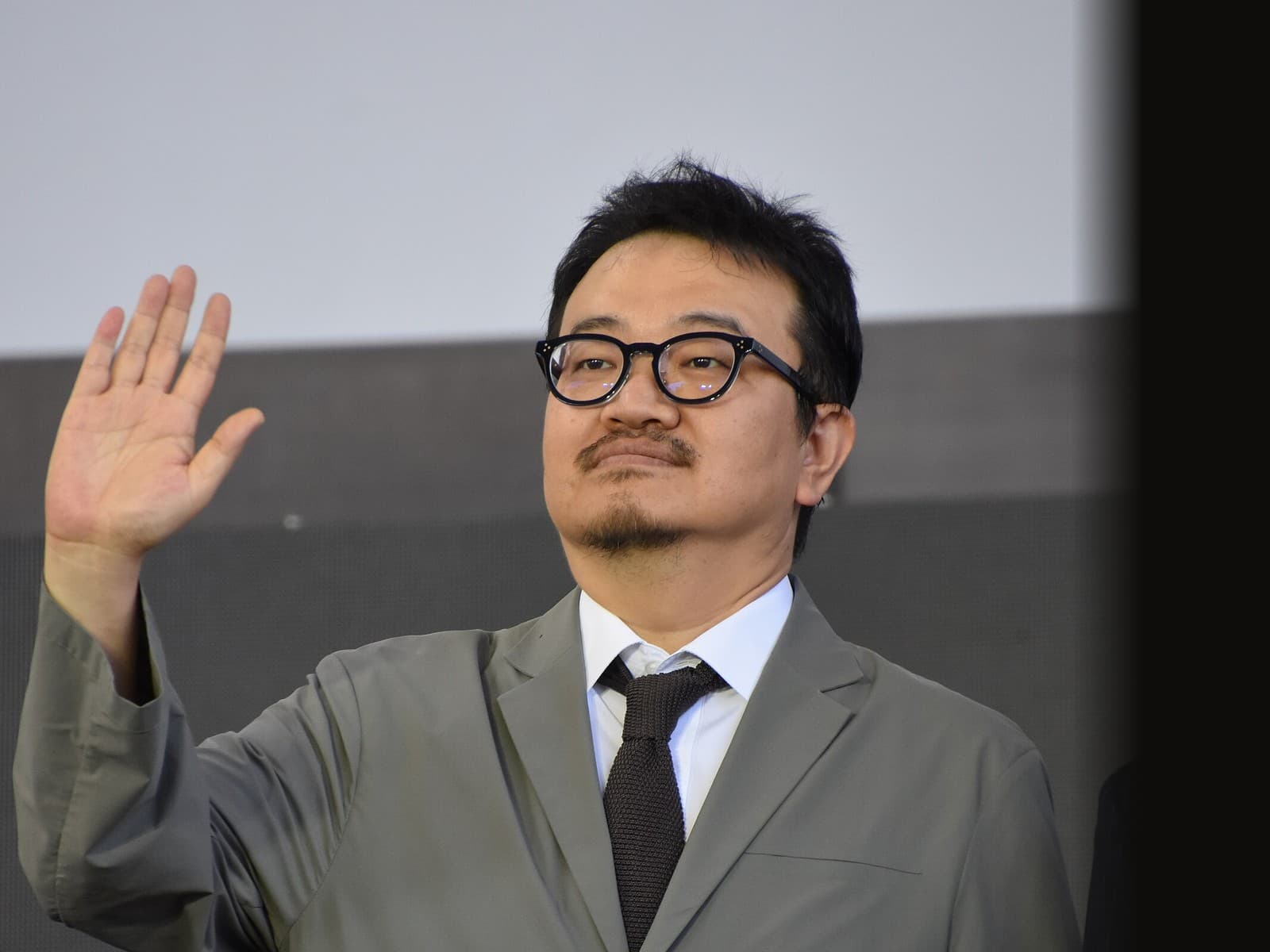
The timing has helped a story travel in English: that Korea's big-name directors are moving into AI features. We checked each name the Korea JoongAng Daily listed against Korean reporting and the festival programs. Kim Sung-soo, who made 12.12: The Day, showed part of Worm Train in Busan this month, and it is a short; his own line on it protects the director: "Even if the director doesn't shoot it himself, a Na Hong-jin film is a Na Hong-jin film." Shin Yeon-shick and Lee Myung-se are each making a short paired with an AI director, premiering Nov 27 in Seoul. Min Kyu-dong has no AI project on record, and his Busan talk was a defense of the director's job. Yeon's next film, Yeto, is live action; one newspaper says it uses AI, while Showbox's own announcement mentions only visual effects.

The AI features are coming from somewhere else. Steelay was directed by Seol Woo-in and Lee Han-wook. Climax Studio, the company behind Hellbound, handed its two AI features to directors it found among AI artists, after its head judged an AI film competition and decided the work had reached a commercial level. Among the veterans, The Outlaws director Kang Yun-sung is the exception: he plans Gulf of Aden for 2028, with the actors shot live and most of the sea battles generated.

Nobody has named a financier for Climax's films, and Steelay's budget is the producers' own figure. Its ticket sales from Wednesday are the first real test of whether audiences will pay for a film made mostly with AI tools.

Sources: Korea JoongAng Daily (Oct 17), Yonhap, Weekly Chosun and ZDNet Korea, October 2026.

Read the full article: thegenerated.com/stories/korea-steelay-silnagwon-ai-directors-20261019

Provenance — Korea JoongAng Daily — Korean directors bet on AI filmmaking · Status: single-source, reported
Korea's star directors are mostly making AI shorts, and the AI features come from elsewhere
Note—003DevelopingFilm

Collage will vet AI studios for Hollywood, and one backer already sells a client's film

Ex-UTA agent Dante DeSario's Collage will manage, price and invest in AI studios. Its client roster is unconfirmed by the studios, and AGC Studios, one of its backers, sells client Native Foreign's Critterz.

Drafted by The Generated · Filed by The Generated

Dante DeSario spent years at UTA packaging independent films. On Monday he and media investor Michael Lambert launched Collage, a company that will manage AI-native studios, vet and price their work for Hollywood buyers, and invest in some of them along the way. DeSario told Variety he wants to show buyers which studios make human-led work and "who to stay away from."

That pitch rests on trust, so the backer list matters. AGC Studios, named among Collage's investors and advisors, is also the worldwide sales company on Critterz, the feature from Collage client Native Foreign. Overlapping investors are normal at seed stage, and nobody has alleged anything improper. But a broker that vets suppliers is only as useful as its disclosures, and Collage has not said how much it raised or which studios it has already invested in.

The client list is softer than the launch suggests. The company statement Deadline ran names eight clients, while Variety's interview names four of them: Asteria, Native Foreign, Obsidian and Secret Level. As of Tuesday morning, none had announced Collage on its own site or X account, and nobody has said whether being a client means a commission, a retainer or equity.

Collage signs studios with staff and funding, not solo makers. What it changes for everyone else is the question buyers ask, which moves from whether AI is allowed to which AI shop they can trust.

Sources: Variety and Deadline, Oct 19, 2026.

Read the full article: thegenerated.com/stories/collage-ai-studios-management-desario-20261020

Provenance — Variety (EXCLUSIVE): Collage launches as a bridge between AI-first studios and Hollywood; Deadline: Ex-UTA agent Dante DeSario, investor Michael Lambert launch Collage · Status: verified: HIGH — two independent trades
Collage will vet AI studios for Hollywood, and one backer already sells a client's film
Film

Collage wants to tell Hollywood which AI studios to trust. Who vets Collage?

Collage, launched Monday by ex-UTA agent Dante DeSario and investor Michael Lambert, wants to be the trusted broker between AI-native studios and Hollywood. Its eight-client roster comes from the company statement and none of the studios has confirmed it, and its backers include AGC Studios, which sells client Native Foreign's Critterz.

Drafted by The Generated · Filed by The Generated
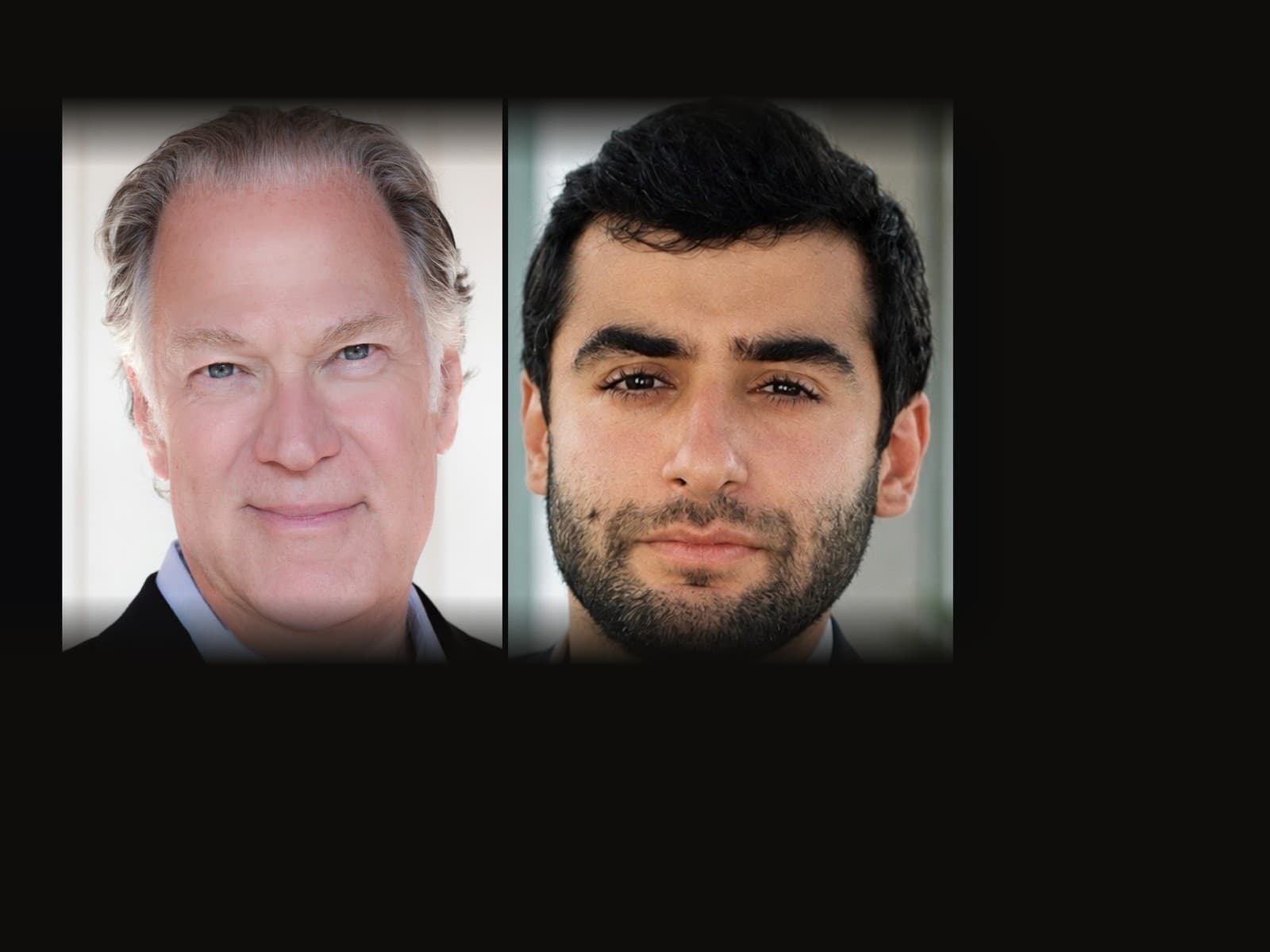
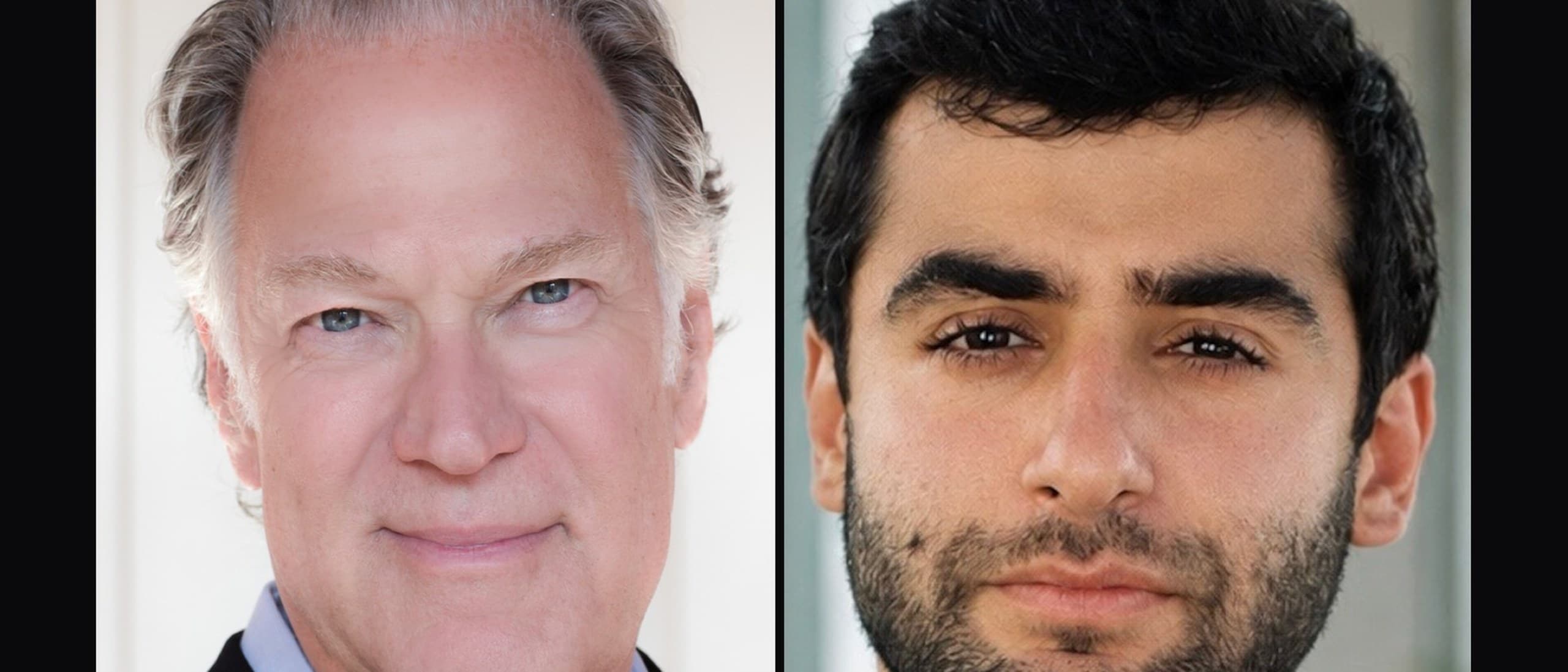
Headshots of Collage co-founders Michael Lambert and Dante DeSario, side by side

In February 2024, Dante DeSario, then an agent in UTA's independent film group, got his hands on an early demo of OpenAI's Sora. He went on to meet filmmakers who were playing with it, signed some of them, and watched them turn their experiments into production companies. Two and a half years later, with Sora itself switched off, those companies are the business he is building around.

On Monday DeSario and media investor Michael Lambert launched Collage, a management and investment company for AI-native studios. Variety ran the exclusive interview at 10:04am Pacific, and Deadline followed about four hours later with the company's statement. The pitch is easy to follow: Hollywood wants to buy AI production but does not know whom to trust, and the studios making it need someone who speaks guild, legal and studio. Collage says it will be that someone, and it will invest in some of those studios along the way.

Keep reading — 7 min

That’s all of Film.

20 Oct · 3 notes, filed as the record moved.

Hollywood & Film — archive

Also filed

Models1 note
Runway joins Anthropic's Claude Marketplace
Runway joins Claude Marketplace, so big companies can pay for AI video with their Anthropic commitment

Eligible enterprise customers can now put part of their Anthropic commitment toward Runway's video, image and audio tools. Neither company has said who qualifies, how much can go to Runway or whether Anthropic takes a cut.

Nemspy's Arcane fan piece gives Jinx a sunny Taco Tuesday lunch

Nemspy's 10-second clip is colorful, smooth and true to how Jinx moves in the show. It is an unofficial fan piece, first posted a couple of weeks ago and shared again on 20 Oct.

A director's shelved AXE pitch came back as a 48-shot AI spec
A director revived her shelved AXE pitch as an AI spec, and it doubles as a demo for her employer

Cassandra Brooksbank remade a 2021 AXE pitch as a 60-second AI spec on Absurd, where she now works. Her plan-first method transfers, but no cost was disclosed and the film shows no spec label on screen.