The BFI will pay eight UK indie filmmakers to test AI on their own films
The BFI has put about £650,000 of National Lottery money into two AI and virtual production programs. Falmouth's Lab to Slate is open now until 7 December, paying eight UK indie filmmakers to test AI on their own projects, but two of its three partners sell AI production and the license list is not published.
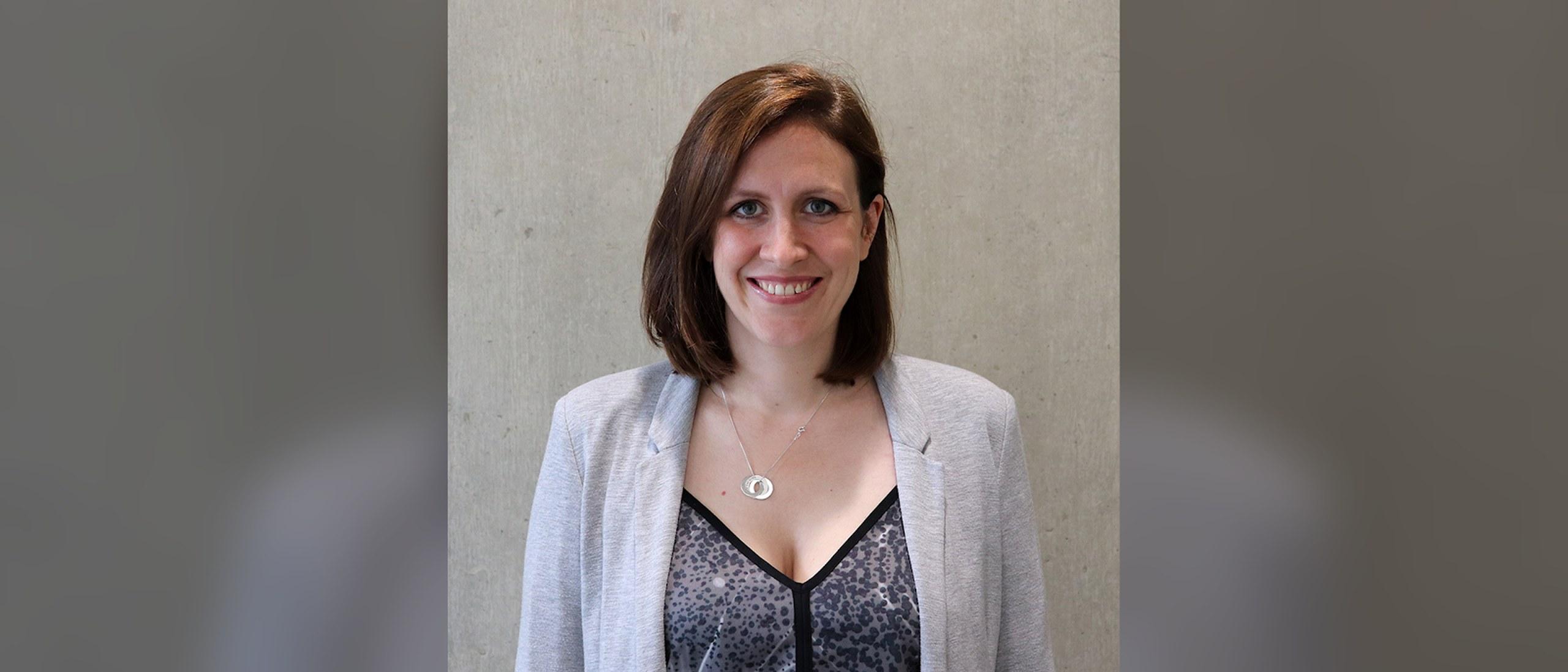
The BFI has awarded about £650,000 of National Lottery money to two AI and virtual production programs, it announced on Wednesday 11 November: £400,000 to the National Film and Television School and almost £250,000 to Falmouth University. Falmouth's Lab to Slate opened the same day and will pay eight UK independent filmmakers to test AI on their own projects.
The rule here reaches beyond two schools. Britain's public film funder is now paying independent filmmakers to try AI on real work, on condition that what they learn, failures included, is published openly. For a creator that means a shot at a paid seat, free tools and rights advice, with applications open until midday on Monday 7 December. What the coverage so far skipped is who teaches the AI side: two of the program's three delivery partners are commercial AI companies tied to the same entrepreneur, and the release never says which tools count as safe.
What the BFI funded
Both awards come from the BFI National Lottery Innovation Challenge Fund's sixth call, In Our Hands, which closed in April. The NFTS money funds research and training before backing 10 practitioners on proof-of-concept projects. The NFTS has not published a call, dates or eligibility yet, so nobody can apply to it today.
Falmouth's half is the one with a door open. Eight filmmakers each get a £2,500 a year bursary (£5,000 over two years), a travel bursary for at least one major industry event, a named Falmouth mentor, free AI tool licenses, technical mentoring, and workshops on IP, rights, business affairs and environmental impact. The guidelines say participants keep full creative control and ownership of their work, and that no experience of AI tools is needed. In return they give 24 months of development time, a reflective record of what worked, and consent for case studies that feed what Kingsley Marshall, Falmouth's head of film and television, calls "a free, open-access AI Production Playbook, which will say what doesn't work as well as what does".
Who can apply, and when
Applicants must live and work in the UK and be independent, above or below the line, with a scripted or documentary project in development. Micro and low budget makers are named. At least half the places go to under-represented groups, at least three quarters go outside London and the South East, and each of England, Scotland, Wales and Northern Ireland gets at least one. Applications can be written or a video of up to five minutes. Screen Cornwall runs an online briefing on Monday 23 November and decides by Friday 18 December, with the program starting on Friday 15 January 2027.
The numbers, checked
Screen Daily, the first outlet on the story, rounded Falmouth's award to £250,000 and the fund to £2.6m; the BFI release says almost £250,000 and £2.55m. Cash paid straight to Lab to Slate filmmakers comes to 8 times £5,000, or £40,000, about 16% of the Falmouth award by our arithmetic. How the rest splits between Falmouth, Screen Cornwall and the two AI partners is not published.
The weakest number is the BFI's own. Rishi Coupland, the BFI's executive director of industry development and innovation, said "as many as 30% of independent producers are already using AI as central to helping them make films". The release names no study, sample or date, and we could not find the figure in the BFI's published AI research. Treat it as Coupland's claim, not a BFI finding. Screen Daily also cut the end of that sentence, where he said the technology "carries risks and significant concerns as well as opportunities".
Who teaches the AI
Lab to Slate's delivery partners are Screen Cornwall, Charismatic Studio and CinePro Lab. Charismatic Studio is part of Guy Gadney's Charismatic Group and sells generative AI production. It claims savings of up to 90% on its homepage and told Broadcast over 50% at its February launch. CinePro Lab, whose AI production skills course every participant starts with, was co-founded by Allan Dodgeon and Gadney, and its paid masterclass teaches Veo, Kling, MidJourney, Suno and ElevenLabs. Marshall was principal investigator on the £1.04m Innovate UK Charismatic consortium with Channel 4, Aardman and UAL, announced in September 2024.
None of that is hidden. But a program sold as safe and responsible AI should say what safe means: which models are on the license list, whether they were trained on licensed data, and whether project material stays out of training. The guidelines say only that tools are chosen with participants and reviewed regularly.
What it means for AI creators
- A UK maker with a project in development can test paid tools on real work without paying for them, and with rights advice most indie productions never get.
- The selection criteria reward need and representation as much as polish, and no AI experience is required, so a skeptical filmmaker with a strong project is exactly who the panel says it wants.
- Ask the license question at the 23 November briefing. Knowing which tools you will be trained on, and who sells them, tells you whether the workflow you learn will still be yours after the bursary ends.
Our take
Paying filmmakers to fail in public is the most useful thing a funder has done with AI money in a while, and the promise to publish what doesn't work deserves credit. The test is whether the Playbook stays tool agnostic when the people teaching the tools also sell them. Name the license list now, and this becomes the model other funders copy.
Timeline
- Date: Wed 18 Sep 2024. Event: Charismatic consortium incl. Falmouth announces £1.04m Innovate UK funding; Source: Channel 4 press release
- Date: Mon 9 Feb 2026. Event: Charismatic Group launches Charismatic Studio, claims over 50% savings; Source: Broadcast, C21Media
- Date: Thu 9 Apr 2026. Event: BFI In Our Hands call closes; awards expected August; Source: BFI fund page
- Date: Wed 11 Nov 2026. Event: BFI announces NFTS (£400k) and Falmouth (almost £250k); Lab to Slate opens; Source: BFI release, Screen Cornwall
- Date: Mon 23 Nov 2026. Event: Lab to Slate online briefing, 1.30 to 2.30pm; Source: Screen Cornwall guidelines
- Date: Mon 7 Dec 2026. Event: Applications close at midday; Source: Screen Cornwall guidelines
- Date: Wed 16 Dec 2026. Event: Interviews; Source: Screen Cornwall guidelines
- Date: Fri 18 Dec 2026. Event: Decisions; Source: Screen Cornwall guidelines
- Date: Fri 15 Jan 2027. Event: Program starts; Source: Screen Cornwall guidelines
- Date: August 2028. Event: Program ends; Source: Screen Cornwall guidelines
Sources and what is unconfirmed: BFI press release, 11 Nov 2026; Screen Daily, 11 Nov 2026; Screen Cornwall Lab to Slate page and application guidelines; BFI Innovation Challenge Fund page and call guidelines; Charismatic Studio and CinePro Lab websites; Broadcast and C21Media, Feb 2026; Channel 4 release, Sep 2024. Unconfirmed: the source of the 30% figure, the tool license list, how the Falmouth award splits between partners, and any NFTS call details.