Animation voice actors are voting on AI dubbing consent, but nobody has said when it starts
Animation voice actors vote by 5pm Pacific on Thursday 29 October on a deal that puts AI replica dubbing behind the actor's consent. The contract text isn't drafted yet, no start date has been published, and the live-action term it copies requires consent without extra pay, only for productions from July 2027.
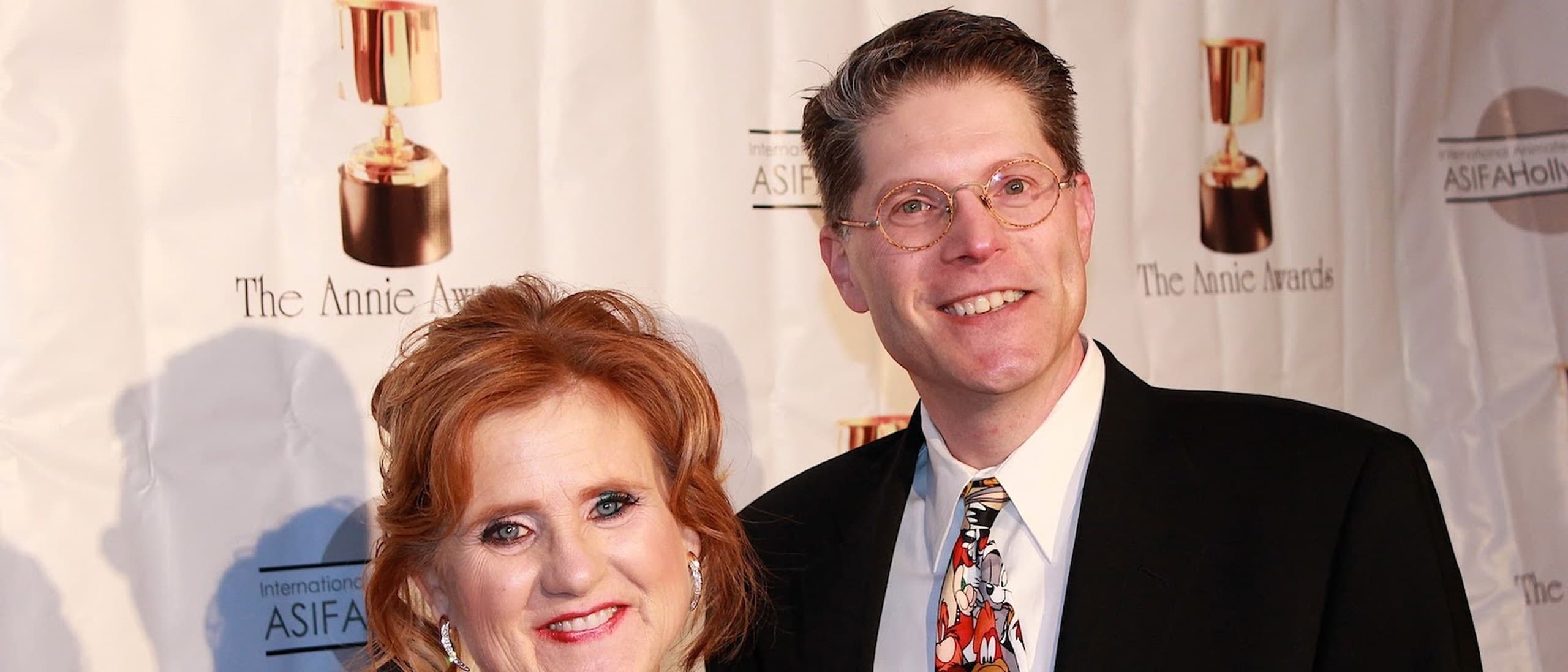
On Friday 9 October, Jessica Johnson shared her slides with SAG-AFTRA's animation voice actors and walked them through the contract they are now voting on. In the artificial intelligence section, the union's Deputy Chief Contracts Officer reached the change most likely to touch the AI dubbing business. Under the old deal, she said, "the producer could use your digital replica to dub your voice into a foreign language without any additional consent." The new one reverses that: "you would have to specifically consent to the use of your digital replica to dub your performance into another language."
The vote covers the 2026 Television Animation Agreement and its basic cable twin, negotiated with the studios' bargaining group, the AMPTP. The union's Executive Committee approved the deal unanimously on Monday 5 October and recommends a yes. Ballots must arrive by 5pm Pacific on Thursday 29 October. The union posted the briefing to YouTube on 13 October, where it had 317 views when we checked. Voice Over Herald, a voice-acting news site published by The Creator Realm, wrote up the dubbing change on Saturday 24 October. We transcribed the recording ourselves, and its quotes are accurate.
For anyone who makes, sells or buys AI localization, this is the part worth reading closely. On union animation, using an actor's digital replica to voice a foreign-language version is turning from a technical choice made in post into a signature the producer has to collect. The term itself is solid. What nobody has published is the date it starts to count.
What changes, and what was already there
Animation already had AI terms. The 2023 deal, ratified in March 2024 with 95.52 percent voting yes, defined a voice actor as a human, required consent before a producer could prompt a generative system with a performer's name, and paid residuals when a performance was digitally altered into a foreign language. Johnson told members the animation contract keeps those terms and adds everything from this year's live-action contract that applies to voice work. Anything that does, she said, "will come into the AI language here."
So the dubbing change is narrow and real. Residuals for a replica-dubbed foreign version were already owed under the 2023 terms, and they still are. What is new is that the producer now needs the actor's consent before the replica does the dubbing at all.
The date nobody has published
Johnson explained the default timing early in the briefing. Unless a term carries its own start date, everything takes effect on the Sunday after the AMPTP is told the members have ratified. She added that members would "see a couple of instances where there's a specific start date for a provision". She gave no date for the dubbing term, and neither has anyone else.
The live-action version it is copied from does have one, and it is not soon. We read the 2026 live-action Memorandum of Agreement, signed on 27 May, where the term sits in Section 64.C. It applies to "motion pictures commencing principal photography on or after July 1, 2027, for which a performer's contract is entered into on or after July 1, 2027." It also requires "the consent, but not the compensation" set out elsewhere in the section. In live action, then, the replica dub needs a yes from the performer but no new fee, and only on productions that start shooting from July 2027.
The same paragraph keeps a wide door open. It says no consent is needed for adjusting a performer's voice or lip movement to a foreign language by other means. Only the use of the digital replica is gated. Whether animation copies that split, and whether it copies the 2027 date, is unknown.
Members can't check, because the animation contract text doesn't exist yet. The union's own FAQ says the memorandum is still being drafted and that "there is no guarantee that it will be available during the voting period." Members are voting on a summary, a referendum booklet behind the member login (we have not read it) and the recorded briefing. If animation follows live action, the consent rule bites on new productions in mid-2027, not the Sunday after the count. That is our reading of the documents, and the union can settle it with one line before Thursday.
The rest of the AI package
The dubbing term arrives with the voice-related live-action gains. As Johnson described them, these are the main ones:
- A replica a producer builds from an ordinary recording session, with no special scan, still counts as an employment-based replica and is protected.
- "Scripted" now means only a script the actor received on or before their last recording date.
- A replica made independently of the actor's session now pays at least a session fee, plus residuals.
- Producers agree not to put a synthetic voice in a role a human would have played unless it brings significant additional value, and a replica counts as human performance in that test.
- A replica can't be used during a strike where consent would be required. In Johnson's words, "your digital replica can't be forced to scab for you."
- If a studio is paid to license performances to train a public, commercial generative AI system, it must notify the union and meet to discuss it, including possible payment. That is notice, with no consent or fee attached.
Arbitration damages for breaking the synthetics rules are no longer capped at what a human would have been paid. Johnson's pitch for why that matters was blunt: producers "really don't like spending money."
The money on the same ballot
Most members will weigh the AI terms next to the pay. Minimums rise 3 percent a year, compounded, with the first raise backdated to 5 July. The health plan contribution goes up a point from 6 September. Free, ad-supported streaming gets a high-budget animation category for the first time, at the animation threshold of $500,000 for a 30-minute program, or as Johnson put it, "five hundred thousand instead of over a million dollars." Ray Rodriguez, the union's Chief Contracts Officer, opened the briefing by saying the union "agreed to none of the AMPTP's proposals in this negotiation." The live-action deal these terms come from passed in June with 91.42 percent voting yes on a 19.25 percent turnout.
Who builds the consent step
The dubbing tools are moving faster than the paperwork. DittoDub made its Native 6 model, covering 109 languages, the default on its platform in early October (No Film School, 7 October), and Lipsie announced LipsieSync on 20 October, a hybrid in which a human voice actor performs the target-language lines before AI processing (Creative COW). Neither company is connected to the union deal. Both sell into the workflow this contract is about to put a signature on.
For voice actors, consent without a fee is still leverage. A performer who can refuse a replica dub can also ask for something before agreeing, though whether that turns into money is a negotiation, not a contract term. For producers and the people who build their tools, the practical points are already visible:
- Producers planning foreign versions of union animation should collect replica-dub consent in writing at contract stage, without waiting for a start date to be confirmed.
- Paperwork should keep the replica dub separate from other foreign-language voice edits, because live action treats the two differently.
- Dubbing vendors selling to studios will likely need a consent record tied to each performer and each replica, since that is what this term asks producers to prove.
- Independent and non-union productions aren't bound by the contract, but its terms are a fair guide to what working voice actors will expect from anyone using their replica.
Our take: the consent rule is worth having, and members are being asked to approve it before anyone can read it. The useful question for this week isn't whether an AI dub needs the actor's yes, since the studios have already agreed it does. It's when that yes starts to count, and SAG-AFTRA can answer it before the polls close on Thursday.
Timeline
- Date: Fri 22 Mar 2024. Event: 2023 TV animation deals ratified, 95.52 percent yes, with the first animation AI terms; Source: Deadline; Variety
- Date: Wed 27 May 2026. Event: 2026 live-action memorandum signed, with replica-dub consent in Section 64.C; Source: AMPTP memorandum PDF
- Date: Thu 4 Jun 2026. Event: Live-action deal ratified, 91.42 percent yes, 19.25 percent turnout; Source: SAG-AFTRA via trades
- Date: c. 17 Sep 2026. Event: Animation tentative agreement reached, details withheld; Source: TooMuchTV
- Date: Mon 5 Oct 2026. Event: Executive Committee approves unanimously and recommends a yes; Source: SAG-AFTRA release
- Date: Thu 8 Oct 2026. Event: Ballot postcards mailed; Source: SAG-AFTRA release
- Date: Fri 9 Oct 2026. Event: Online briefing for members (recording posted 13 Oct); Source: SAG-AFTRA YouTube
- Date: Sat 24 Oct 2026. Event: Voice Over Herald reports the dubbing consent term; Source: Voice Over Herald
- Date: Thu 29 Oct 2026. Event: Voting closes at 5pm Pacific; Source: Ballot portal
- Date: Thu 1 Jul 2027. Event: Live-action replica-dub consent starts for new productions; Source: Memorandum Section 64.C
Sources and what is unconfirmed: SAG-AFTRA's TV Animation Agreements informational meeting, recorded 9 October and posted to the union's YouTube channel (our transcript); the union's 2026 TV Animation Agreements page and FAQ, read 26 October; the ballot portal; the SAG-AFTRA release of 5 October as reprinted by First Comics News; the 2026 SAG-AFTRA and AMPTP live-action Memorandum of Agreement (amptp.org PDF), read in full on Section 64; Voice Over Herald (24 October); TooMuchTV (18 September); Deadline and Variety on the 2023 animation vote; No Film School (7 October); Creative COW (20 October). Unconfirmed: the start date of the animation dubbing term, the exact contract wording, whether non-replica voice edits for foreign versions stay consent-free in animation, and the result, due after Thursday.