A Yoruba AI feature sold its own tickets. The app couldn't keep up
Mysterious Tech Studio and Tanwa Hameed premiered Asiri Ilu Awon Osu on the Docuth rental app on 5 October, then apologized when buyers could not sign up, pay or watch. The studio calls it a surge, but no viewer or sales figure exists, and the 80% AI share and the "first" billing are the makers' own claims.
On Tuesday, a day after their film went on sale, the makers of Asiri Ilu Awon Osu posted an apology instead of a box-office boast. "To everyone at home and abroad who has tried to watch and could not get through, please do not be offended or discouraged," Mysterious Tech Studio told viewers, in a notice reported by The Punch. People had been unable to register, log in, pay, or in some cases watch a film they had already paid for. The studio said it was working with the streaming app to fix the problems and add capacity.
The film is a two-part, three-hour-plus Yoruba-language feature, released in English as "Mystery of Osu Land", made by the Ibadan studio with Yoruba actress and producer Tanwa Hameed. It premiered on Monday 5 October on Docuth, a pay-per-view app, and it is the most interesting kind of AI film story going: not a demo reel or a festival screener, but a small team charging real money for a feature in a language the global streamers barely serve. The generation held up well enough to reach launch night. What broke was the pipe.
Who made it, and how they sold it
Mysterious Tech Studio is based in Ibadan, in Oyo State, and its chief executive, Olarinde Abdul Rofeeq, has fronted the film's publicity since August. Hameed, who also works under the stage name Asake Omogbajumo, co-created and produced it and plays General Asake. The poster credits direction to Adebuk and Yusuff Ahmad. Credits posted by the team describe Adeniyi Bukola (Adebuk) as the live-action director and Yusuff Ahmad as the "virtual director", and the trailers credit the edit to Zeedman.
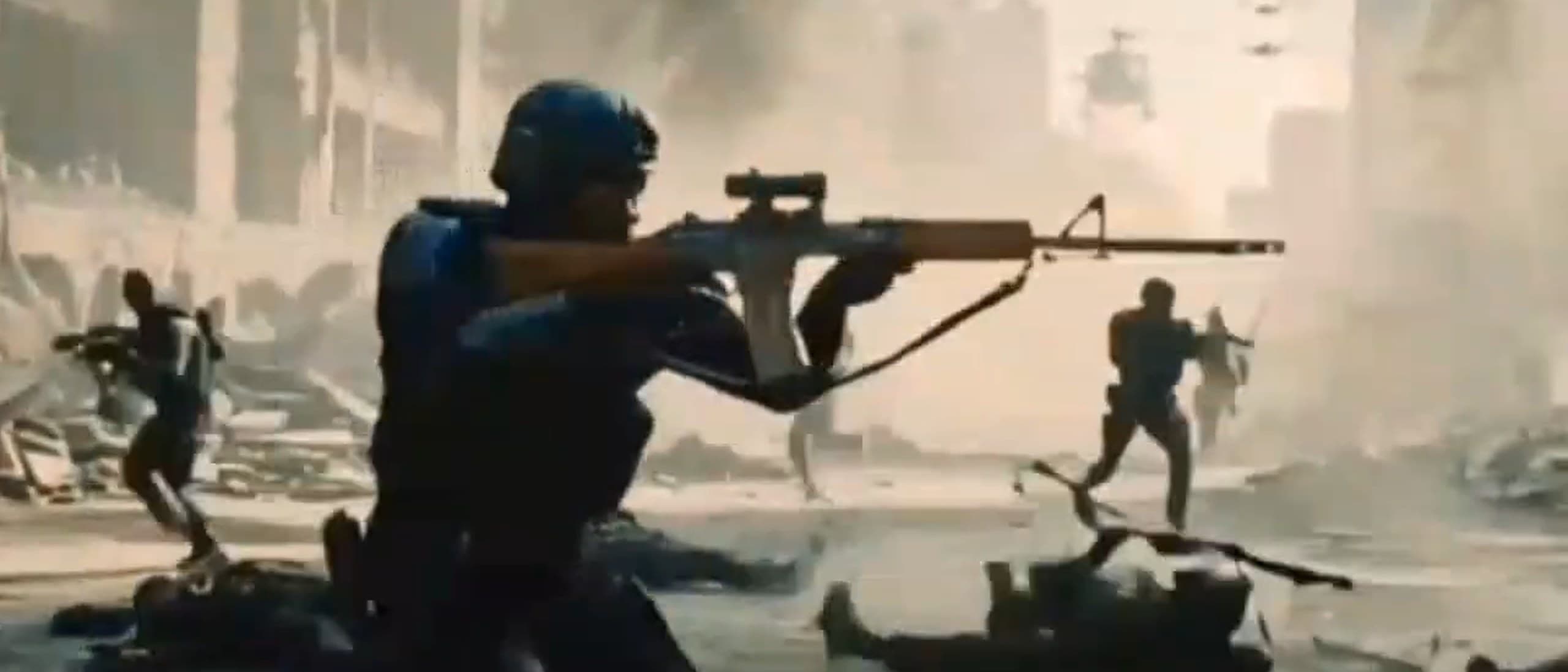
The makers say they produced it over three months, from June to September 2025, and that about 80% of the visuals were generated or assisted by AI, with live actors and human direction carrying the rest. They have never named a tool or model. The story itself, by their description, is about power, oppression and justice in a Yoruba setting, and the second trailer shows the scale they reached for, with armored engineers in a sci-fi lab, a commander at a tactical screen and soldiers in front of smoke.
Distribution is where the team made its boldest call. An August release spoke of "major streaming platforms"; instead the film went to Docuth, a South African rental app that pitches itself to filmmakers as a place to set your own price and keep your revenue, with each purchase opening a 24-hour viewing window. Posts from the team indexed by Google priced Part 1 at ₦1,500 and both parts at ₦3,000, roughly the cost of a cinema ticket. We have not seen those posts ourselves, and The Punch confirms only that the two parts were sold separately.
How big was the crowd?
The Punch's report says a surge of viewers overwhelmed Docuth. That is the studio's account, and nobody has published a number to go with it, not the studio, not Docuth and not the paper. The public figures we could find are small. Docuth's Android app showed 1K+ downloads on Google Play on Thursday morning, the studio's YouTube channel has 431 subscribers, and its two official trailers had 413 and 204 views. The studio's own promotional posts on X drew single-digit impressions each.
None of that rules out a rush of sign-ups on launch night, and a film like this can sell through WhatsApp groups and Facebook pages that no public counter sees. But a young app with a thousand-odd Android installs doesn't need a stampede to buckle. The honest version is that more people tried to buy the film at once than Docuth could handle, and we don't know how many that was. The studio's notice was gracious about it: "We know many people have made the effort to watch this film, and we do not take that support for granted."
What the trailers show
Because nobody outside the team has reviewed the film yet, the trailers are the only footage anyone can judge. We went through both frame by frame, without sound. The first, a minute and 53 seconds long, is almost entirely live-action, with actors in domestic interiors and a run of title cards. The second, at just over two minutes, is where the AI footage lives: the war and sci-fi set pieces sit beside conventional drama scenes, and one frame shows the image visibly breaking up.
So it's a genuine hybrid, with generated imagery building the world and live actors carrying the drama. On trailer screen time the AI shots look closer to a third than to 80%, though a trailer is a sales tool and the film may be weighted differently. Both trailers carry burned-in English and Arabic subtitles, which suggests the team is pitching well beyond Nigeria.
The "first" question
Every report on the film, including Tuesday's, bills it as the world's first Yoruba photorealistic AI feature. The narrow version is hard to dispute because few teams have tried, and the broad version doesn't hold. In September the studio said it had beaten Deep Frame, a US film that premiered in Los Angeles in February under its own "first photorealistic AI" billing, to completion. Released AI features predate both, including DreadClub: Vampire's Verdict in July 2024. Guinness World Records turned down the team's application on 27 January because the category it proposed doesn't exist, and the makers answered with a release: "The film exists. It was completed. And it was done first."
That argument matters less than the release itself. Almost every story about the film before this week, from Vanguard to NTA to VP Land, rewrote the same two studio releases. Monday was the first time the film met paying viewers, and the one public account of how that went is the studio's own.
Self-distribution works, if the platform does
In practice, for anyone making work this week, this is the useful part. A language market the big streamers ignore can now get a three-hour feature made by a small team, and a creator-first rental app lets that team set its own ticket price and keep the money. That's a real business model for Yoruba and for every other language audience the global streamers rarely commission for. The weak point here wasn't the footage, it was the checkout.
If you are taking a film to a rental or pay-per-view platform, a few questions are worth asking before launch night.
- Ask the platform for its peak load, meaning how many sign-ups, payments and simultaneous streams it has handled at once, and plan your premiere around the answer.
- Agree a refund or re-access policy in writing, so that buyers locked out on night one get a clear fix instead of a public apology.
- Test the full purchase path from a fresh phone in each market you are selling to, because local card and mobile-money payments fail in different ways.
- Stagger the release by time zone or by part if your audience is spread between home and the diaspora, as this one was.
- Keep your own count of tickets sold. A verified sales figure answers the "surge" question better than any press release.
Docuth hasn't said publicly whether the problems are fixed, and the studio hasn't released sales figures. The film is still listed for rent, and the next useful number in this story is how many people managed to watch it.
Timeline
- Date: Jun to Sep 2025. What happened: Production over three months; studio says completed September 2025; Source: Studio release via The Punch, Vanguard
- Date: Oct 2025. What happened: Guinness World Records application submitted; Source: Studio release
- Date: Tue 27 Jan 2026. What happened: Guinness declines; proposed category not established; Source: Studio release (Guinness has not commented)
- Date: Tue 10 Feb 2026. What happened: Deep Frame premieres in Los Angeles, billed as first photorealistic AI feature; Source: Mindatorium releases
- Date: Tue 18 Aug 2026. What happened: Completion event in Ibadan; team asks the Federal Government for AI policy and funding; Source: The Punch, Vanguard
- Date: Fri 11 Sep 2026. What happened: Studio claims it finished ahead of Deep Frame; Source: The Punch, MOAC TV
- Date: Thu 24 Sep 2026. What happened: First official trailer on YouTube; Source: YouTube
- Date: Mon 5 Oct 2026. What happened: Premiere on Docuth, pay-per-view, two parts sold separately; Source: Studio posts, The Punch
- Date: Tue 6 Oct 2026. What happened: Studio apologizes for sign-up, payment and playback failures; Source: The Punch, 8 Oct
Sources and what is unconfirmed: The Punch (8 Oct, 11 Sep and 19 Aug); Vanguard (19 Aug); NTA (26 Aug); MOAC TV (13 Sep); docuth.com and the Docuth listings on Google Play and the App Store; YouTube statistics for the studio channel and both trailers, read 8 Oct; frames from both official trailers, viewed without audio; a search of X for the studio's posts. No viewer, sales or revenue figure has been published. The 80% AI share, the ticket prices, the festival award NTA reported and the translation of the Yoruba title are unverified, no tool has been named by the makers, and we did not contact the studio or Docuth for this draft.